Celebrating Maghrebi Heritage: Arabian Horses and Moroccan Weddings
Welcome to this journey into the heart of Maghrebi culture, where we’ll be exploring two of the most iconic and beloved traditions: the majestic Arabian horses and the vibrant Moroccan weddings. As we delve into the history, customs, and celebrations of our shared heritage, we’ll discover the rich tapestry of stories, symbols, and rituals that define who we are as Maghrebis.
The Noble Arabian Horse: A Symbol of Pride and Heritage
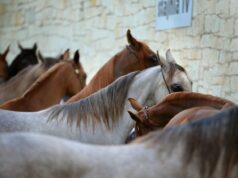
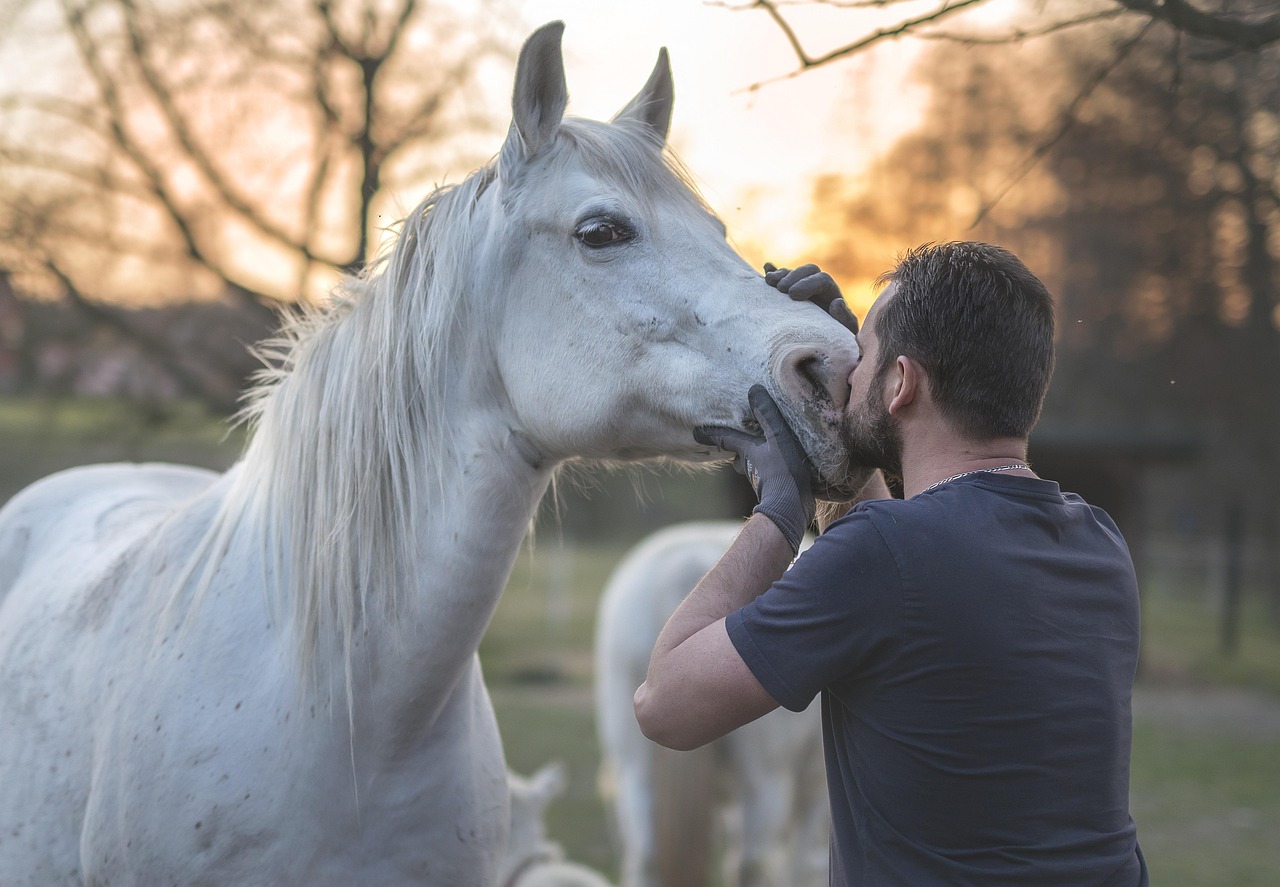
The Arabian horse is a timeless symbol of the Maghreb, revered for its majestic beauty, strength, and intelligence. With a history dating back over 4,500 years to the Arabian Peninsula, these magnificent creatures have played a significant role in wars, trade, and cultural events throughout the region.
As Arab conquerors introduced the breed to the Maghreb, the Arabian horse quickly became an integral part of life in North Africa. In modern times, Arabian horses continue to hold a special place in the hearts of Maghrebis, celebrated in festivals and competitions like the annual Salon International du Cheval d’Arabe in Tunisia and the Fes Festival of World Sacred Music in Morocco.
From the majestic stallions to the gentle mares, Arabian horses have captivated the imagination of people around the world. Their striking features, such as their straight legs, refined heads, and flowing manes, have made them a staple of Maghrebi art, literature, and music.
The Traditional Moroccan Wedding: A Dazzling Display of Culture and Artistry
A Moroccan wedding is a kaleidoscope of colors, sounds, and scents, a joyous celebration that brings together family, friends, and community. At the heart of this vibrant spectacle is the ‘koutoubia,’ a sumptuous feast featuring an array of Moroccan delicacies, from tangy tagines to sweet pastries.
The wedding ceremony itself is a masterclass in Moroccan artistry, with intricate embroidery, beading, and sequins adorning the bride’s attire. Her head is crowned with a ‘tassafin,’ a stunning red and gold headpiece that signifies her new status as a married woman.
The music and dance performances that accompany the feast are a testament to the rhythmic and expressive qualities of Moroccan culture. From the hypnotic rhythms of the darbuka to the whirling dervishes of the Gnawa, every note and movement is a celebration of the bride and groom’s union.
Arabian Horses in Moroccan Weddings: A Timeless Connection
The Arabian horse plays a significant role in Moroccan weddings, particularly in rural areas where the tradition of horseback riding is still alive and well. In many regions, the bride and groom are escorted to the wedding ceremony on Arabian horses, their majestic presence a symbol of the couple’s strength, unity, and heritage.
In other areas, the horses are used in traditional dance performances like the ‘Aïssawa’ dance, which originates from the Atlas Mountains. This mesmerizing spectacle features a group of men on Arabian horses, performing intricate maneuvers in unison while playing traditional Moroccan music on a variety of instruments.
The Arabian horse not only adds a touch of elegance and tradition to the wedding but also serves as a reminder of the strength and unity of the couple and their families. As the horses prance and dance, they embody the very essence of Maghrebi culture: beauty, pride, and heritage.
Preserving and Celebrating Our Heritage
As members of the Maghrebi diaspora, it is essential that we continue to celebrate and preserve our unique cultural heritage. By learning about and sharing our traditions, we ensure that future generations will have a deep understanding and appreciation of their roots.
Whether it’s through attending cultural events, participating in festivals, or simply sharing stories with friends and family, there are countless ways to honor our shared heritage. By embracing our differences and celebrating our commonalities, we can build a stronger, more resilient community that honors the traditions and customs of our ancestors.
Call to Action: Embrace, Learn, and Share
We invite you to join us in embracing, learning, and sharing our rich Maghrebi heritage. Whether it’s through exploring the history of the Arabian horse or delving into the traditions of a Moroccan wedding, there is always something new to discover and appreciate.
As we celebrate our shared heritage, we also acknowledge the challenges and complexities that come with preserving cultural traditions. We recognize that our heritage is not static, but rather a dynamic and evolving tapestry of stories, symbols, and rituals that require ongoing exploration, learning, and sharing.
So, let’s come together as a community and celebrate our shared heritage. Share your stories, your traditions, and your passion with the world. Together, we can ensure that the Maghrebi spirit continues to thrive for generations to come.
You might also enjoy
Related Articles
- Salma Tahri’s World: Arabian Horses, Modest Fashion, and Moroccan Heritage
- Stepping into Salma Tahri’s World: A Blend of Arabian Horses, Moroccan Heritage, and Modest Fashion
- Flying to the Middle East and North Africa with Miles: A Comprehensive Guide for the Maghrebi Diaspora
- Maximizing Travel to the Middle East and North Africa with Air Miles: A Guide for the Maghrebi Diaspora
- Embracing Maghrebi Traditions: A Guide to Celebrating Ramadan within the Diaspora in the US