Here is the improved HTML article:
A Taste of Home: Expanding Arab Comfort Food Across the US
From the vibrant souks of Casablanca to the winding streets of Tunis’ Medina, Arab comfort food is the heart and soul of the Maghreb. It’s not just a collection of recipes, but a feeling, a sense of home that many in the diaspora carry with them. Today, this rich culinary heritage is finding its way into kitchens across the United States, bringing warmth, joy, and a taste of home to a new generation of Arab Americans.
History
The roots of Arab comfort food stretch back centuries, nourishing bodies and souls from Tunisia to Morocco and Algeria. With the Arab diaspora, this food tradition traveled across the world, finding new homes in Europe and the United States. It’s a testament to the resilience of these communities, their ability to adapt and preserve their heritage despite the challenges of displacement. For many, these dishes evoke memories of family gatherings, special occasions, and everyday meals that brought people together.
Ingredients (serves 4)
As with any comfort food, the ingredients for these dishes are simple yet powerful. Fresh produce, quality spices, and an emphasis on authenticity make these dishes a feast for the senses. When shopping for ingredients, look for vibrant colors, enticing aromas, and textures that invite you to take a bite. The result is a culinary experience that’s both familiar and new, comforting and exciting.
- 1 kg boneless lamb shoulder — cut into 2-inch pieces
- 4 medium onions — finely chopped
- 4 cloves garlic — minced
- 2 tbsp tomato paste
- 2 tbsp olive oil
- 1 tsp paprika
- 1 tsp cumin
- 1 tsp coriander
- 1 tsp cinnamon
- Salt and black pepper to taste
- 400 g canned chickpeas — drained and rinsed
- 4 medium carrots — peeled and chopped
- 4 medium potatoes — peeled and chopped
- 2 medium turnips — peeled and quartered
- 400 g canned chickpeas — drained and rinsed
- 2 cinnamon sticks
- 1 bunch fresh coriander — chopped
- Juice of 2 lemons
- 1 cup chicken broth
Step-by-Step Instructions
Prep time: 30 minutes | Cook time: 2 hours | Difficulty: Medium
- Sear the lamb: heat olive oil in a large Dutch oven over medium-high heat. Season lamb pieces with salt, pepper, paprika, cumin, and coriander. Cook lamb in batches until browned on all sides, about 8 minutes per batch. Remove and set aside.
- Cook the onions and garlic: in the same pot, cook onions and garlic until soft and fragrant, about 5 minutes. Stir in tomato paste and cook for an additional 2 minutes.
- Add the lamb and vegetables: return the lamb to the pot, followed by carrots, potatoes, turnips, chickpeas, cinnamon sticks, and chicken broth. Cover and simmer for 1.5 hours, or until the lamb is tender and the vegetables are cooked through.
- Season and serve: add the juice of 2 lemons, salt, and pepper to taste. Garnish with fresh coriander and serve with warm flatbread.
Tips for Success
The secret to these dishes is in the slow cooking, which allows the flavors to develop and marry. Be patient, and your efforts will be rewarded with a comforting meal that tastes like home. Remember to taste as you go, adjusting the seasoning to your liking.
- For best results, use bone-in lamb for a richer flavor
- Do not rush the searing step — allow the lamb to brown evenly
- Cooking times may vary based on the cut of lamb used
- If needed, adjust the seasoning before serving
Regional Variations
Each region of the Maghreb has its own take on these dishes. In Tunisia, the lamb may be replaced with fish or seafood, while in Morocco, preserved lemons and olives are common additions. Experiment with different ingredients and spices to create your own unique variations.
Serving and Presentation
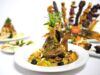
Serve these dishes family-style, with a communal platter of lamb, vegetables, and flatbread. Allow guests to help themselves, creating a warm and inviting atmosphere that celebrates this rich culinary heritage. Garnish with fresh herbs and a dollop of yogurt or tzatziki sauce for a pop of color and added flavor.
Conclusion
As the Arab diaspora grows, so too does the reach of our comfort food. By sharing these dishes with friends, family, and fellow expats, we can preserve and celebrate our heritage while connecting with the communities around us. So gather ’round the table, and let the warmth and flavors of the Maghreb fill your home.
You might also enjoy
Related Articles
- A Taste of Home: Authentic North African Chickpea Soup Recipe for Maghrebi Diaspora
- Celebrating Arab Comfort Food: Tunisian, Moroccan, and Algerian Recipes in the US
- Preserving and Promoting Maghrebi Culinary Heritage in the Diaspora: A Call to Action
- Ten Years On: Assessing Progress in Women’s Rights Post-Arab Spring – A Reflection for the Maghrebi Diaspora
- Exploring the Influence of Raï Music on Algerian Culture: A Deep Dive for the Maghrebi Diaspora