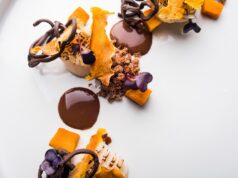
Archiving the Culinary Heritage of South Tunisia: A Journey with Malek Labidi
In the heart of Tunisia, nestled between the Sahara desert and the Mediterranean sea, lies a region rich in history, culture, and most importantly, culinary heritage. This article takes us on a journey through the land of south Tunisia, highlighting the efforts of culinary historian Malek Labidi in archiving and preserving the unique gastronomic traditions of this fascinating region. From the ancient Roman ruins to the bustling souks, the culinary heritage of south Tunisia is a tapestry woven from diverse cultural influences.
The Enigmatic Allure of South Tunisian Cuisine
South Tunisia, often overlooked in favor of the more popular north, is a region teeming with diverse culinary influences. From the Berber tribes of the Sahara to the Italian colonizers, each culture has left its indelible mark on the region’s cuisine. Malek Labidi, a passionate chef and historian, has dedicated his career to uncovering and celebrating these hidden culinary gems. His research has uncovered a wealth of traditional recipes, many of which were on the verge of being lost to time.
One such example is the dish known as ‘Couscous de Dghara,’ a labor-intensive dish made from slow-cooked lamb, chickpeas, and a unique blend of spices. This dish, once a staple of the region, was on the verge of being lost to time before Labidi’s tireless efforts to document and preserve it. The dish is a testament to the region’s rich culinary heritage, with each ingredient and cooking technique telling a story of the people who created it.
Another fascinating aspect of south Tunisian cuisine is its reliance on wild, foraged ingredients. Labidi’s research has uncovered a wealth of plants, fruits, and herbs used in traditional recipes, many of which have medicinal properties. This knowledge is not only essential for preserving the region’s culinary heritage but also for promoting sustainable and healthy eating practices.
The Quest to Document a Vanishing Past
Labidi’s journey began with a simple question: ‘Why have we forgotten our culinary roots?’ This question led him on a quest to uncover the stories and recipes that have been passed down through generations, often orally, and were on the verge of being lost. He embarked on a series of field trips to remote villages, speaking with elderly residents who still remembered the old ways. He also combed through dusty archives, unearthing documents and photographs that offered a glimpse into the region’s culinary past.
One such find was a 19th-century cookbook, handwritten in Arabic and filled with recipes that had been lost to time. This discovery was a testament to the importance of Labidi’s work and the richness of the culinary heritage he was trying to preserve. His findings have been meticulously documented and published in several books, providing a valuable resource for culinary enthusiasts and historians alike.
Preserving a Legacy: The South Tunisian Gastronomy Museum
In an effort to share his findings and preserve the region’s culinary heritage for future generations, Labidi established the South Tunisian Gastronomy Museum. The museum is a treasure trove of artifacts, photographs, and recipes, offering visitors a glimpse into the region’s rich gastronomic past. Visitors can explore the museum’s exhibits, which feature traditional cooking utensils, antique cookbooks, and even a recreated traditional kitchen.
The museum also serves as a platform for cooking demonstrations, workshops, and cultural events, aiming to promote awareness and appreciation of south Tunisian cuisine. Visitors can participate in hands-on cooking classes, where they can learn traditional cooking techniques and recipes. The museum has also partnered with local restaurants and food vendors to offer visitors a taste of the region’s unique culinary offerings.
Labidi’s work extends beyond the museum. He has published several books on south Tunisian cuisine, hosted cooking shows, and even started a culinary school to teach the next generation the skills they need to preserve their culinary heritage.
A Call to Action: Preserving Our Culinary Heritage
The work of Malek Labidi serves as a reminder of the importance of preserving our culinary heritage. Every dish, every ingredient, every cooking technique tells a story – a story of our past, our culture, and our identity. As members of the Maghrebi diaspora, we have a unique opportunity to support this work. Whether through visiting the South Tunisian Gastronomy Museum, purchasing Labidi’s books, or simply learning about and appreciating our culinary heritage, each action counts.
Let us join Malek Labidi in his quest to preserve the culinary heritage of south Tunisia, ensuring that these unique and fascinating traditions live on for future generations. By supporting his work, we can help preserve the region’s rich culinary legacy and ensure that it continues to inspire and delight people for generations to come.
You might also enjoy
Related Articles
- Celebrating Yennayer 2026: A Culinary Journey Through Traditional Amazigh Delicacies
- Harissa Chicken Tagine: A Journey Through Maghrebi Cuisine with MasterChef’s Dave Patera
- Preserving and Promoting Maghrebi Culinary Heritage in the Diaspora: A Call to Action
- Celebrating Yennayer 2026: A Culinary Journey into Traditional Amazigh Delicacies
- New Ramadan Delicacies with North African Flavors: A Culinary Journey for the Maghrebi Diaspora
Supporting Malek Labidi’s Work
- Visit the South Tunisian Gastronomy Museum: www.museegastronomiquedusud.com
- Purchase Malek Labidi’s books: Amazon Author Page
- Follow Malek Labidi on social media for updates on his work: