Here is the improved HTML article:
Unifying Couscous Recipes from Algeria, Tunisia, and Morocco for a Traditional Iftar
Ramadan brings families together across the Maghreb and diaspora as the call to prayer echoes through mosques and streets alike. A unifying symbol of this holy month is the beloved couscous, its steamy mounds piled high on communal plates in a riot of colour and flavour. This Iftar recipe brings together three versions from Algeria, Tunisia, and Morocco to create the ultimate Maghrebi feast.
History and Origins: A Rich Cultural Heritage
Couscous has been a staple of North African cuisine for over a thousand years, with origins traced back to the Berber people of the Maghreb. Each region has its own unique version: Moroccan couscous with seven vegetables and lamb is the most internationally known, while Algerian couscous tends to be spicier and Tunisian couscous often features fish on the coast. Traditionally served at Friday family lunches, it’s also central to weddings, Eid celebrations, and welcoming guests.
Ingredients (serves 8): A Harmonious Blend
- 350 g medium-grain couscous — not instant couscous if you can help it. The difference in texture and flavour is significant!
- 600 g bone-in lamb shoulder — cut into large chunks by your butcher (for Algerian version: 4 merguez sausages). You can also substitute with beef or chicken for a different twist.
- 3 medium carrots — peeled and halved. Use any combination of root vegetables you like!
- 3 medium courgettes — halved lengthways. Zucchini, bell peppers, and eggplant work beautifully in this dish.
- 2 medium turnips — peeled and quartered (for Tunisian version: 1 kg fresh fish, cut into pieces). Feel free to add other vegetables like potatoes or sweet potatoes!
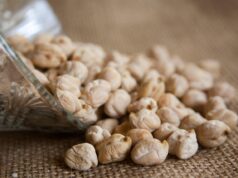
- 400 g canned chickpeas — drained and rinsed. These add a delightful creamy texture to the dish.
- 2 large tomatoes — quartered. Use ripe, juicy tomatoes for the best flavour.
- 1 large onion — finely chopped. Caramelizing the onions adds a depth of flavour that’s hard to replicate!
- 4 tbsp olive oil. The good stuff, please! You can also use avocado or grapeseed oil for a different taste.
- 3 tsp ras el hanout (for Algerian version: 2 tsp harissa + 1 tsp ras el hanout). This blend of spices is quintessential to North African cuisine. Feel free to adjust the ratio to suit your taste!
- 1 tsp ground coriander. The earthy warmth of this spice pairs beautifully with the lamb and vegetables.
- 1 tsp ground cumin. A staple in many Maghrebi dishes, cumin adds a rich, slightly smoky flavour.
- ½ tsp ground cinnamon. Yes, you read that right! Cinnamon is a surprising but delightful addition to this dish. Use the good stuff for best results!
- Salt and black pepper to taste. Adjust these according to your personal preference.
- Fresh coriander — a large handful, chopped. This fragrant herb adds a bright, citrusy note to the dish. Use it generously!
- Fresh parsley — a large handful, finely chopped (for Tunisian version: 1 bunch fresh cilantro, finely chopped). Fresh herbs are essential for this recipe! Choose your favourite or experiment with different varieties.
Step-by-Step Instructions: A Guide to Success
Prep time: 35 minutes | Cook time: 1 hour 30 minutes | Difficulty: Medium
- Brown the lamb and sausages (if using): heat olive oil in a large heavy pot over medium-high heat. Add the lamb pieces and brown on all sides, about 8 minutes total. If using merguez, sear them whole for 2 minutes on each side. Remove and set aside.
- Build the broth (for Algerian version): in the same pot, fry the onion until soft and golden, about 5 minutes. Add ras el hanout, cumin, coriander, cinnamon, salt, and pepper. Stir for 30 seconds until fragrant. Return the lamb, add 1.2 litres of water, harissa (if using), salt, and pepper. Bring to a boil, then reduce to a gentle simmer.
- Build the broth (for Tunisian version): in a large heavy pot, heat olive oil over medium-high heat. Sauté onion until golden, add garlic and cook 1 minute more. Stir in ras el hanout, cumin, coriander, cinnamon, salt, and pepper. Add fish pieces, cover, and cook until opaque, about 7 minutes. Add tomatoes, chickpeas, and water (900 ml), then bring to a boil.
- Add the vegetables in stages: after 30 minutes of simmering (for Algerian version) or when fish is cooked through (for Tunisian version), add carrots, turnips, and courgettes. Cook until tender, about 25 minutes.
- Prepare the couscous: place couscous in a large bowl, drizzle with 2 tbsp olive oil, and rub between your palms to coat each grain. Add 450 ml of warm salted water, stir, and leave to absorb 5 minutes. Rake with a fork to separate grains.
- Steam the couscous: place couscous in the top of the couscoussier or a fine-mesh colander over a large pot. Steam for 20 minutes (for Algerian version: steam for 15 minutes, then add merguez sausages and continue to cook until cooked through).
Tips for Success: Insider Secrets
The difference between good couscous and great couscous usually comes down to a few small details that experienced cooks know by instinct.
- Never stir couscous while it steams — lift and fluff gently with a fork only after removing from heat. You want to preserve the fluffy texture!
- If grains are clumping, add a tiny drizzle of olive oil and work it in with your fingertips. A little patience goes a long way here!
- The broth should be fragrant and slightly reduced — if it tastes thin, simmer uncovered 10 minutes before serving. This will intensify the flavours!
- For Ramadan: make a double batch of broth — it reheats beautifully and improves overnight. This will ensure you have plenty for Iftar gatherings.
- Leftovers keep 3 days in the fridge; store couscous and broth separately. You can also freeze for later use.
Regional Variations: Exploring the Flavours of the Maghreb
The Algerian version often adds merguez sausages and uses more harissa in the broth for a spicier profile. In Tunisia, couscous is frequently made with fish and capers on the coast. A quick weeknight version uses a whole rotisserie chicken instead of lamb — reduce the cooking time to 45 minutes total.
Serving and Presentation: The Finishing Touches
Serve the couscous mounded in a large communal dish with the vegetables arranged on top and the lamb pieces nestled in the centre (for Algerian version: merguez sausages can be kept whole or sliced). Ladle the broth into a separate bowl for guests to pour over as they like. Scatter fresh coriander (and parsley, if using) over the top. Harissa on the side is non-negotiable!
Conclusion: A Recipe for Unity
This Iftar couscous unites the flavours of Algeria, Tunisia, and Morocco in a single dish that brings families together as it has for generations. Share your photos with us on social media using the hashtag #UnifiedCouscous.
You might also enjoy
Related Articles
- Unifying Tradition: Celebrating Couscous Across Algeria, Tunisia and Morocco
- Ramadan Recipes from the Maghreb: Spiced Duck Breasts with Preserved Lemons and More
- The Booming Islamic Clothing Market in Algeria, Tunisia, and Morocco: A Deep Dive into Modest Fashion Trends
- Celebrating Algerian Cuisine, Traditions, and Culture in the Diaspora
- Celebrating Unity: Divided Maghreb Countries Gather Around the Couscous Festive Table