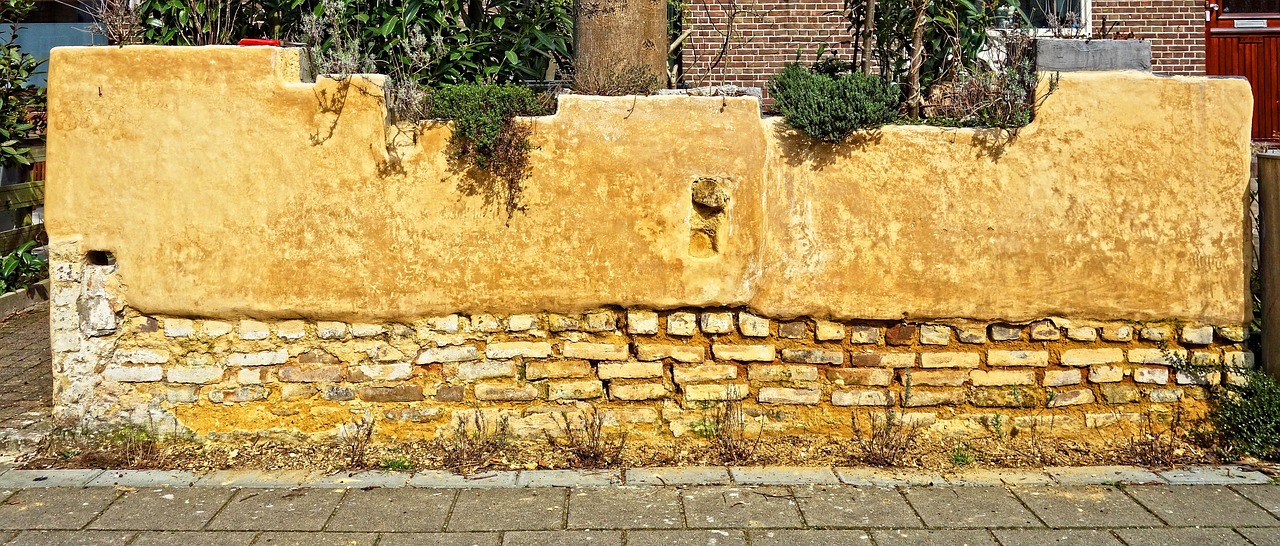
Trending Tadelakt: The Ancient Moroccan Technique Redefining Sustainable Design
In the heart of Maghrebi culture, where vibrant hues and intricate patterns dance together in harmony, lies a technique as timeless as it is revolutionary. Tadelakt, an age-old artisanal method of plastering, has resurfaced in contemporary design, capturing global attention with its unique aesthetic appeal and commitment to sustainability. This traditional Moroccan craft has been meticulously preserved through generations, only to be rediscovered by designers seeking an authentic, eco-friendly solution for modern interiors.
As we delve deeper into the world of Tadelakt, it becomes clear that this ancient technique is not just a nostalgic nod to the past but a groundbreaking approach to sustainable design. From its humble beginnings in Roman public baths to its current resurgence in contemporary architecture, Tadelakt has evolved into a distinctive art form characterized by its smooth, polished finish and striking earthy tones.
History and Evolution
Tadelakt can be traced back to Roman times, where it was used for waterproofing walls in public baths. The method then found its way to Morocco during the Almoravid dynasty, around the 11th century. Over time, Tadelakt evolved into a distinctive art form, characterized by its smooth, polished finish and striking earthy tones. As the centuries passed, Tadelakt remained a cornerstone of Moroccan architecture, gracing palaces, riads (traditional houses), and public buildings.
The technique fell out of favor during the colonial era but was revitalized in the mid-20th century by renowned architect Paul Soudan, who incorporated it into modern designs. Today, Tadelakt is experiencing a renaissance as designers worldwide embrace its sustainable ethos and one-of-a-kind aesthetic. The technique is no longer confined to Moroccan interiors; instead, it’s becoming a sought-after choice for eco-conscious enthusiasts looking to infuse their spaces with authentic charm.
Process and Materials
The Tadelakt process begins with a base layer of plaster made from lime, water, and fine earth. After the initial application dries, it is polished to create a smooth surface. The final step is the application of a sealing coat, traditionally a mixture of olive soap (savon noir) and water, which gives Tadelakt its signature waterproof finish.
The materials used in Tadelakt are locally sourced, making it an incredibly sustainable choice. Lime, the primary ingredient, is obtained from burning limestone, a process that emits less CO2 than modern cement production. Additionally, the absence of synthetic additives means fewer harmful chemicals in the environment. The technique’s simplicity and lack of sophisticated equipment contribute to its low carbon footprint, making Tadelakt an attractive alternative for architects and designers striving towards a more eco-friendly future.
Benefits and Advantages
Beyond its historical charm, Tadelakt offers numerous benefits that make it an appealing choice for contemporary design. The technique’s natural waterproofing properties eliminate the need for chemical sealants, making it a healthier choice for indoor spaces. Tadelakt is also highly durable, with proper maintenance, it can last for centuries, reducing waste and the need for frequent repairs.
Furthermore, its thermal mass properties help regulate indoor temperature, contributing to energy efficiency and cost savings. Lastly, Tadelakt’s unique aesthetic appeal lends itself to countless design possibilities. The technique can be adapted to various color palettes and textures, allowing it to seamlessly integrate into a wide range of interior styles.
Modern Applications
Tadelakt’s resurgence in contemporary design is evident in its growing use in modern interiors. From sleek minimalist spaces to bohemian chic lounges, Tadelakt walls serve as stunning centerpieces that pay homage to Moroccan heritage while maintaining a contemporary edge.
In addition to interior applications, Tadelakt is finding its way into bathrooms and kitchens, where its waterproof properties make it an ideal choice. Its use in these areas not only showcases the technique’s adaptability but also emphasizes its commitment to sustainable design practices.
As designers continue to explore innovative ways to incorporate Tadelakt into modern architecture, the technique’s potential is limitless. Whether you’re a design enthusiast or an architect seeking sustainable solutions, Tadelakt offers an opportunity to embrace Moroccan tradition while contributing to a greener future.
Call to Action
Whether you’re a design enthusiast or an architect seeking sustainable solutions, Tadelakt offers an opportunity to experience the fusion of ancient artistry with modern innovation. Explore the world of Tadelakt and discover how this traditional Moroccan technique can bring authenticity and sustainability to your design projects.
You might also enjoy
Related Articles
- Rediscovering Tadelakt: Morocco’s Ancient Sustainable Design Technique
- Trendsetting Tadelakt: The Sustainable Moroccan Wall Finish Technique Revolutionizing Modern Design
- Revitalizing Sustainable Design with Tadelakt Technique: A Call to Embrace Our Roots
- Discovering Soundous Moufakir’s Enchanting Moroccan-Inspired Home Decor: A Journey for Maghrebi Diaspora
- Exploring Ikea’s New Moroccan-Inspired Home Decor Line: A Fresh Connection to Our Cultural Roots