North African Football Dominance and Fan Culture: An Insight
Welcome, Maghrebi diaspora readers! In this article, we embark on a fascinating journey to explore the captivating world of North African football dominance and fan culture. From the bustling streets of Casablanca to the vibrant city squares of Algiers, the passion for football runs deep in our shared heritage, transcending borders and generations.
The Origins of North African Football Dominance
Football, or ‘football’, has been an integral part of North Africa’s cultural fabric since its introduction by British and French colonizers. The first formal match was played in Egypt in 1893, marking the beginning of an era that would see numerous North African teams rise to prominence. This marked the start of a love affair with the beautiful game that would only grow stronger over time.
North African countries have consistently excelled in football at both regional and international levels. Countries like Morocco, Tunisia, and Algeria have secured multiple championships in Africa and have even qualified for the World Cup on several occasions. This impressive track record is a testament to the region’s commitment to nurturing talent from a young age.
One key factor behind this success is the investment in youth development programs and grassroots football initiatives. The commitment to nurturing talent from a young age has resulted in a steady stream of gifted players representing their countries on the international stage. This emphasis on youth development has allowed North African teams to punch above their weight, consistently producing surprises and upsets that leave fans around the world in awe.
The Fervor of North African Football Fans
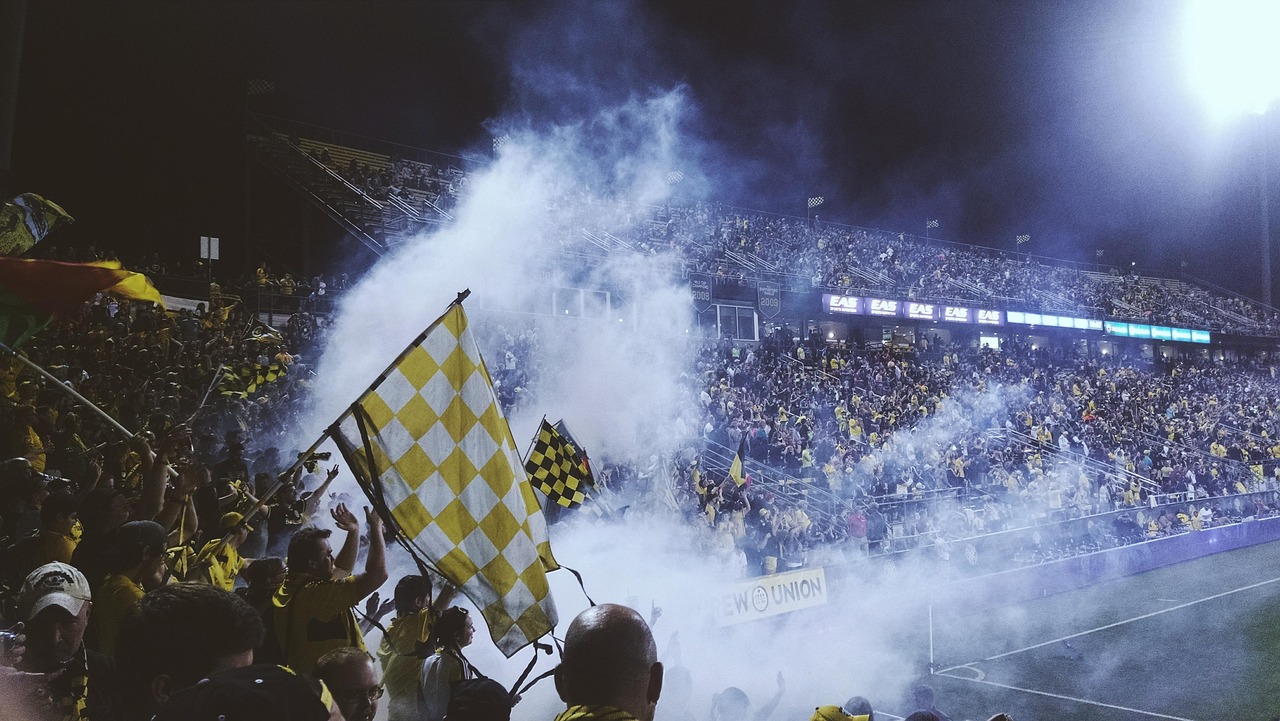
North African football supporters are renowned for their unwavering passion and enthusiasm. The derby between Al-Ahly and Zamalek in Egypt, or the Clásico de los Alaouites in Morocco, are testaments to the deep-rooted rivalries that fuel these emotional contests. The atmosphere is electric, with fans from all walks of life coming together to cheer on their favorite teams.
In addition to the local derbies, international matches also see passionate crowds flocking to stadiums and public squares to support their national teams. This fervor extends beyond North Africa, as Maghrebi diaspora communities around the world gather in solidarity to cheer on their home teams. Whether they’re gathered in cramped cafes or sprawling stadiums, fans from all corners of the globe share a deep connection with the beautiful game.
The camaraderie among supporters often transcends football, creating a sense of unity and shared identity within the Maghrebi community both at home and abroad. This collective passion has created a lasting bond between fans, one that is not easily broken by distance or time zones.
The Impact of Football on North African Societies
Football has had a profound impact on North African societies. Its popularity has led to increased media attention, economic growth, and even political change. The sport serves as a powerful platform for expression, as demonstrated by the 2010 Tunisian Revolution, which was partly inspired by a self-immolation attempt by a street vendor protesting against police harassment during a football match.
Furthermore, football has fostered social integration and unity within North African communities. By providing a shared interest and a common platform for interaction, the sport has helped bridge cultural and religious divides. Football has become a language that transcends borders and backgrounds, bringing people together in a shared love of the game.
Additionally, football has also served as an avenue for young people to channel their energy and ambitions, offering them role models and opportunities for advancement. The sport provides a unique platform for self-expression, allowing youngsters to showcase their skills and talents on the pitch.
Challenges Facing North African Football
While North African football has experienced significant successes, it is not without its challenges. Corruption, political interference, and the lack of adequate infrastructure are just a few issues that continue to plague the region’s football landscape.
Moreover, the sport remains male-dominated, with minimal opportunities for women to participate at professional levels. Efforts to promote gender equality in football are ongoing but face numerous obstacles, including societal norms and a lack of resources. However, there is growing optimism that positive change will be driven by grassroots initiatives, increased media coverage, and the continued support of dedicated fans both at home and abroad.
Despite these challenges, North African football continues to thrive, with fans from all corners of the globe coming together to celebrate their shared passion. Whether they’re gathered in cramped cafes or sprawling stadiums, fans share a deep connection with the beautiful game that transcends borders and time zones.
A Call to Action
As members of the Maghrebi diaspora, we have a unique opportunity to contribute to the growth and development of North African football. Whether through supporting local teams, advocating for gender equality, or encouraging young people to pursue their dreams on the pitch, each of us can play a part in shaping the future of our shared passion.
Together, let’s celebrate the vibrant culture and rich history of North African football while working towards a brighter and more inclusive future for all. Whether we’re gathered around the TV or cheering on our favorite teams from the stands, we are all part of a larger community that is united by its love of the beautiful game.
You might also enjoy
Related Articles
- Empowering the Amazigh Minorities in North Africa: A Guide for the Maghrebi Diaspora
- Embracing Amazigh Culture in Family Life: A Journey for Maghrebi Diaspora
- Unveiling Al-Maghreb in Underground Atlanta: A New Cultural Haven for the Maghrebi Diaspora
- Celebrating the Richness of Middle Eastern and North African Culture at OC MENA Festival
- Unveiling the Judeo-Amazigh Cultural Substratum: An Integrated Analysis of North African Ethno-Religious Synthesis