Celebrating Ramadan: Tunisian Eid Cookies Recipe and Traditions
Introduction
The holy month of Ramadan is a time for joy, unity, and reflection. As the Maghrebi diaspora communities around the world come together to celebrate Eid al-Fitr, one delicacy stands out – Tunisian Eid cookies. These scrumptious treats have been an integral part of the Maghrebi culture for generations, connecting families and communities during this special time.
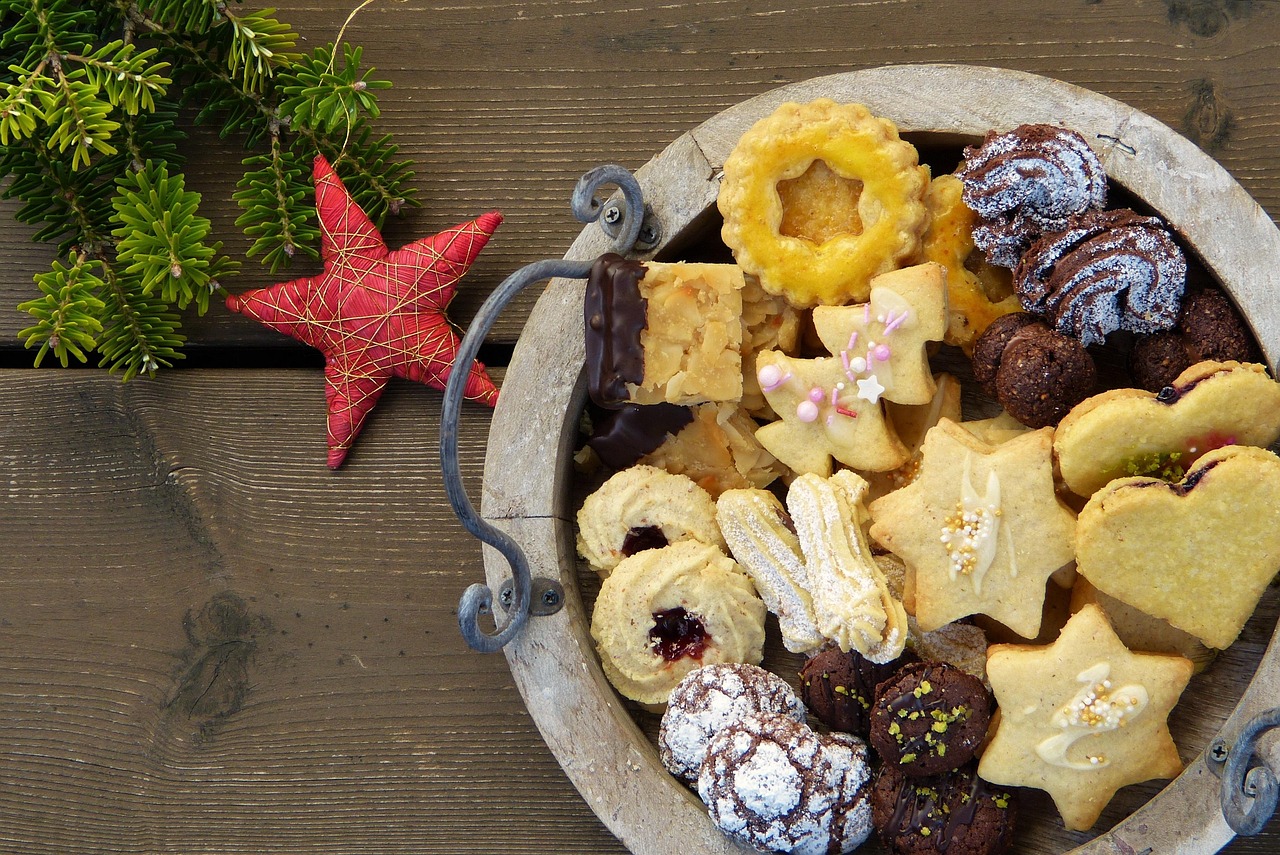
Tunisian Eid cookies, also known as Khobz el Ait, are a quintessential part of the Ramadan celebration. Their rich history, unique recipe, and cherished traditions make them an essential aspect of Maghrebi culture. In this article, we will delve into the origins of these cookies, their recipe, and the customs that make them such a beloved part of Eid al-Fitr celebrations.
The Origins of Tunisian Eid Cookies
Tunisian Eid cookies have roots dating back to ancient times. Their origins can be traced to Berber and Roman influences, which brought together different culinary traditions in modern-day Tunisia. One of the earliest records of these cookies comes from the writings of Ibn Khaldun, a famous historian and philosopher from the medieval Islamic Golden Age.
In his Book of the Muqaddimah (1377), he described a sweet bread called khobz al-‘it or khobz el Ait, which was consumed during religious celebrations. Over time, these cookies evolved and became a symbol of unity and generosity, as families would bake them in large quantities to share with neighbors and friends.
Today, Tunisian Eid cookies continue to play an essential role in the Maghrebi communities’ Ramadan traditions. They are often baked in large quantities to distribute among loved ones, fostering a sense of harmony and goodwill during the Eid al-Fitr celebrations.
Ingredients and Preparation
Tunisian Eid cookies are made from simple yet flavorful ingredients such as semolina flour, sugar, butter, eggs, orange blossom water, and almonds. Here’s a traditional recipe to help you recreate these delicious treats:
Ingredients
- 2 cups semolina flour
- 1 cup granulated sugar
- 1/2 cup unsalted butter (softened)
- 4 large eggs, separated
- 1 teaspoon orange blossom water
- 1 cup almonds, finely ground
Preparation
- In a large mixing bowl, combine semolina flour and sugar. Mix until well combined.
- Add softened butter and mix until the mixture resembles coarse crumbs.
- Beat egg yolks and orange blossom water together in a separate bowl. Add to the semolina mixture and mix well.
- In another bowl, beat the egg whites until stiff peaks form. Gradually fold the egg whites into the semolina mixture until well combined.
- Stir in the ground almonds.
- Shape the dough into small balls or crescents and place them on a baking sheet lined with parchment paper.
- Bake in a preheated oven at 350°F (175°C) for about 20 minutes, or until the cookies are golden brown.
- Allow the cookies to cool before serving.
Eid Cookies and Gift-Giving
Gift-giving is an essential aspect of the Ramadan celebration, and Tunisian Eid cookies are often used as thoughtful presents for loved ones. Traditionally, these cookies were given to neighbors, friends, and family members as a sign of respect and generosity.
Today, many families continue this tradition by baking large quantities of cookies to distribute among their community. The act of giving these cookies is seen as a way to promote harmony, unity, and goodwill during the Eid al-Fitr celebrations.
Decorating Tunisian Eid Cookies
While not essential, decorating Tunisian Eid cookies can add an extra touch of charm to these already beautiful treats. Common techniques include using food coloring, edible glitter, or intricate designs using a piping bag.
Decorating the cookies is a fun activity for families and friends to do together, fostering a sense of camaraderie and creativity during the Ramadan season. You can also add personal touches, such as writing messages or drawing patterns on the cookies with icing.
Conclusion
Tunisian Eid cookies are more than just delicious treats – they embody the spirit of generosity, unity, and tradition that is central to the Maghrebi communities’ celebration of Ramadan. Whether you’re a seasoned baker or new to the world of Tunisian cuisine, we hope this article has inspired you to give these delightful cookies a try this Eid al-Fitr.
As you share these traditional treats with loved ones, remember that the true joy lies in creating memories and strengthening bonds. Happy baking, and Ramadan Kareem!
You might also enjoy
Related Articles
- Planning Your First Trip to Africa: A Comprehensive Guide for Maghrebi Diaspora
- Celebrating Eid al-Fitr with Delicious Maghrebi Cookies: The Chef’s Personal Touch
- Embracing Amazigh Culture in Family Life: A Journey for Maghrebi Diaspora
- Halal Fest: A Vibrant Celebration of Muslim World Culture and Flavors for the Maghrebi Diaspora
- Discover Algerian Culture and Cuisine: A Journey Through Traditions for Travelers