Exploring the Artisanal Workshops of Casablanca: A Journey Through Moroccan Craftsmanship
Welcome, dear readers, to a captivating journey through the heart of Morocco’s vibrant cultural landscape—Casablanca. This city, a blend of modernity and tradition, is a treasure trove for those seeking to immerse themselves in the rich tapestry of Moroccan craftsmanship. As we delve into the city’s artisanal workshops, you’ll discover a world where every detail is meticulously crafted with love and dedication.
The Timeless Tradition of Cobalt Blue Tilework (Zellij)
Casablanca’s artisanal workshops are a testament to the enduring allure of Zellij, intricate mosaics crafted from tiny, hand-cut pieces of cobalt blue ceramic tiles. Originating in the Islamic world, these ornate patterns adorn everything from the humblest homes to the most grandiose mosques. With every tile perfectly placed, each piece tells a story of patience and skill.
In Casablanca, the art of Zellij is still very much alive. Visit workshops like M’dermin Zellige, where skilled craftsmen chisel away at slabs of clay, their deft hands creating delicate patterns that dance with light and color. The air is filled with the soft chatter of artisans as they work tirelessly to create these stunning mosaics.
- Did you know? Traditional Zellij patterns often feature geometric designs, floral motifs, or Arabic calligraphy.
- Each tile is cut by hand and fitted together with a layer of mortar, resulting in a stunningly beautiful and durable mosaic that can stand the test of time. The process requires precision and patience, making each piece a true work of art.
The Magic of Moroccan Metalwork (Forges de Marrakech)
One cannot discuss Casablanca’s artisanal workshops without mentioning Forges de Marrakech, a collective of blacksmiths whose mastery of metalwork has made them renowned far beyond the city’s borders. Their craftsmanship is a testament to the beauty and functionality of Moroccan design.
From ornate iron lanterns that cast dazzling patterns on walls to intricate door handles and grilles, their work is a true masterpiece. Each piece tells a story of the artisan’s skill and dedication. The sound of hammering and clanging metal fills the air as these master craftsmen bring their designs to life.
- Did you know? Many traditional Moroccan homes still feature wrought iron grilles, known as mashrabiya, which serve both decorative and functional purposes, providing privacy and ventilation.
- Forges de Marrakech continues to uphold this legacy by offering workshops for visitors, allowing them to learn the art of metalworking firsthand. Imagine creating your own piece of Moroccan magic under the guidance of these skilled artisans.
The Enchanting World of Moroccan Carpentry (Souk des Oudijas)
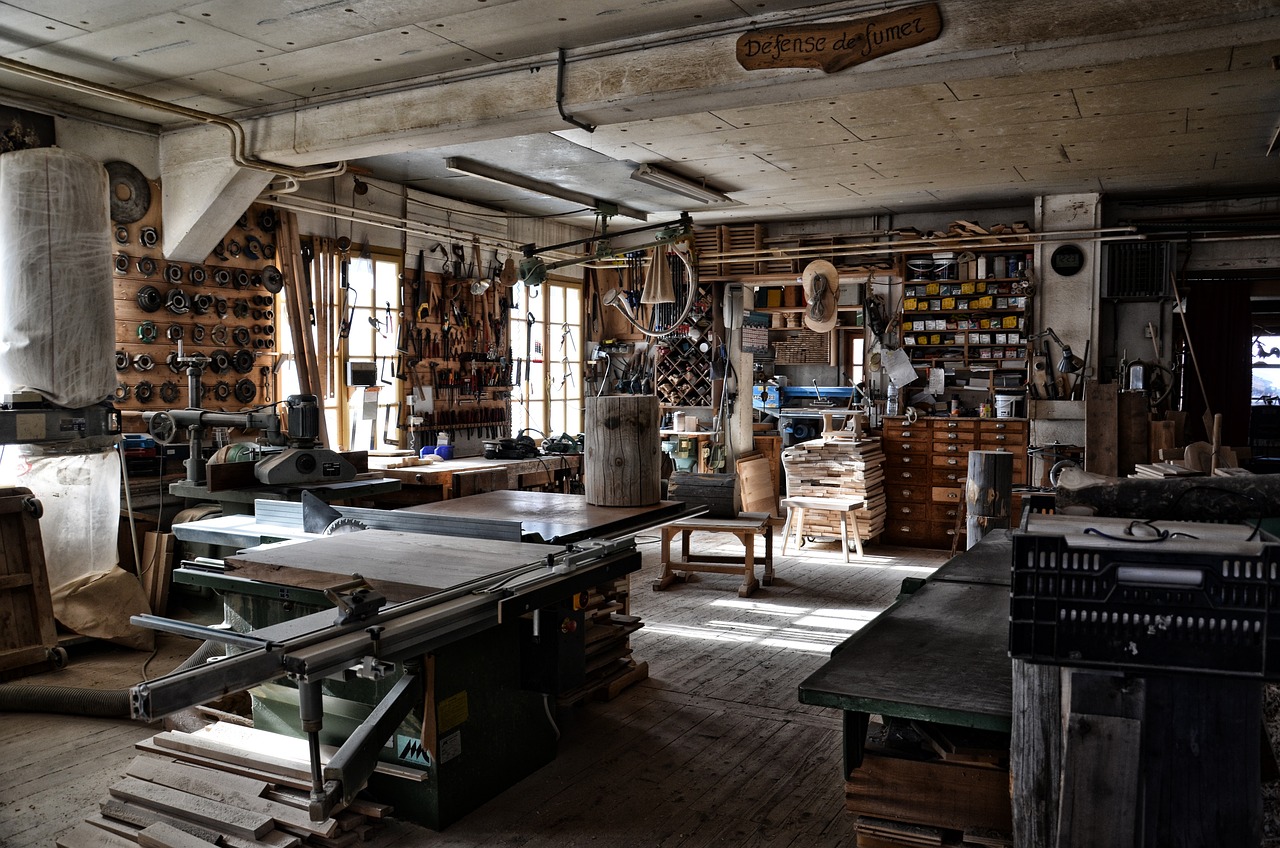
In the bustling Souk des Oudijas, a labyrinthine marketplace, one can find some of Casablanca’s most skilled woodworkers. Their exquisite craftsmanship spans everything from intricate inlaid chests to beautifully carved door frames. The aroma of freshly cut wood fills the air as these artisans bring their creations to life.
Visitors are invited to observe these artisans at work, their nimble fingers carving intricate patterns into the wood, creating objects that are both functional and works of art. With every stroke of the chisel or adze, each piece is imbued with love and dedication.
- Did you know? Moroccan carpenters often use traditional techniques such as marquetry (wood inlay) and rosewood, which is known for its rich, warm color and unique grain pattern.
- The Souk des Oudijas also offers a wide array of handcrafted furniture and home decor items, making it the perfect destination for those seeking to bring a piece of Morocco into their own homes. Imagine sipping mint tea in your very own Moroccan oasis.
The Mesmerizing Art of Moroccan Leatherwork (Bab Doukkala)
In Casablanca’s historic district, Bab Doukkala, one can find a plethora of leatherworkers plying their trade. From delicate embroidery to intricate tanning and dyeing techniques, their work showcases the versatility and beauty of Moroccan leather.
Visitors are encouraged to explore these workshops, where they can witness the meticulous process of creating everything from traditional Berber rugs to exquisite leather bags and shoes. The smell of fresh hides fills the air as these artisans bring their designs to life.
- Did you know? Moroccan leatherwork has a long history, dating back thousands of years. In fact, ancient Phoenician artifacts excavated in Morocco have been found to contain traces of leather.
- Many workshops also offer custom orders, allowing visitors to commission truly unique pieces that reflect their personal style and taste. Imagine owning a one-of-a-kind piece of Moroccan craftsmanship, imbued with love and dedication.
A Call to Action
As members of the Maghrebi diaspora, we have a deep connection to our roots. By supporting these artisanal workshops in Casablanca, we are not only preserving the rich heritage of Moroccan craftsmanship but also ensuring that it continues to thrive for generations to come.
So, let us embark on this journey together—exploring the vibrant streets of Casablanca and delving into the heart of its artisanal workshops. Who knows? Perhaps you’ll find a piece that speaks to your soul and becomes a cherished part of your own story.
You might also enjoy
Related Articles
- Discover Artisanal Workshops in Casablanca Preserving Moroccan Craftsmanship
- Exploring Casablanca Workshops: Preserving Moroccan Craftsmanship
- Unveiling Moroccan Workshops: Preserving Artisanal Craftsmanship – A Call for Support
- Exploring Moroccan Couscous’ Rich History in Medieval Egypt: A Cultural Journey
- Exploring the World of Moroccan Cuisine: From Spiced Duck Breasts to Authentic Street Food