Redefining Arab Cinema and TV: A Discussion on Funding, Diversity, and Creative Power
Introduction
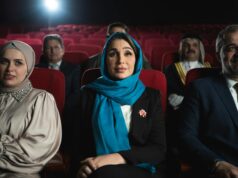
In a world where stories have the power to shape our perceptions and understanding of one another, it is crucial that we prioritize representation and diversity in media. Recently, a panel discussion was held among prominent figures in the Maghrebi film industry to address the current state of Arab cinema and television. The event aimed to explore key topics such as funding, diversity, and creative power, with the goal of driving positive change within the sector.
The gathering brought together producers, directors, actors, and writers who have contributed significantly to the industry’s growth and development. Their insights offer a unique perspective on the challenges and opportunities that lie ahead for Arab cinema and TV, as well as the potential for innovation and progress.
Funding in Arab Cinema: Current State and Future Directions
The discussion highlighted the pressing need for adequate funding to support the production of high-quality Arab content. Many panelists emphasized the challenges faced by filmmakers in securing financing, particularly when it comes to producing projects that deviate from mainstream narratives.
“One of the biggest hurdles we face is finding funding for projects that don’t fit neatly into a specific genre or category,” notes Ahmed Hassan, a prominent producer and director. “We need innovative solutions that allow us to take risks and tell stories that matter.”
To address this issue, panelists proposed various solutions, including establishing regional funds dedicated to supporting Arab cinema and TV, fostering partnerships with international production companies, and leveraging crowdfunding platforms to raise capital for independent projects.
- The establishment of regional funds would provide a steady source of financial support for productions across the region, ensuring that diverse voices are heard and represented on screen.
- Partnerships with international production companies would not only bring in additional resources but also expose Arab cinema to wider audiences and offer opportunities for collaboration and knowledge-sharing.
- Crowdfunding platforms could help independent filmmakers tap into a global community of supporters, providing an alternative means of financing their projects and bypassing traditional gatekeepers.
Diversity in Arab Cinema: Breaking Stereotypes and Expanding Narratives
The panel discussion also highlighted the importance of diversity in Arab cinema. Many attendees emphasized the need for greater representation of underrepresented groups, including women, people of color, and LGBTQ+ individuals.
“When we see ourselves reflected on screen, it’s not just about representation – it’s about empowerment,” notes actress and writer, Noura Alie. “We need more stories that showcase the complexity and richness of Arab society.”
- Increasing the number of women, people of color, and LGBTQ+ individuals in key roles within the film industry would bring new perspectives and experiences to the table, helping break down stereotypes and expand narratives.
- Promoting greater collaboration between Arab countries would allow for the sharing of resources, expertise, and stories across borders, fostering a more cohesive and interconnected cinematic landscape.
- Encouraging partnerships with international film festivals and networks could help introduce Arab cinema to global audiences, fostering greater appreciation and understanding of the region’s rich cultural tapestry.
Creative Power in Arab Cinema: Empowering the Next Generation
The panelists also emphasized the importance of nurturing the next generation of filmmakers in the Arab world. They highlighted the need for mentorship, training, and access to resources that would empower young talent to tell their own stories and contribute to the evolution of Arab cinema.
“We need to create opportunities for emerging talent to develop their skills and pursue their passions,” notes director and writer, Omar El-Hajj. “By supporting the next generation of filmmakers, we can ensure that the industry continues to evolve and thrive.”
- Mentorship programs would provide valuable guidance and support to emerging talent, helping them navigate the industry and develop their unique voices.
- Training initiatives could focus on honing technical skills, such as camera work and editing, as well as developing soft skills like storytelling and collaboration.
- Scholarships and fellowships would offer financial assistance to aspiring filmmakers, enabling them to pursue their passions and contribute to the ongoing growth of Arab cinema.
The Role of the Maghrebi Diaspora in Supporting Arab Cinema
Finally, the panel discussion highlighted the role of the Maghrebi diaspora in supporting the development of Arab cinema. Panelists emphasized the importance of connecting with fellow expatriates and engaging with the industry back home, both financially and creatively.
- Financial support from the diaspora could help fund productions, providing much-needed resources for filmmakers in the region.
- Collaborative partnerships between diaspora members and local filmmakers could help bring fresh perspectives to Arab cinema and contribute to its evolution.
- Advocacy efforts by the Maghrebi diaspora could help raise awareness about the challenges facing Arab cinema and push for policy changes that support the industry’s growth and development.
Conclusion
The panel discussion on redefining Arab cinema and TV was a powerful reminder of the potential for change within the sector. Through open dialogue, collaboration, and collective action, we can work towards a more diverse, inclusive, and empowering cinematic landscape that truly reflects the richness and complexity of Arab society.
As members of the Maghrebi diaspora, it is essential that we remain engaged with the industry back home and support its continued evolution. Together, we can help drive positive change and ensure that the stories of our region are told with authenticity, nuance, and creative power.
You might also enjoy
Related Articles
- Exploring Africa’s Rich Cultural Landscape: A Deep Dive into Diversity, Ethnicity, and Languages
- Empowering Modern Muslim Women in Fashion: Breaking Stereotypes and Celebrating Cultural Pride
- Embracing Our Roots: Nada Koreish’s Fashion Revolution in North Africa
- Navigating Women’s Empowerment Among Arab Cultures: Lessons Learned
- Henna Tattoos: A Traditional Art Form for Maghreb Weddings