Ebola Concerns in North Africa: A Comprehensive Guide for the Maghrebi Diaspora
The recent Ebola outbreak has sparked concerns not only among West Africans but also within the Maghrebi diaspora, given the increased travel between Africa and Europe. As a result, it’s crucial to stay informed about the current state of Ebola in North Africa, its potential impact, and preventive measures.
Understanding Ebola: Origins and Symptoms
Origins of Ebola
Ebola is a severe and often fatal illness that can have devastating consequences for individuals and communities alike. First identified in 1976 in the Democratic Republic of Congo near the Ebola River, hence its name, the virus has been linked to sporadic outbreaks across Africa since then.
These outbreaks have occurred in various regions, with the latest one being declared in Guinea in March 2023. It’s essential to understand that Ebola is transmitted to humans from wild animals and spreads rapidly within human populations through direct contact with infected individuals’ bodily fluids, contaminated surfaces, and materials.
Symptoms of Ebola
Ebola symptoms can be non-specific but can include fever, sore throat, muscle pain, headache, and weakness. As the infection progresses, more specific symptoms such as vomiting, diarrhea, rash, impaired kidney and liver function, and in some cases, both internal and external bleeding may occur.
Symptoms typically appear anywhere from 2 to 21 days after contracting the virus, with an average of 8-10 days. It’s crucial to note that Ebola is not airborne; transmission occurs through direct contact with infected individuals or their bodily fluids.
Ebola in North Africa: Current Status and Preventive Measures
Current Status of Ebola in North Africa
As of now, there are no confirmed cases of Ebola in North Africa. However, due to the high volume of travel between West Africa and North Africa, health authorities are vigilant and prepared for any potential outbreaks.
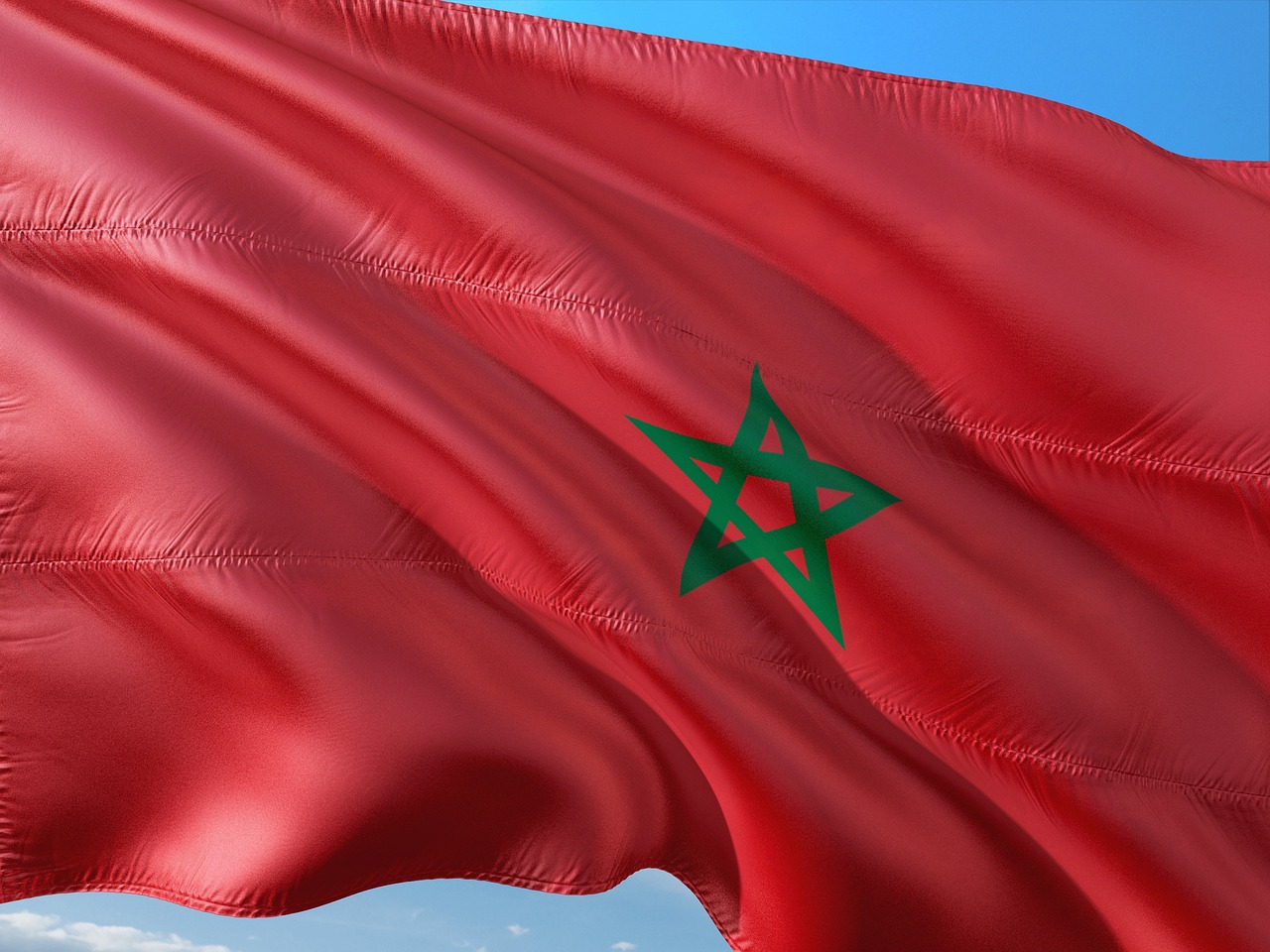
Morocco, Algeria, Tunisia, and Libya have all strengthened their surveillance systems and put in place measures to prevent the spread of Ebola, including enhanced border control and screening procedures. These countries are also collaborating with international health organizations such as the World Health Organization (WHO) and the Centers for Disease Control and Prevention (CDC) to ensure a rapid response in case of an outbreak.
Preventive Measures Against Ebola
The best way to prevent infection is to avoid contact with bodily fluids of people exhibiting symptoms of Ebola. If you are traveling or living in areas where Ebola is present, practice good hygiene and avoid handling items that have been contaminated by an infected person.
Avoid funeral rites that involve handling the body of someone who has died from Ebola. Wear protective clothing, such as gloves and masks, when taking care of ill individuals at home. If you are experiencing symptoms of Ebola, isolate yourself immediately and seek medical help right away. Do not travel while sick.
Traveling to Ebola-Affected Areas
Safety Measures for Travelers
If you are planning to travel to areas affected by Ebola, it’s essential to stay informed about the current situation and follow the advice of local health authorities. Avoid non-essential travel to these areas.
Ensure that you have travel insurance that covers medical evacuation in case of an emergency. Upon your return, monitor your health for 21 days and seek medical attention immediately if you develop any symptoms.
Travel Restrictions
As of now, there are no travel restrictions between North Africa and Ebola-affected areas. However, this could change depending on the evolving situation.
It’s crucial to follow the advice of local health authorities and international organizations such as the WHO for up-to-date information about travel restrictions and safety measures. If you are planning to travel, check with your travel provider regarding any changes in travel policies due to Ebola concerns.
The Role of the Maghrebi Diaspora
Supporting Ebola Response Efforts
The Maghrebi diaspora can play a vital role in supporting Ebola response efforts by staying informed, sharing accurate information with their communities, and donating to organizations working on the frontlines.
Organizations such as Médecins Sans Frontières (MSF) and the Red Cross are actively involved in the fight against Ebola, providing medical care, supplies, and training to health workers. By supporting these organizations financially or through volunteer work, the Maghrebi diaspora can contribute to efforts aimed at controlling the spread of Ebola and improving the lives of those affected by the disease.
Conclusion: Stay Informed and Take Precautions
Ebola remains a significant public health concern, particularly in areas where it is endemic. The Maghrebi diaspora can play an essential role in preventing the spread of Ebola by staying informed, practicing good hygiene, and supporting organizations working on the frontlines.
If you are planning to travel, stay up-to-date with travel advisories from local health authorities and international organizations. If you experience any symptoms after returning from an affected area, seek medical attention immediately.
You might also enjoy
Related Articles
- Exploring Europe and North Africa with Holland America Cruises: A Comprehensive Guide for Maghrebi Diaspora Readers
- Reviving Al-Andalus Cultural Heritage in North Africa: A Call to Action for the Maghrebi Diaspora
- Highlighting the Influence of Contemporary Muslim Fashions in North Africa on Global Trends: De Young Exhibit Showcases Maghrebi Diaspora’s Impact
- Robots Revolutionizing the Clothing Industry in North Africa: A Game Changer for the Maghrebi Diaspora
- Exploring Amazigh Culture in Morocco: A Comprehensive Guide for Maghrebi Diaspora