Ibn Khaldun’s Journey through the Maghreb and Al-Andalus: A Historical Perspective
As we embark on this captivating journey through history, we’re reminded of the profound impact that Ibn Khaldun had on our understanding of the world. This 14th-century polymath was not only a pioneering sociologist and historian but also a curious traveler who ventured into the heart of the Islamic Golden Age. Born in Tunisia in 1332, Ibn Khaldun’s early life was marked by a deep commitment to scholarly pursuits.
Early Life: The Rise of a Genius
Ibn Khaldun’s early years were characterized by an insatiable thirst for knowledge. He studied under some of the most renowned scholars of his time, mastering disciplines as diverse as law, philosophy, theology, and history. His prolific writings would later earn him the title ‘Muqaddimah,’ meaning ‘introduction,’ in recognition of his groundbreaking work on historiography.
This period was crucial in shaping Ibn Khaldun’s intellectual landscape. He immersed himself in the works of Greek philosophers, such as Aristotle and Galen, as well as Islamic scholars like Al-Ghazali and Ibn Rushd. His exposure to these thinkers would later influence his own philosophical and historiographical ideas.
Ibn Khaldun’s travels were not mere sightseeing expeditions; they were essential for the acquisition and dissemination of knowledge. He traveled to various cities, including Marrakesh, Tlemcen, and Granada, where he engaged with fellow scholars, attended classes, and debated philosophical ideas.
The Maghreb: Exploring the Berber Lands
Ibn Khaldun’s journey through the Maghreb allowed him to witness firsthand the diverse cultures that thrived within this region. He described the various tribes, their customs, and social structures, which would later form the basis of his groundbreaking work, ‘Muqaddimah.’
He spent considerable time in cities like Marrakesh, where he studied under Ibn Battuta’s teacher, Abul Hassan Ali. Here, Ibn Khaldun was introduced to the Maliki school of law, which became a cornerstone of his academic career.
Moreover, Ibn Khaldun’s travels offered him insights into the political landscape of the Maghreb. He observed the rise and fall of dynasties, such as the Marinids and the Hafsids, noting their strengths and weaknesses. These observations would later shape his theories on the cyclical nature of civilizations and the role of social cohesion in state formation.
Al-Andalus: The Jewel of Islamic Spain
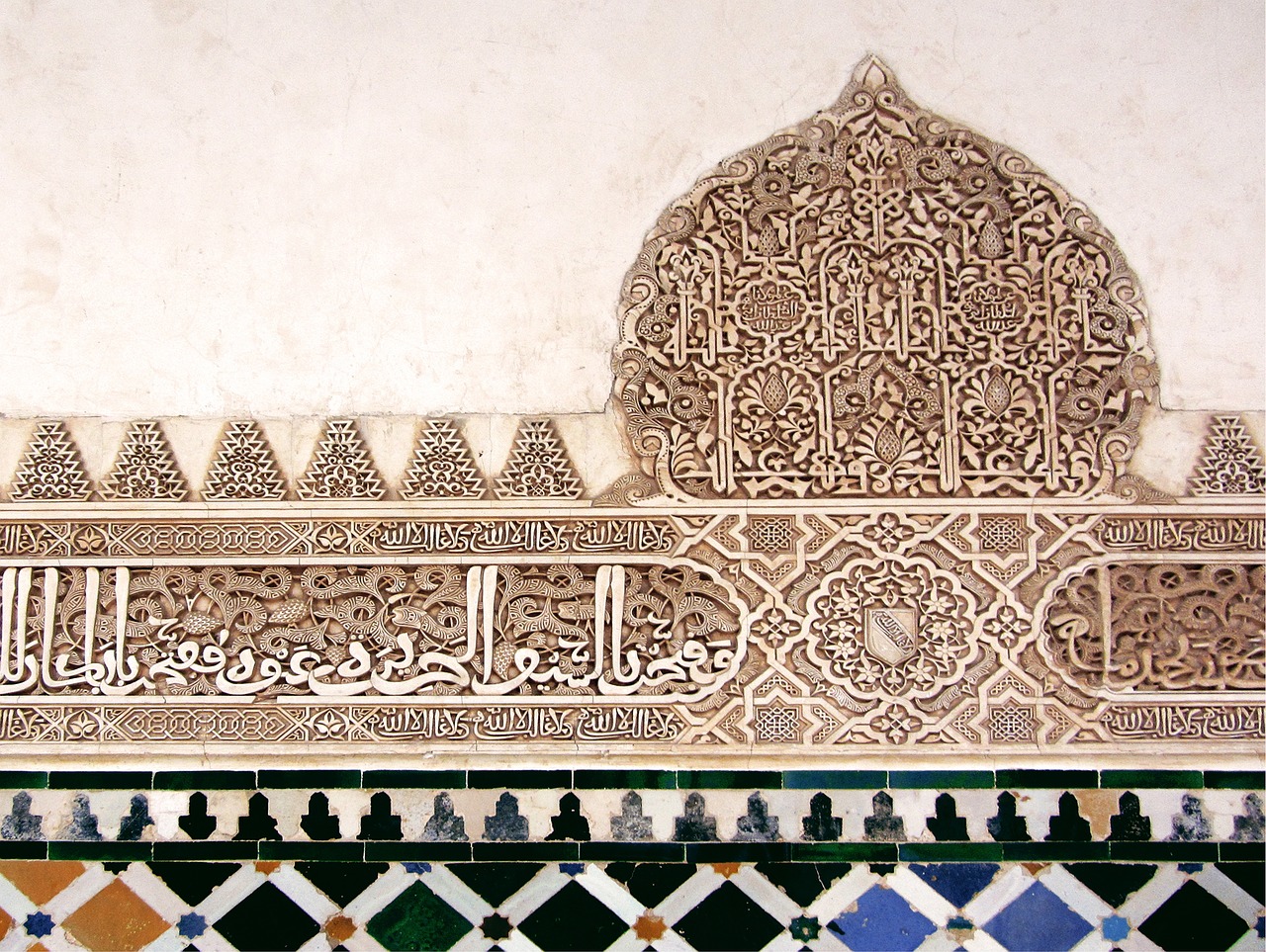
Ibn Khaldun’s visit to Al-Andalus, particularly Granada, was a pivotal moment in his life. Here, he encountered the celebrated Nasrid dynasty and observed the flourishing cultural exchange between Christians, Jews, and Muslims.
He spent several years in Granada, attending the court of Sultan Muhammad V. During this time, Ibn Khaldun engaged with local scholars, including Ibn al-Khatib, the vizier and historian of Granada. He also studied Arabic poetry and philosophy.
Ibn Khaldun’s observations in Al-Andalus would later inform his work on history, politics, and society. In particular, he noted the tension between the Castilian Christians and the Moors, predicting the imminent fall of Granada and the end of Muslim rule in Spain.
Ibn Khaldun’s Legacy: The Muqaddimah
Upon returning to North Africa, Ibn Khaldun began work on his magnum opus, ‘Muqaddimah.’ This comprehensive work covered history, philosophy, politics, and sociology, drawing upon the knowledge he had acquired during his travels.
The ‘Muqaddimah’ is a testament to Ibn Khaldun’s genius. It is considered one of the foundational texts in historiography, sociology, and cultural anthropology. His theories on the rise and fall of civilizations, the role of social cohesion, and the importance of historical context continue to influence scholars today.
Call to Action: Embrace Your Heritage
As we reflect on Ibn Khaldun’s journey through the Maghreb and Al-Andalus, let us be reminded of our rich heritage. His life and works serve as a testament to the intellectual prowess and cultural achievements of our forebears.
You might also enjoy
Related Articles
- Ibn Khaldun’s Journey Through the Maghreb and Al-Andalus: A Fresh Perspective in a New Biography
- Echoes of Al-Andalus: The Enduring Legacy in North African Culture
- Bandor Fry Recipe by Chef Salam Dakkak: A Culinary Journey for Aspiring Maghrebi Chefs
- A Sweet Ramadan Journey: Discovering Lebanese Desserts
- Unveiling Moroccan Art History and Culture: A Journey for Maghrebi Diaspora
We encourage you to delve deeper into Ibn Khaldun’s life and works. Embrace your heritage, learn from our past, and strive to make valuable contributions to our shared future.