Moroccan Cultural Week in Athens: A Celebration of Maghrebi Heritage and Boosting Greek-Maghrebi Relations
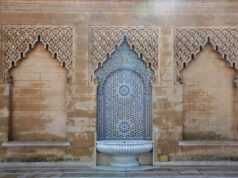
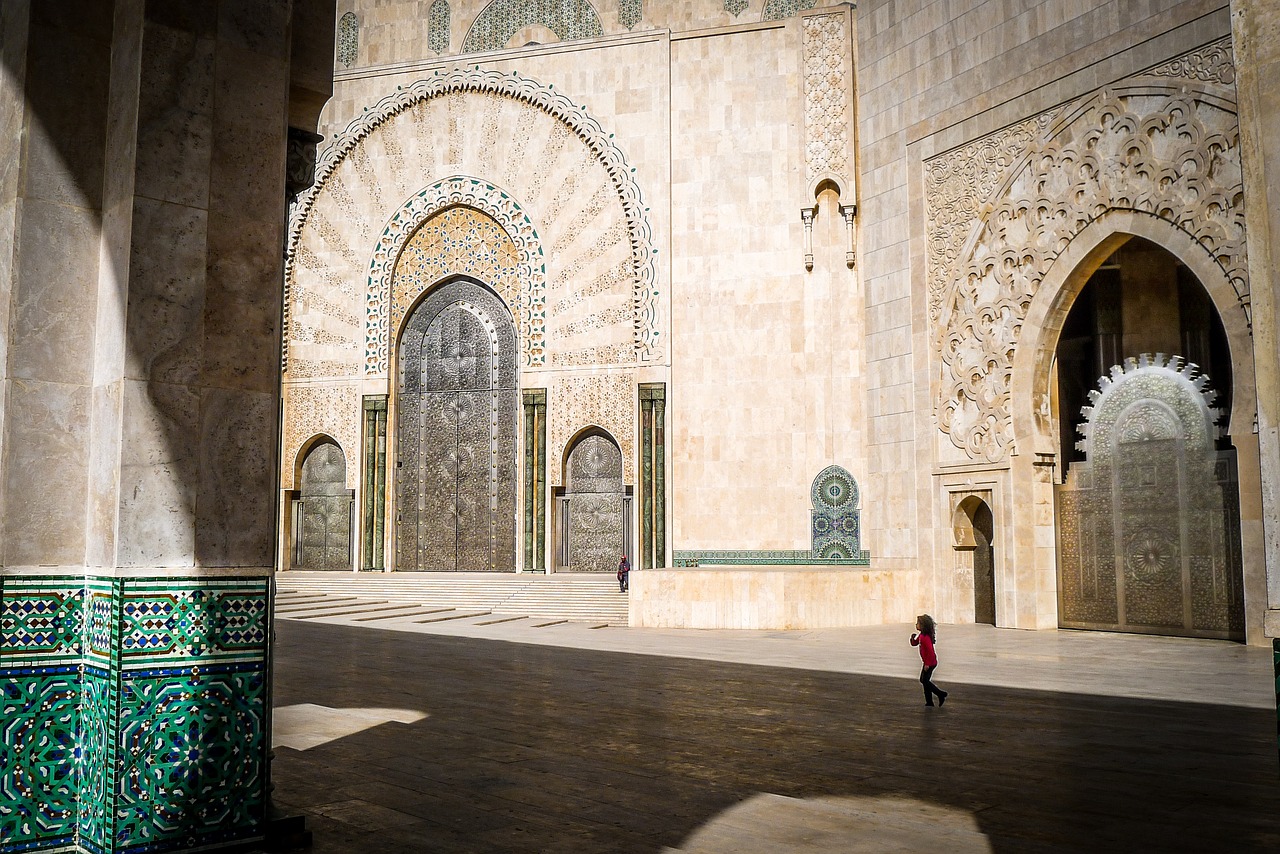
The Moroccan Cultural Week, held from May 6th to 13th, 2022, was a seven-day extravaganza that showcased the rich and vibrant culture of Morocco, while also strengthening cultural ties between Greece and the Maghreb region. This event was a testament to the long-standing historical bond between these two nations.
Historical Ties Between Greece and Morocco
The relationship between Greece and Morocco stretches back thousands of years. Ancient Greeks traded with Phoenicians, who originated in modern-day Morocco, and Greek philosophers like Aristotle and Plato were influenced by the wisdom of African sages. This historical connection has laid the foundation for current cultural exchange initiatives.
In more recent history, Greece played a crucial role in supporting Morocco’s independence from France and Spain during the 1950s. This shared history forms an essential foundation for current cultural exchange initiatives. The Moroccan Cultural Week served as a celebration of this historical bond and offered both nations an opportunity to appreciate each other’s culture, traditions, and values.
The event allowed Greeks to learn more about Morocco’s rich cultural heritage, from its vibrant music and dance to its stunning visual arts. It also provided a platform for Maghrebi diaspora living in Greece to connect with their heritage and feel a sense of pride in their roots.
Artistic Showcases: Music, Dance, and Visual Arts
The Moroccan Cultural Week was filled with numerous artistic events that delighted the Greek public. Moroccan musicians performed traditional music, including Gnawa, Andalusian, and Chaabi, captivating audiences with their soulful melodies and rhythmic beats. These performances showcased the diversity of Moroccan music and its ability to bring people together.
Dance troupes from Morocco showcased various dance forms like the Ouled Nail, a unique Berber style of dance, and the Shaabi dance, which originated in Casablanca’s working-class neighborhoods. These performances provided Greeks with an insight into the rich cultural tapestry of Morocco.
Visual arts were also well represented during the Moroccan Cultural Week. Exhibitions displayed traditional Moroccan crafts like intricate metalwork, colorful textiles, and delicate ceramics. Additionally, contemporary artists showcased their work, offering a glimpse into modern Moroccan art and creativity. These exhibitions provided Greeks with an opportunity to appreciate the beauty of Moroccan visual arts.
Culinary Delights: A Taste of Morocco
The Moroccan Cultural Week would not be complete without a culinary journey through Morocco. Visitors were treated to a variety of traditional dishes, including couscous, tagine, and pastries like b’sara and msemen. Cooking demonstrations offered insights into Moroccan cooking techniques and the use of exotic spices like saffron, cumin, and paprika.
Participants could also sample traditional Moroccan mint tea, a refreshing beverage enjoyed throughout the country. These culinary events allowed both Greeks and Maghrebis to savor the flavors and aromas of Morocco while fostering cross-cultural understanding and appreciation.
Workshops and Conferences: Sharing Knowledge and Expertise
Educational workshops on various topics, such as architecture, literature, and calligraphy, were held during the Moroccan Cultural Week. These events provided an opportunity for Greeks to learn more about Morocco’s cultural heritage and history.
Conferences on subjects like sustainable agriculture, women’s empowerment, and economic development further enriched the week-long event. By promoting knowledge exchange and collaboration, these conferences fostered long-term ties between Greece and the Maghreb region.
The workshops and conferences served as a platform for sharing best practices and fostering innovation, ultimately benefiting both countries economically and socially.
Impact on Greek-Maghrebi Relations
The Moroccan Cultural Week in Athens aimed to promote cross-cultural understanding, strengthen ties between Greece and the Maghreb region, and showcase Morocco’s rich cultural heritage. Through artistic performances, culinary delights, educational workshops, and conferences, the event achieved all of these goals.
The week-long celebration not only provided Greeks with a unique opportunity to explore Moroccan culture but also demonstrated the shared historical bonds between Greece and the Maghreb region. As a result, the Moroccan Cultural Week has undeniably contributed to strengthening Greek-Maghrebi relations.
For the Maghrebi diaspora living in Greece, this event provided a sense of pride in their heritage and an opportunity to connect with other members of the community. As such, it served as a powerful reminder of the rich cultural diversity that exists within Greece and the importance of celebrating and preserving these diverse roots.
Call to Action: Embrace Cultural Exchange Initiatives
The Moroccan Cultural Week in Athens is just one example of how cultural exchange initiatives can bring people together, foster cross-cultural understanding, and strengthen ties between nations. We encourage the Maghrebi diaspora to continue participating in such events and actively promoting cultural exchanges.
For Greeks, we invite you to explore and engage with Moroccan culture through events like the Moroccan Cultural Week, as well as by visiting Morocco itself. Through mutual understanding and appreciation of each other’s cultures, we can build stronger, more inclusive communities that embrace diversity and respect our shared heritage.
You might also enjoy
Related Articles
- Reviving Al-Andalus Cultural Heritage in North Africa: A Call to Action for the Maghrebi Diaspora
- Brahim El Mazned Wins the 2026 UNESCO-Sharjah Prize for Arab Culture: A Celebration of Moroccan Cultural Heritage
- Art History Festival 2026: Fashion and Morocco – A 300-Event Guide for Algerian, Tunisian & Moroccan Diaspora in Fontainebleau
- Unveiling the Judeo-Amazigh Cultural Heritage in North Africa: A Tribute to Our Rich Past
- Exploring Europe and North Africa with Holland America Cruises: A Comprehensive Guide for Maghrebi Diaspora Readers