Breast Cancer Marker Testing: Empowering Arab Women’s Lives
In the Maghrebi diaspora communities, health awareness and education play a vital role in promoting early detection and prevention of various diseases. Breast cancer is a critical concern that affects many women worldwide, including those from North Africa. This article delves into Breast Cancer Marker Testing and its profound impact on the lives of Arab women.
Understanding Breast Cancer
Breast cancer is a malignant tumor that originates from breast tissue, accounting for nearly one-quarter of all cancers among women worldwide. Early detection significantly increases the chances of successful treatment and survival. According to the World Health Organization (WHO), breast cancer ranks as the most common cancer among women in Arab countries, with rates steadily increasing due to lifestyle factors such as obesity and sedentary habits.
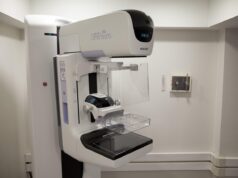
Cultural taboos and misinformation can hinder early detection and prevention efforts. For instance, some women may be hesitant to undergo mammograms or discuss their health concerns with healthcare providers due to cultural or religious beliefs. Awareness campaigns and education are essential in overcoming these obstacles and promoting a culture of openness and trust.
It’s crucial for Arab women to take an active role in their health care and advocate for themselves, especially when it comes to breast cancer. By being informed and proactive, women can make more empowered decisions about their health and well-being.
The Importance of Breast Cancer Marker Testing
Breast cancer marker testing is a crucial diagnostic tool that helps doctors determine the type, aggressiveness, and treatment options for breast cancer. These tests analyze specific proteins in the tumor to assess its likelihood of responding to various treatments. Early and accurate diagnosis can lead to more targeted therapy, potentially improving survival rates and quality of life for patients.
While breast cancer marker testing is essential for all women, it’s particularly vital for Arab women who may have a higher risk of developing the disease due to genetic factors or lifestyle choices. By having access to these tests, women can take control of their health and make informed decisions about their treatment options.
The development of more affordable and accessible testing options has made breast cancer marker testing more feasible for women in Arab countries. Additionally, advancements in technology have led to the creation of non-invasive tests that can detect breast cancer biomarkers with greater accuracy and speed.
The Role of Genetic Testing
Genetic testing helps identify women at high risk of developing breast cancer due to inherited mutations in genes such as BRCA1 and BRCA2. By undergoing genetic testing, women can take preventative measures like increased screenings or prophylactic surgeries to reduce their risk.
Among the Arab population, there is a higher prevalence of certain genetic mutations that increase breast cancer risk, such as the founder mutation in the BRCA2 gene among Ashkenazi Jews from North Africa. Understanding these genetic factors can lead to more targeted interventions and improved outcomes.
Genetic testing is still underutilized in many Arab communities due to misconceptions about its purpose, cost, and availability. Educating women about the benefits of genetic testing and providing accessible testing options are essential steps toward reducing breast cancer incidence and improving outcomes.
Breaking Down Barriers to Care
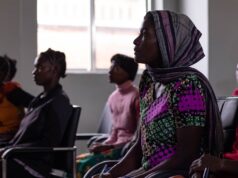
Addressing cultural barriers, lack of access to healthcare, and misinformation is crucial in promoting early detection and prevention efforts among Arab women. Community-based initiatives, such as breast cancer awareness workshops and support groups, can help break down these barriers by providing education, resources, and a supportive network for affected women.
In addition, policy changes are needed to ensure that affordable and accessible breast cancer screening and testing options are available to all women, regardless of their socio-economic status or geographic location. This includes increasing funding for breast cancer research and awareness campaigns in Arab countries.
It’s also essential to train healthcare providers on the cultural nuances and specific needs of Arab women. By providing culturally sensitive care, healthcare providers can help break down barriers to care and promote a more positive experience for patients.
Call to Action
As members of the Maghrebi diaspora, we have a responsibility to educate ourselves and our communities about breast cancer marker testing and its importance in early detection and treatment. Join us in advocating for increased access to these tests and promoting awareness campaigns within our communities.
Together, we can make a difference by empowering Arab women with the knowledge and resources they need to take control of their health and well-being. Let’s work together to break down barriers to care and promote a culture of openness, trust, and empowerment.
You might also enjoy
Related Articles
- Saving Lives: The Importance of Breast Cancer Testing for Maghrebi Women – A Call from Hadassah
- Breast Cancer Markers Testing: A Life-Saving Initiative for Arab Women
- Empowering Voices: Celebrating Revolutionary Literature by Arab Women from the Maghrebi Diaspora
- Living Among Arab Women in the Maghreb: Personal Reflections on Women’s Empowerment
- Assessing Progress of Arab Women’s Rights Post-Arab Spring: A Reflection for the Maghrebi Diaspora