Revisiting Traditional Tunisian Passover Dish, Yabrak, in Marseille’s Vibrant Diaspora Community
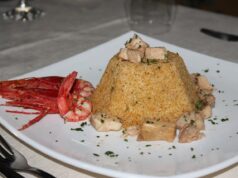
In the heart of France’s Mediterranean coastline, lies Marseille – a city where the scent of freshly baked bread and the sound of laughter fill the air. Amidst the myriad of influences that have shaped its unique identity, the Maghrebi diaspora has left an indelible mark. One such contribution is the resurgence of a traditional Tunisian Passover dish, Yabrak, which now graces tables across the city. This delightful pastry, filled with chopped greens, hard-boiled eggs, and olives, holds a special place in Tunisian Jewish culinary tradition.
The Origins and Significance of Yabrak
Yabrak is more than just a tasty treat; it’s a symbol of the Exodus from Egypt. The dish represents the green vegetation that grew abundantly as the Israelites journeyed through the Sinai desert, marking their freedom from slavery. In Marseille, the rich Maghrebi diaspora community has embraced Yabrak as a representation of their heritage, ensuring its continued existence beyond the borders of Tunisia.
This delicious pastry not only serves as a culinary delight but also as a powerful connector, tying together individuals and families who share roots in the Maghreb. Whether you’re sitting down to enjoy it with family and friends or savoring each bite on your own, Yabrak is an experience that brings people together.
The Art of Preparing Yabrak
Preparing Yabrak is a labor of love that requires patience, skill, and attention to detail. The pastry itself is made from a combination of flour, water, and olive oil, which is then folded around the filling to create a delicate envelope. The filling consists primarily of chopped greens such as chard, spinach, and parsley, complemented by the saltiness of hard-boiled eggs and olives.
Traditionally, the ingredients are mixed with garlic, oil, and lemon juice for added flavor. As the pastry cooks, it puffs up to create a delightful contrast in texture between the crispy exterior and soft filling. In Marseille, you can find Yabrak prepared by various culinary establishments that cater to the city’s diverse population.
Some families even continue the tradition of making Yabrak at home during Passover, passing down the recipes and techniques from one generation to another. Whether it’s a family affair or a culinary adventure, preparing Yabrak is an experience that brings people together.
Yabrak as a Symbol of Cultural Preservation
The resurgence of Yabrak in Marseille serves as a symbol of cultural preservation, reflecting the Maghrebi diaspora’s commitment to maintaining their heritage amidst their new surroundings. The continued preparation and consumption of Yabrak not only keeps traditions alive but also fosters a sense of community among the diaspora.
Sharing this dish during Passover offers an opportunity for individuals to connect with their roots and celebrate their shared history. As we mark this special holiday, let us remember the significance of Yabrak – not just as a delicious pastry but also as a powerful symbol of our Maghrebi heritage.
Exploring Marseille’s Yabrak Offerings
For those eager to sample Yabrak in Marseille, there are several establishments that offer this traditional Tunisian dish. From bustling street food vendors to fine dining restaurants, the city caters to a variety of tastes and budgets.
- Le Café de la Mairie: This iconic Marseille establishment serves a variety of North African dishes, including Yabrak during Passover. The cozy atmosphere and friendly service make it an ideal spot to enjoy this traditional dish.
- La Table d’Émile: A Michelin-starred restaurant in Marseille, La Table d’Émile offers a modern take on traditional Tunisian cuisine. During Passover, they feature Yabrak as part of their seasonal menu.
- Les Gourmandises de Bab el-Oued: This popular street food vendor specializes in Maghrebi dishes and is known for its delicious Yabrak.
Preserving the Passover Tradition: A Call to Action
As we celebrate Passover this year, let us remember the significance of Yabrak – not only as a delicious dish but also as a powerful symbol of our Maghrebi heritage. Whether you choose to prepare it at home or seek it out in Marseille, sharing this traditional Tunisian dish with family and friends is an act of cultural preservation that connects us to our roots.
So, take a moment to appreciate the rich flavors, textures, and aromas of Yabrak. Let its significance sink in, and let your senses transport you to the streets of Tunisia, where this beloved dish originated. As we mark this special holiday, let us come together to preserve our traditions and keep them alive for generations to come.
You might also enjoy
Related Articles
- A Journey Through Marseille: Preparing Authentic Tunisian Passover Dish Yabrak
- Authentic Tunisian Cuisine in Marseille: A Culinary Journey for Maghrebi Diaspora Readers
- Morocco’s Cultural Week in Athens: A Vibrant Showcase of Traditional Art and Fashion for the Maghrebi Diaspora
- Unveiling Authentic Tunisian and Moroccan Cuisine in Bradford: A Culinary Journey for the Maghrebi Diaspora
- Reviving a Marseille Tradition: The Tunisian Passover Yabrak Recipe