Cooking Traditional Algerian Bricks for Ramadan: A Comprehensive Guide
Welcome to this culinary journey! As we approach the blessed month of Ramadan, it’s time to prepare our homes and hearts for the joyous tradition of fasting and feasting. In this article, we’ll delve into one of Algeria’s most cherished desserts: Bricks (or ‘Makroudh’). These sweet treats are not only a staple during Ramadan but also a symbol of unity and togetherness as families gather to break their fast together.
Understanding the History and Significance of Algerian Bricks
Bricks have been a part of Algerian culture for centuries, with roots tracing back to the Maghreb region. The name ‘bricks’ is derived from their rectangular shape, reminiscent of building blocks. This traditional dessert has been passed down through generations and is often made with semolina dough filled with date paste and deep-fried until golden brown.
During Ramadan, it’s common to see homes filled with the tantalizing aroma of frying bricks, signaling the start of the evening meal. As families gather around the table to break their fast, these sweet delicacies are a reminder of the importance of unity, love, and sharing meals together. Today, we’ll guide you through the process of making these delicious traditional Algerian bricks at home.
Gathering the Ingredients
To make traditional Algerian bricks, you will need:
- 3 cups semolina: You can find this type of flour in most supermarkets or online. Make sure to use high-quality semolina for the best results.
- 1 1/2 cups warm water: The ideal temperature is between 90°F and 100°F (32°C and 38°C). This will help create a smooth and pliable dough.
- 1/4 cup vegetable oil (for the dough): You can use any neutral-tasting oil, such as olive or canola oil. This will add moisture to the dough and help it come together easily.
- 1 cup date paste: You can find date paste in most Middle Eastern or Mediterranean stores. If you can’t find it, you can make your own by blending dates with sugar and water. We’ll cover this process in a separate section below.
- 1/2 cup granulated sugar: This will add a touch of sweetness to the bricks and balance out the flavor.
- 2 tablespoons baking powder: This will help the dough rise slightly, giving your bricks a light and airy texture.
- Vegetable oil for frying: You’ll need this to deep-fry the bricks until they’re golden brown. Make sure to use enough oil to cover the bottom of your fryer or large saucepan.
Preparing the Semolina Dough
In a large mixing bowl, combine semolina, warm water, vegetable oil, and baking powder. Mix well until you form a smooth and pliable dough. You may need to adjust the amount of water depending on your environment’s humidity.
Let the dough rest for about 15 minutes to allow it to absorb the liquid and become easier to work with. This step is crucial, as it will help the dough come together seamlessly when you start shaping the bricks.
While waiting, prepare the date paste by combining dates and sugar in a saucepan. Cook over medium heat, stirring constantly until the mixture thickens into a smooth paste. If using store-bought date paste, simply follow the package instructions for heating it up.
Filling and Shaping the Bricks
Once your dough has rested, it’s time to shape your bricks! Take small portions of the dough and roll them out thinly. Aim for a thickness similar to that of a sheet of paper.
Spread a generous amount of date paste onto each rolled-out piece of dough, leaving a small border around the edges. This will help prevent the filling from oozing out during frying.
Fold the dough over the filling to enclose it completely. Seal the edges by pressing them together gently. Make sure your seams are tight to avoid any filling escaping during frying.
Deep-frying the Bricks
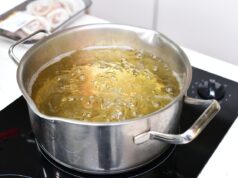
Heat vegetable oil in a deep fryer or large saucepan to 375°F (190°C). Gently place the filled bricks into the hot oil and fry them until they turn golden brown. This should take around 3-4 minutes, depending on your fryer’s heat and the size of your bricks.
Using a slotted spoon, remove the cooked bricks from the oil and drain them on paper towels. Be careful when handling the hot bricks, as they can be fragile.
Serving and Enjoying Your Traditional Algerian Bricks
Serve your traditional Algerian bricks warm as a delicious dessert during iftar. They can be enjoyed on their own or with a cup of sweet mint tea. As you gather around the table with family and friends, remember that these bricks symbolize unity, love, and the beautiful traditions passed down through generations.
Call to Action
This Ramadan, take part in the rich cultural heritage of Algeria by preparing traditional bricks at home. Share your culinary creations with loved ones and create lasting memories together. We wish you a blessed month filled with joy and growth.
You might also enjoy
Related Articles
- Cooking up Tradition: Breaking Fast with Algerian Brick Recipe during Ramadan
- Maximizing Miles and Points for Affordable Travel to Middle East & North Africa: A Comprehensive Guide for Maghrebi Diaspora
- A Berber Feast for Yennayer 2026: Traditional Dishes to Celebrate Algerian, Tunisian and Moroccan Culture
- Echoes of Al-Andalus: Celebrating North Africa’s Spanish Heritage in Modern Culture
- 55 Character Title: Traditional Eid Cookies Recipes for a Festive Ramadan