Preserving Cultural Roots: Al-Andalus’ Influence on North African Heritage
Welcome to this journey through the fascinating world of Al-Andalus and its profound impact on North African heritage. As members of a rich cultural tapestry, it’s essential to understand our roots to foster a deeper connection with our past and present. Let’s take a step back in time to explore how Al-Andalus’ golden age shaped the course of history and left an indelible mark on North African culture.
I. The Rise and Fall of Al-Andalus
Al-Andalus, the Islamic Kingdom in Iberia (present-day Spain and Portugal), lasted from 711 AD to 1492 AD. This period was marked by a golden age of cultural exchange between Muslim, Jewish, and Christian communities. During this time, Al-Andalus flourished as a center for arts, sciences, and philosophies that would forever shape North African heritage. The kingdom’s capital, Cordoba, became a beacon of learning, with scholars like Ibn Rushd (Averroes) making groundbreaking contributions to fields such as medicine, philosophy, and mathematics.
The fall of Al-Andalus in 1492 marked the beginning of the Reconquista, a centuries-long process of Christian reclaiming of lands previously controlled by Muslim forces. Many Moorish scholars and artisans were forced to leave Spain, migrating northward towards North Africa and bringing with them valuable knowledge and expertise. This mass migration had a profound impact on the cultural landscape of North Africa, as it brought new ideas, techniques, and artistic expressions that would shape the region’s identity for centuries to come.
II. Architectural Influences
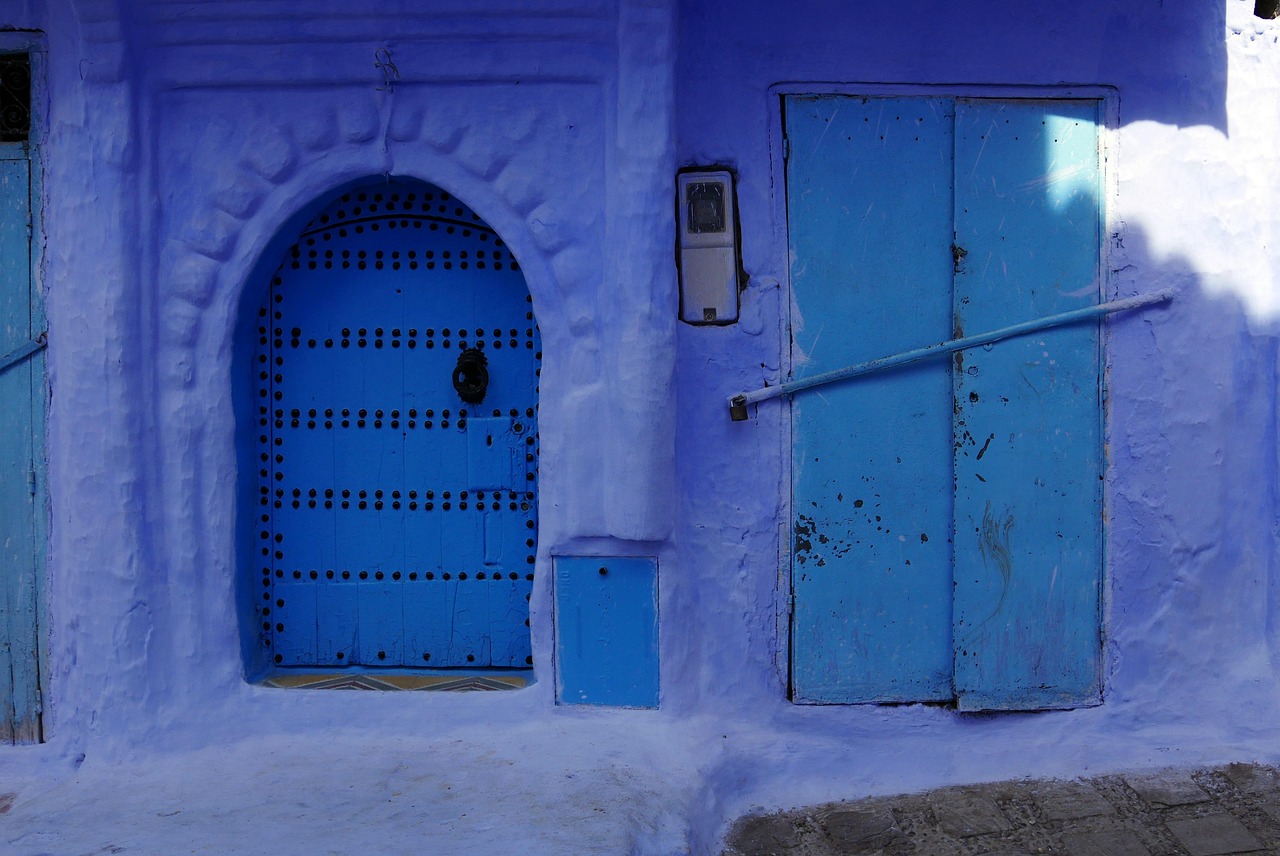
The architectural styles of Al-Andalus have left an indelible mark on North African cities such as Fez, Marrakesh, and Fes el Bali. The intricate geometric patterns, arches, and courtyards found in these cities can be traced back to the Moorish architects who brought their unique artistic expressions from Spain. For instance, the Al-Attarine Madrasa (religious school) in Fez, Morocco, is a masterpiece of Moorish design that showcases the influence of Al-Andalus’ architectural heritage on North African architecture.
- Did you know? The courtyard at the Alhambra in Granada, Spain, is a masterpiece of Moorish design and remains one of the most stunning examples of Al-Andalus’ architectural legacy. Its beauty has inspired generations of architects, artists, and travelers alike.
III. Language and Literature
The Arabic language played a significant role in the intellectual life of Al-Andalus, serving as the primary medium for literature, science, and philosophy. This linguistic legacy left a lasting impact on North African languages such as Darija (Moroccan Arabic) and Modern Standard Arabic. Many famous works, such as the 1001 Nights, were compiled during Al-Andalus’ golden age. These tales continue to captivate audiences around the world and contribute to North African culture’s rich literary tradition.
One notable example is the works of Ibn al-Arabi, a renowned Andalusian philosopher who wrote extensively on Sufism and Islamic mysticism. His ideas have had a profound impact on Islamic thought and continue to influence philosophers and scholars across the region.
IV. Music and Dance
The music of Al-Andalus, known as Andalusian music or al-Aydah, is characterized by its intricate rhythms, melodies, and poetry. Many North African musical traditions can trace their roots back to this period, incorporating elements such as the use of the oud (lute) and other Arabic instruments. This rich cultural heritage has been passed down through generations, with each region adding its unique twist and flair.
One popular North African music genre that demonstrates the influence of Al-Andalus is Andalusian-style flamenco. This fusion of Spanish and Arabic musical traditions showcases the cultural exchange between the two regions and serves as a testament to their shared heritage. The use of instruments like the qraqeb (a type of castanet) and the riq (a Middle Eastern drum) adds an exotic flair to this traditional style.
V. Cuisine
The cuisine of Al-Andalus, with its emphasis on exotic spices, fresh ingredients, and complex flavors, has had a profound impact on North African culinary traditions. Dishes such as couscous, tagine, and harira, popular in Morocco, Tunisia, and Algeria, bear the unmistakable imprint of Andalusian cooking. The use of ingredients like saffron, cinnamon, and dates is a nod to this shared culinary heritage.
VI. Preserving Our Cultural Identity
As members of the Maghrebi diaspora, it’s essential that we recognize and celebrate the rich cultural legacy passed down from Al-Andalus. By embracing our shared heritage, we can foster a deeper understanding and appreciation for the diverse tapestry that makes up North African culture. Let us honor our ancestors by preserving their stories, traditions, and values.
We encourage you to explore and learn about the fascinating world of Al-Andalus. Engage in cultural exchanges with fellow Maghrebis, share stories with your children, and continue to preserve the vibrant heritage that unites us all. Together, let’s keep our cultural roots strong and our hearts full of pride.
You might also enjoy
Related Articles
- Reviving Amazigh Heritage: Cultural Preservation and Future Prospects in Morocco
- Traveling Between Marrakech and Hamburg: A Comprehensive Guide for the North African and German Diaspora
- Discovering Algeria: A Guide to its Culture, Traditions, and Cuisine
- Rediscovering Al-Andalus: A Journey Through the Echoes of Exile in North Africa
- Revival and Modernization of Amazigh Culture in Morocco: A Journey into Our Roots