Exploring the Rich Cultural Heritage of North Africa: A Journey through History
Welcome, dear readers from the Maghrebi diaspora! As we embark on this captivating journey, let’s delve into the heart of North Africa’s rich and vibrant cultural heritage. Get ready to travel through time and explore the fascinating stories that make up our shared history – a tapestry woven from the threads of ancient civilizations, Islamic empires, Berber kingdoms, Ottoman dynasties, and modern nation-states.
The Ancient Civilizations: Carthage, Numidia, and Mauritania
Long before the rise of Rome, Phoenician settlers founded the prosperous city-state of Carthage in modern Tunisia. This thriving metropolis became a powerful empire, clashing with Rome in three Punic Wars, shaping the course of Western history. The Numidian kings were renowned for their exceptional horsemanship and played a crucial role in the Roman conquest of Carthage. Meanwhile, Mauritania was famous for its gold and silver mines, as well as the skilled artisans who crafted exquisite jewelry and weapons.
The remnants of these ancient kingdoms continue to intrigue scholars and travelers alike, offering glimpses into a bygone era. Today, visitors can explore the ruins of Carthage, Numidia’s royal tombs, and Mauritania’s ancient gold mines, gaining insight into the daily lives, customs, and traditions of our ancestors.
The Islamic Golden Age: The Umayyad Caliphate and the Fatimids
The arrival of Islam in North Africa marked a new chapter in its history. The Umayyad Caliphate, which ruled from Damascus, established the city of Kairouan in modern Tunisia as an important Islamic center, attracting scholars and traders from across the Muslim world.
Centuries later, the Fatimid dynasty arose in Egypt, extending its influence into North Africa. The Fatimids are best known for their patronage of science, philosophy, and the arts, ushering in what is now referred to as the Islamic Golden Age. Some of the most significant intellectual figures of this era hailed from North Africa, including philosopher Ibn Khaldun and mathematician Al-Khwarizmi.
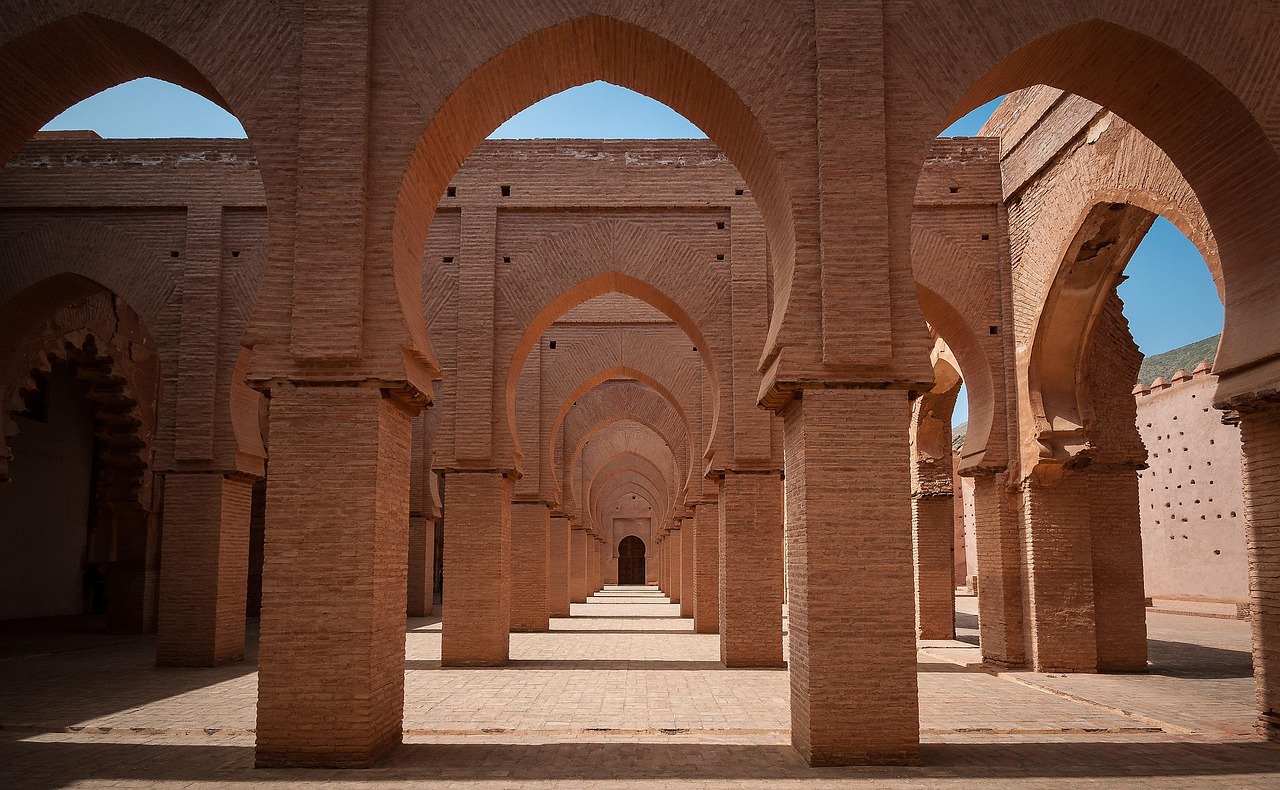
Their groundbreaking works continue to impact our understanding of history and mathematics today. The Great Mosque of Kairouan, built by the Fatimids but expanded under the Almohads, remains one of the most impressive examples of Islamic architecture in North Africa, showcasing the region’s artistic vision.
The Berber Kingdoms: The Almoravids and the Almohads
In the 11th century, Berber tribes in present-day Morocco formed powerful kingdoms, such as the Almoravids and the Almohads. These empires expanded across North Africa and into Spain, playing a crucial role in preserving Islamic learning during the Middle Ages.
The Almohads were renowned for their architectural prowess, constructing grand mosques and universities that showcased their artistic vision. The Berber kingdoms were also known for their military might, defending Islam against Christian invaders and maintaining a fragile peace between Muslim powers.
The Ottoman Empire: Trade, Art, and Architecture
The Ottoman Empire’s influence in North Africa began in the 16th century with the conquest of Algiers. Over the next few centuries, the Ottomans expanded their territories across North Africa, bringing with them a unique blend of Turkish and Islamic culture.
Under Ottoman rule, trade flourished, linking North Africa to the Middle East and Europe through a complex network of caravan routes and maritime trade. This period also saw a resurgence in art and architecture, with magnificent buildings like the Kasbah of Algiers and the Blue Mosque of Tangier being constructed.
The Ottomans introduced new culinary traditions to North Africa, leaving an indelible mark on its cuisine. Dishes such as couscous and tagine, now considered iconic North African staples, have their origins in the Ottoman Empire.
Modern North Africa: Independence and Cultural Revival
The 20th century brought independence to many North African countries, with each nation forging its own path while preserving its cultural heritage. In Morocco, the reign of King Mohammed V helped galvanize the struggle for independence, while also fostering a renewed appreciation for the country’s rich cultural traditions.
- In Tunisia, Habib Bourguiba led the fight for independence and became the first president. His vision included preserving and promoting Tunisian culture, particularly in education and the arts.
- Algeria’s struggle for independence, under the leadership of Ahmed Ben Bella and Houari Boumédiene, culminated in 1962. Algeria’s cultural revival emphasized its Berber heritage, promoting Berber languages and traditions.
- In Libya, Muammar Gaddafi led a revolution that brought an end to the monarchy, but his rule was marked by political instability and repression of dissent. Despite these challenges, efforts were made to promote Libyan culture and identity, particularly in education and the arts.
Call to Action
Dear readers, as we traverse North Africa’s rich cultural history, let us not forget that our shared heritage continues to shape our identities and inspire us. It is our collective responsibility to protect and preserve these priceless treasures for future generations.
Embrace your roots by exploring the museums, monuments, and artisanal markets of North Africa, or by supporting organizations dedicated to preserving its cultural heritage. Together, we can ensure that the spirit of North Africa’s past endures in the present and shapes a brighter future for all.
You might also enjoy
Related Articles
- Exploring UNESCO World Cultural Heritage Sites in North African Cuisine: A Journey Through the Maghrebi Diaspora
- Exploring the Rich Judeo-Amazigh Heritage in North Africa
- Coptic, Nubian, and Berber Languages: Preserving North Africa’s Rich Cultural Heritage
- Exploring the Rise and Empowerment of the Maghrebi Diaspora Community: A Journey of Identity, Connection, and Growth
- Exploring the Controversy Surrounding the ‘Halal Lifestyle’ Township in India: A Perspective for Maghrebi Diaspora Readers