A Decade On: Women’s Rights and Lifestyle Revolution Post-Arab Spring – A Reflection for the Maghrebi Diaspora
As we mark a decade since the Arab Spring swept across North Africa and the Middle East, it’s hard not to feel a mix of emotions. The promise of a new era of political and social change was palpable back then – and while progress has been made, the journey ahead is far from over. For many of us in the Maghrebi diaspora, this moment serves as a poignant reminder of our responsibility to support the ongoing efforts towards women’s rights and lifestyle revolution in our home countries.
Let’s take a closer look at how these changes have unfolded over the past decade, focusing on the Maghrebi region. We’ll explore advances, setbacks, and ongoing challenges, providing a comprehensive overview for our fellow members of the Maghrebi diaspora.
Women’s Political Participation
During the Arab Spring, many women actively participated in protests and demonstrations, seeking to claim their place in shaping the future of their countries. This was a momentous shift – one that acknowledged women as equal partners in the pursuit of democracy and human rights. Although progress has been made, women continue to face barriers when it comes to political representation.
In Tunisia, the country often hailed as the success story of the Arab Spring, women now hold 31% of parliamentary seats – a significant improvement compared to pre-revolution levels. This is indeed a cause for celebration, but it’s essential to acknowledge that this figure remains below the global average and is lower than in other countries within the region such as Rwanda.
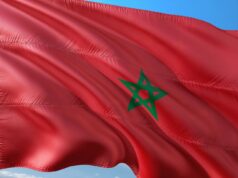
In Morocco, the constitution was amended to guarantee equal political rights for women, but their representation in parliament has stagnated at around 17%. Egypt – another key player in the Arab Spring – saw a brief increase in female representation following the 2011 revolution, but this has since declined. These numbers are a stark reminder that more needs to be done to ensure true gender equality in political decision-making.
Women’s Economic Empowerment
One of the most notable advancements in women’s rights during the past decade has been an increased focus on economic empowerment. Governments across the region have introduced policies aimed at increasing women’s participation in the workforce and improving their economic opportunities.
In Tunisia, the government launched the National Initiative for Economic Empowerment of Women (NIEW), which has led to a rise in female entrepreneurship and increased access to microfinance. This is a testament to the power of targeted initiatives in driving positive change.
Morocco has also made strides in promoting women’s economic empowerment. The country introduced quotas for women on corporate boards, leading to an increase in female representation from 3% to 17%. However, the pandemic has had a disproportionate impact on women’s employment, with many losing their jobs or facing reduced working hours. This serves as a sobering reminder that even small setbacks can have significant consequences.
Legislation and Legal Reform
The Arab Spring led to significant changes in legislation related to women’s rights. For example, Tunisia abolished laws criminalizing extramarital relationships and removed the need for a husband’s permission for his wife to travel.
In Morocco, the government ratified the Convention on the Elimination of All Forms of Discrimination Against Women (CEDAW) in 2011. However, progress has been slow in implementing these reforms, and many women continue to face discrimination in practice. This is a critical reminder that laws are only as effective as their enforcement.
Social Attitudes and Cultural Norms
One of the most challenging aspects of promoting women’s rights in the Maghrebi region is changing deeply ingrained social attitudes and cultural norms. These attitudes can manifest as violence against women, limited access to education, and barriers to participation in public life.
In Tunisia, there has been a decrease in reported cases of violence against women since the Arab Spring. However, many incidents still go unreported due to social stigma and fear of reprisal. This is a poignant reminder that even with progress, much work remains to be done to ensure true gender equality.
The Role of the Diaspora
As members of the Maghrebi diaspora, we have a unique opportunity to support the ongoing efforts towards women’s rights and lifestyle revolution in our home countries. This can be done through various channels, including financial support, advocacy, and networking.
Call to Action
As we reflect on the past decade, it is clear that significant progress has been made in promoting women’s rights and lifestyle revolution across the Maghrebi region. However, much work remains to be done, and your support is crucial in this ongoing effort.
Whether you choose to donate to organizations working on these issues, advocate for change through your networks, or simply raise awareness within your community, every action counts. Together, we can ensure that the promise of the Arab Spring becomes a reality for all women in the Maghreb.
You might also enjoy
Related Articles
- Exploring the Rise and Empowerment of the Maghrebi Diaspora Community: A Journey of Identity, Connection, and Growth
- Exploring the Controversy Surrounding the ‘Halal Lifestyle’ Township in India: A Perspective for Maghrebi Diaspora Readers
- Exploring UNESCO World Cultural Heritage Sites in North African Cuisine: A Journey Through the Maghrebi Diaspora
- Empowering Contemporary Muslim Women’s Fashion in the Maghrebi Diaspora
- Modern Muslim Women’s Fashion: Empowering Style for the Maghrebi Diaspora