Navigating Racism in Sports: Lessons from the Africa Cup of Nations
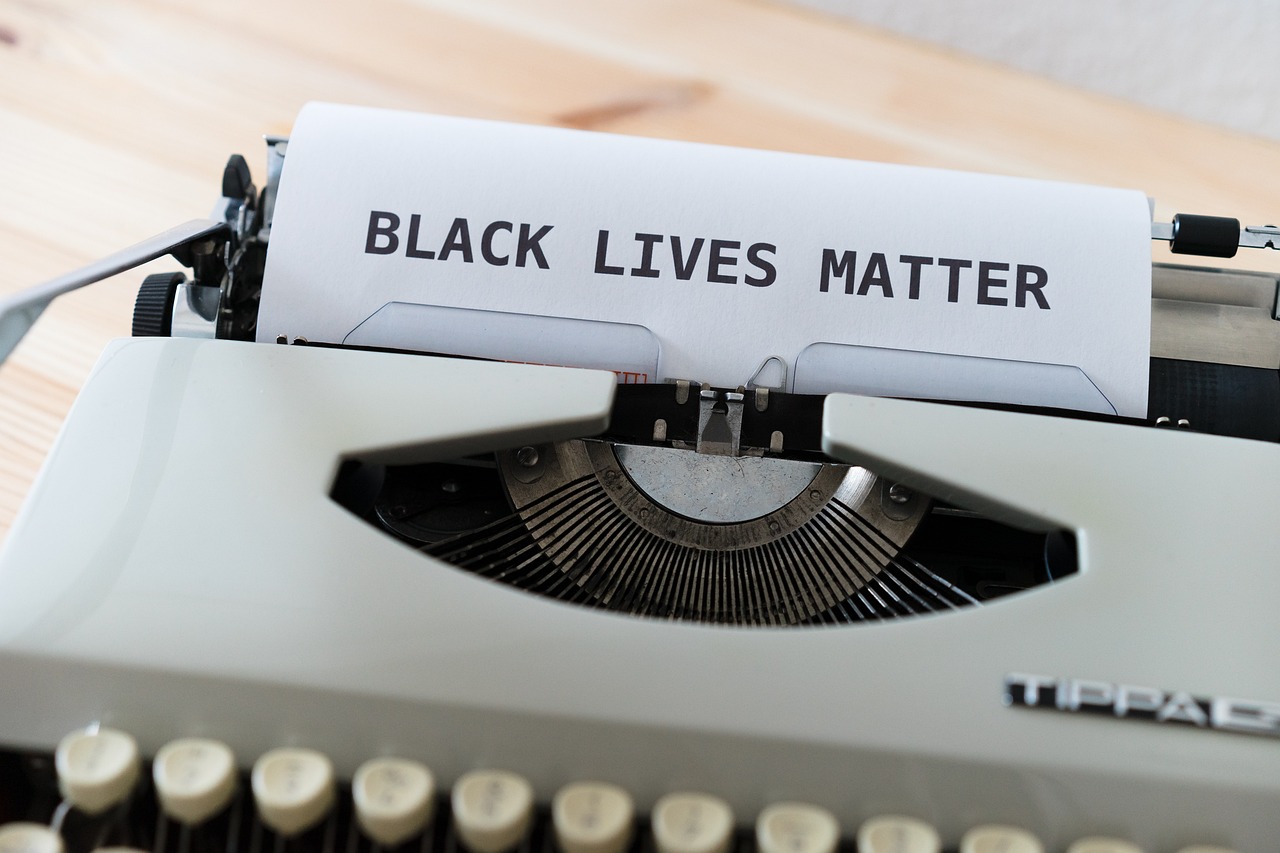
The recent Africa Cup of Nations (AFCON) tournament was a poignant reminder that racism is still a pervasive issue in sports, particularly within the football community. As members of the Maghrebi diaspora, it’s essential that we engage with and learn from these incidents to foster a more inclusive and equitable environment for all athletes. From chants and gestures to explicit racist comments, the consequences of such behavior can be severe and far-reaching.
1. Understanding the Extent of Racism in Sports
Racism in sports is not a new issue, but it remains a persistent problem that continues to plague the football community. In recent years, numerous instances of racist abuse have been reported during matches across Europe, including the AFCON. It’s crucial to recognize that such behavior has no place in sports or society at large.
Racist comments, gestures, and chants are not only harmful but also deeply offensive, not only to the targeted athletes but also to their families, friends, and communities. They undermine the values of fair play, respect, and camaraderie that underpin sports competitions and hinder the growth of a diverse and inclusive sporting culture.
Education is key in addressing this issue. By raising awareness about the impact of racist behavior on athletes and their communities, we can foster empathy and promote a more tolerant and accepting environment for all. This includes educating young people about the history of racism in sports and its ongoing effects on athletes and society.
2. The Importance of Speaking Out Against Racism
In the face of racism, it’s essential that athletes, coaches, and fans speak out against such behavior. Standing up to racism not only supports those targeted but also serves as a powerful deterrent for future incidents.
Recent examples from the AFCON demonstrate this effectively. When Morocco player Hakim Ziyech was subjected to racist abuse during a match, his teammates formed a protective barrier around him, demonstrating solidarity and sending a clear message that such behavior will not be tolerated. Similarly, when Senegal player Sadio Mane was subjected to racist abuse, he chose not to engage with the offending fans, instead focusing on his game and inspiring his teammates.
Furthermore, players, coaches, and clubs have the power to influence public opinion by speaking out against racism. By using their platforms to address this issue, they can help create lasting change within the sporting community and beyond. This includes using social media to amplify anti-racism messages, participating in campaigns that promote diversity and inclusion, and supporting initiatives that aim to combat systemic racism.
3. The Role of Sports Governing Bodies in Combating Racism
Sports governing bodies play a critical role in tackling racism within football. They have the authority to implement stricter penalties for racist behavior, educate players and fans about the harmful effects of such actions, and support initiatives aimed at promoting diversity and inclusion.
However, it’s essential that these bodies follow through on their commitments and demonstrate a genuine dedication to combating racism. This includes addressing systemic issues within their organizations and ensuring that everyone is held accountable for racist behavior. For instance, the African Football Confederation (CAF) must take meaningful action against teams that engage in racist behavior during matches.
4. Embracing Diversity and Inclusion in Sports
Promoting diversity and inclusion is essential for creating a more equitable and welcoming sporting environment. This can be achieved through initiatives aimed at increasing representation, providing opportunities for underrepresented groups, and fostering a culture of inclusivity within teams and clubs.
For instance, the AFCON has made strides in promoting gender equality by including women’s football competitions alongside men’s events. This highlights the importance of embracing diversity in all its forms to create a more inclusive and equitable sporting community.
Furthermore, clubs can take steps to promote diversity within their organizations by implementing recruitment policies that prioritize underrepresented groups and providing resources and support for diverse athletes. This includes creating opportunities for young people from diverse backgrounds to participate in football programs and offering scholarships and mentorship initiatives to underrepresented groups.
5. Call to Action: Uniting Against Racism in Sports
As members of the Maghrebi diaspora, we have a role to play in navigating racism in sports. We can use our voices to speak out against racist behavior, support initiatives aimed at promoting diversity and inclusion, and educate ourselves and others about the harmful effects of racism.
By working together, we can create a more inclusive and equitable sporting environment for all athletes, regardless of their race or background. Let’s stand united against racism in sports and champion the values of fairness, respect, and inclusivity that underpin our beloved games.
You might also enjoy
Related Articles
- Journey Through North Africa’s Roman Ruins: A Comprehensive Guide for Maghrebi Diaspora Travelers
- Navigating the Evolving Status of Maghrebi Diaspora in France: A Comprehensive Guide
- Henna Tattooing in North Africa: A Modern Guide for the Maghrebi Diaspora
- Navigating France’s Regulations on ‘Algerian Nutella’: An Update for Consumers
- Tracing Ibn Khaldun’s Footsteps: A Journey Through the Maghreb and Al-Andalus