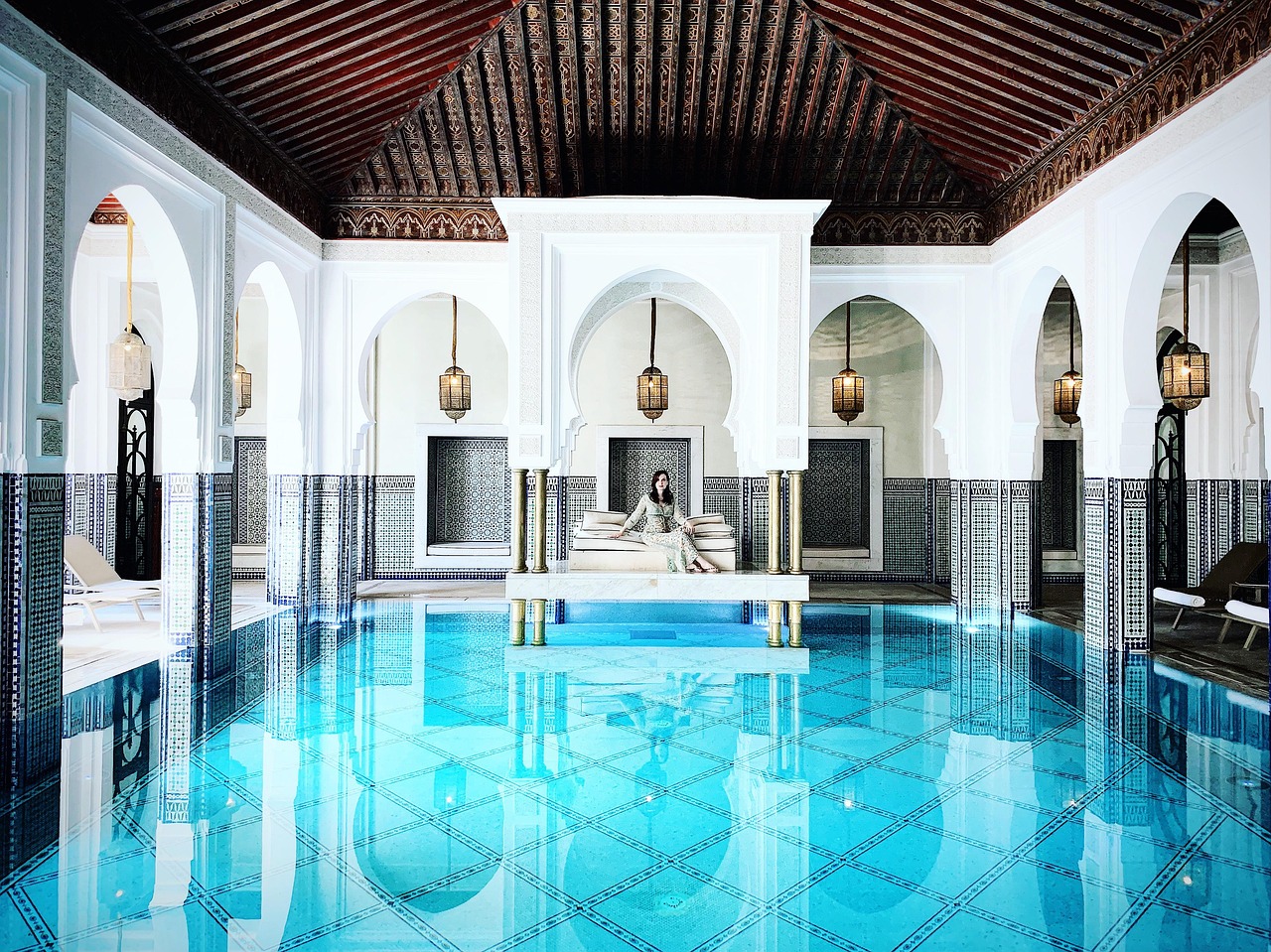
Reviving North African Beauty at Home: The Enchanting Hammam Experience
As members of the Maghrebi diaspora, we often find ourselves yearning for the comforts and traditions of our homeland. One such tradition that holds a special place in our hearts is the age-old practice of Hammam. This beloved ritual has been passed down through generations, and this blog post aims to guide you through recreating its magic at home.
The Origins of Hammam: A Brief Overview
Hammam, a traditional Arab bath, dates back thousands of years to the Ottoman Empire. Since then, it has become an integral part of North African culture, with each region offering its unique twist on this timeless practice.
The Hammam experience encompasses body exfoliation, steam bathing, and massage – all aimed at cleansing, rejuvenating, and revitalizing the mind, body, and spirit. This ritual not only serves as a beauty treatment but also fosters social connections within communities, providing a space for bonding, relaxation, and self-care.
Preparing Your Hammam Space: Creating an Inviting Atmosphere
To create an authentic Hammam experience at home, it’s essential to choose a quiet, secluded space that invites relaxation. Fill the room with calming scents such as lavender or rose, and consider adding soft music to enhance the ambiance.
Prepare your tools: a washbasin, a kessa (a traditional exfoliating glove), and argan oil for moisturizing. If you want to mimic the sauna-like environment of a professional Hammam, consider investing in a steam generator. Don’t forget to have a comfortable seating area or hammock ready for relaxation.
Before beginning your Hammam ritual, ensure that your skin is cleansed and free from impurities. This will help the exfoliating and moisturizing processes work more effectively, allowing you to achieve the best results.
Exfoliation: The First Step to Achieving Radiant Skin
Start by dousing your kessa with warm water, then apply a generous amount of black soap. Gently rub the kessa in circular motions on damp skin, focusing on areas like elbows, knees, and feet that tend to be prone to dryness.
Exfoliation not only removes dead skin cells but also stimulates blood circulation, promoting a radiant complexion. Be gentle with sensitive areas such as the face and décolleté, as these may require extra care and attention.
The Power of Steam: A Purifying Cleansing Experience
Sit in your prepared Hammam space and allow the steam to envelop you, opening up your pores for a deep cleanse. The steam will also help soften any remaining dirt or grime on your skin, allowing it to absorb moisture more effectively.
Stay in the steam bath for about 10-15 minutes, allowing your body to relax and detoxify. Drink plenty of water before and after the Hammam ritual to stay hydrated and support your body’s natural cleansing processes.
Massage: Soothing the Mind and Body
Following the steam bath, massage warm argan oil onto your body, paying special attention to areas prone to dryness or tension. This will not only hydrate your skin but also promote relaxation and stress relief, allowing you to unwind and recharge.
The massage is an opportunity to connect with yourself, letting go of any lingering worries and concerns. Allow yourself to fully relax, embracing the calming effects of the Hammam ritual.
Conclusion: Embracing the Hammam Ritual at Home
Recreating the magic of Hammam at home allows us to maintain a connection with our roots while nurturing ourselves and our wellbeing. Share this ancient tradition with friends and family, fostering shared experiences that strengthen bonds within our communities.
As you embark on your own Hammam journey, remember to cherish the simplicity and wisdom of our cultural heritage. By embracing these timeless practices, we can cultivate a deeper sense of self-care, community, and connection – all while celebrating the beauty and richness of North African culture.
You might also enjoy
Related Articles
- A Guide to North African Restaurants in Marseille: A Taste of Home for Maghrebi Diaspora
- Henna Tattooing in North Africa: A Modern Guide for the Maghrebi Diaspora
- Reviving Amazigh Culture in Morocco: A Guide for Diaspora
- Exploring North African Youth Culture through Moroccan Photography: A Visual Journey for the Maghrebi Diaspora
- Exploring the ‘St Tropez of North Africa’: Essaouira, Morocco – A Budget Travel Guide