Coptic, Nubian, and Berber Language Preservation: Struggles and Solutions in Egypt
Introduction
In the rich tapestry of languages that make up Africa, Egypt stands as a unique intersection of cultures. Among these diverse linguistic communities reside the Coptic, Nubian, and Berber populations, each with their distinct heritage and language. This article delves into the struggles and solutions in preserving these ancient languages within modern-day Egypt.
The Maghrebi diaspora shares a deep connection with these communities as they also grapple with language preservation in their respective homelands. For instance, the Amazigh people of North Africa have a rich cultural heritage, and their struggle to preserve their language is mirrored in the experiences of the Coptic, Nubian, and Berber populations.
Coptic Language: Echoes of Ancient Christianity
Historical Significance and Current Status
Coptic is the liturgical language of the Coptic Orthodox Church, with roots tracing back to the era of the Early Christians in Egypt. Once widely spoken, today it serves primarily as a religious language, with only around 100 native speakers remaining.
However, despite its limited use, Coptic remains an integral part of Egyptian heritage and culture. The younger generation, particularly those living in urban areas, tends to have limited proficiency in Coptic due to the dominance of Arabic in everyday life and education.
Preservation Efforts
The Coptic Orthodox Church is the primary institution involved in preserving the language, promoting its study through religious education and publications. Additionally, various non-governmental organizations, individual initiatives, and community-driven projects aim to revive interest in Coptic culture and language.
Efforts include the creation of educational materials, language courses, and cultural programs that celebrate Coptic heritage. For instance, the Coptic Museum in Cairo offers workshops and lectures on Coptic history, literature, and art, helping to raise awareness about the importance of preserving this ancient language.
Nubian Language: A Legacy of Ancient Civilizations
Historical Significance and Current Status
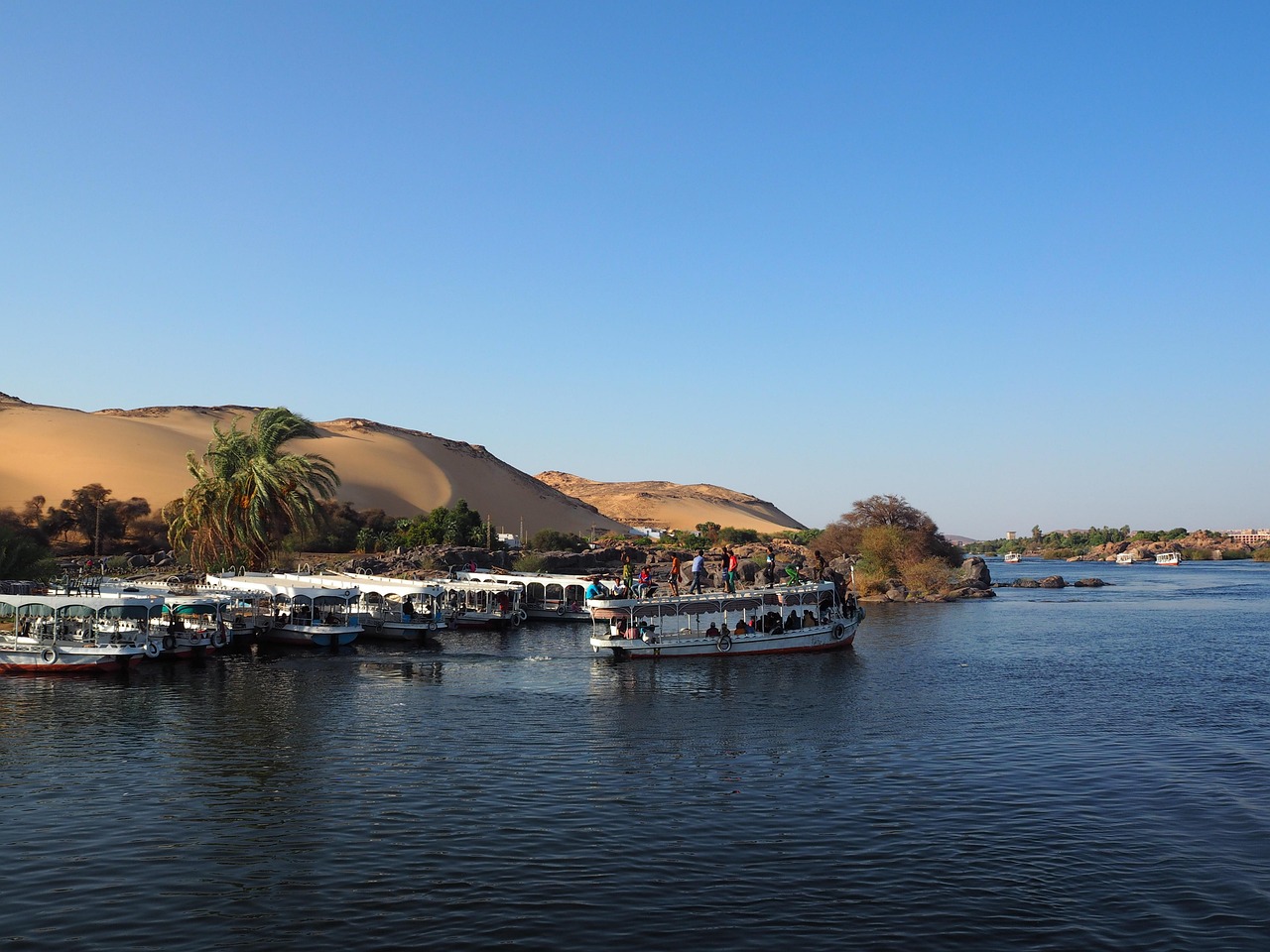
Nubia, located along the Nile River, was home to various ancient civilizations, including the Kerma, Napata, and Meroitic cultures. Today, there are two main Nubian dialects: Northern and Southern, each with unique phonetic, grammatical, and lexical features.
Nubian languages have been overshadowed by Arabic due to the shift in demographic patterns, urbanization, and educational policies that favor Arabic over minority languages. As a result, many young Nubians are not fluent in their native dialects, and these languages risk becoming endangered unless immediate action is taken.
Preservation Efforts
Efforts to preserve Nubian languages are largely centered around literacy programs, radio broadcasts, and community-based initiatives. The government of Egypt has also supported the documentation and research of these languages in recent years, acknowledging their importance as part of Egyptian cultural heritage.
Additionally, non-governmental organizations have launched initiatives to promote Nubian language and culture, such as the establishment of language schools and cultural centers. These efforts aim to revitalize interest in Nubian traditions and preserve this rich linguistic heritage for future generations.
Berber Language: Bridges Between North Africa and Egypt
Historical Significance and Current Status
The Berbers, also known as Amazigh, are an indigenous ethnic group that inhabits various regions in North Africa. They have close cultural ties to the population of Siwa Oasis in Egypt.
Like other minority languages in Egypt, Berber faces pressure from Arabic and limited opportunities for its use and development. The Berber community in Egypt has developed informal networks to preserve their language and culture, but there is a need for more formal support from the government and educational institutions to promote Berber studies and create opportunities for its use.
Preservation Efforts
Berber communities in Egypt have developed informal networks to preserve their language and culture. However, there is a need for more formal support from the government and educational institutions to promote Berber studies and create opportunities for its use.
The establishment of Berber language schools, cultural centers, and community-based initiatives could help revitalize interest in Berber traditions and preserve this rich linguistic heritage for future generations.
Collaboration Across Borders
The struggles faced by Coptic, Nubian, and Berber communities in Egypt are mirrored in the experiences of other minority language groups in North Africa. Collaborative efforts between these communities, as well as with the Maghrebi diaspora, can help strengthen advocacy for language preservation and provide mutual support.
By working together, we can amplify our voices and push for greater recognition and support for these ancient languages. This collaborative approach can also facilitate knowledge sharing, cultural exchange, and the development of new initiatives that benefit all parties involved.
Conclusion
The preservation of Coptic, Nubian, and Berber languages in Egypt is a complex endeavor that requires concerted efforts from various stakeholders. Government support, educational reforms, and community-driven initiatives are essential to safeguard these ancient linguistic treasures.
As members of the Maghrebi diaspora, we can play a role in fostering collaboration and solidarity with our counterparts in Egypt who share similar struggles. By supporting their efforts, we contribute to the preservation of our collective heritage and diversity.
You might also enjoy
Related Articles
- Reviving Egypt’s Endangered Languages: A Focus on Copts, Nubians, and Berbers
- Reviving Traditional Berber Cuisine for Yennayer 2026: A Culinary Journey Back Home
- In Search of China-Algeria Youth Cultural Ambassadors: Final Selection and Awards Ceremony in Algiers
- Revitalizing Cultural Tourism: Weekly Performances at Bab Boujloud, Fez
- Exploring Visual Art & Cultural Production in the Middle East and North Africa: A Journey through Time for the Maghrebi Diaspora