Tracing Ibn Khaldun’s Footsteps: A Journey Through the Maghreb and Al-Andalus
Welcome, dear readers of the Maghrebi diaspora! As we embark on this enlightening journey through time and space, let us delve into the life and works of one of North Africa’s most illustrious intellectuals: Ibn Khaldun. We will explore his travels across the Maghreb and Al-Andalus, tracing the footsteps of this remarkable scholar who has left an indelible mark on history.
The Life and Times of Ibn Khaldun
Born in 1332 in Tunisia, Abū Zayd ‘Abd al-Raḥmān b. Muḥammad ibn Khaldūn, commonly known as Ibn Khaldun, was a polymath who excelled in various fields, including history, sociology, philosophy, and economics. His most famous work, the Muqaddimah, serves as an encyclopedic introduction to history and social science.
Ibn Khaldun’s life was marked by political upheaval and personal hardship, as he navigated various courtly environments throughout his career. He served as a judge, an advisor to sultans, and even spent time in prison for his outspoken opinions. These experiences not only honed his intellectual prowess but also influenced the themes of social dynamics, power struggles, and the human condition that permeate his writings.
Despite these challenges, Ibn Khaldun’s intellectual curiosity was unmatched. His work on history, social dynamics, and the cyclical nature of civilizations remains influential to this day, offering valuable insights into the complexities of human societies and the importance of understanding historical context.
Ibn Khaldun’s Journey Through the Maghreb
Throughout his life, Ibn Khaldun traveled extensively across the Maghreb, chronicling his observations and experiences in his writings. His journeys took him to Tangier, Fez, Marrakesh, Algiers, Tunis, and Constantine, among other cities. In each city, he engaged with local scholars, administrators, and artisans, absorbing their knowledge and contributing his own insights.
As Ibn Khaldun traversed the Maghreb, he documented the social structures, political systems, and economic conditions of each region. He noted the cultural practices, architectural wonders, and intellectual traditions that characterized life in this era. His observations offer a nuanced portrait of life in the Maghreb during his time, revealing both the beauty and complexity of human societies.
Ibn Khaldun’s travels also served as an opportunity for him to conduct firsthand research for his groundbreaking work, the Muqaddimah. He meticulously gathered data on various aspects of society, from governmental institutions and military strategies to cultural practices and religious beliefs. His attention to detail and commitment to accuracy have made his work a cornerstone of historical inquiry.
Ibn Khaldun’s Sojourn in Al-Andalus
In 1403, Ibn Khaldun journeyed to Granada, the last Muslim stronghold in Al-Andalus. He was appointed as the chief judge by the Nasrid sultan Muhammad V and served in this capacity until his death in 1406. During his time in Al-Andalus, Ibn Khaldun continued to document the social and cultural life of the region.
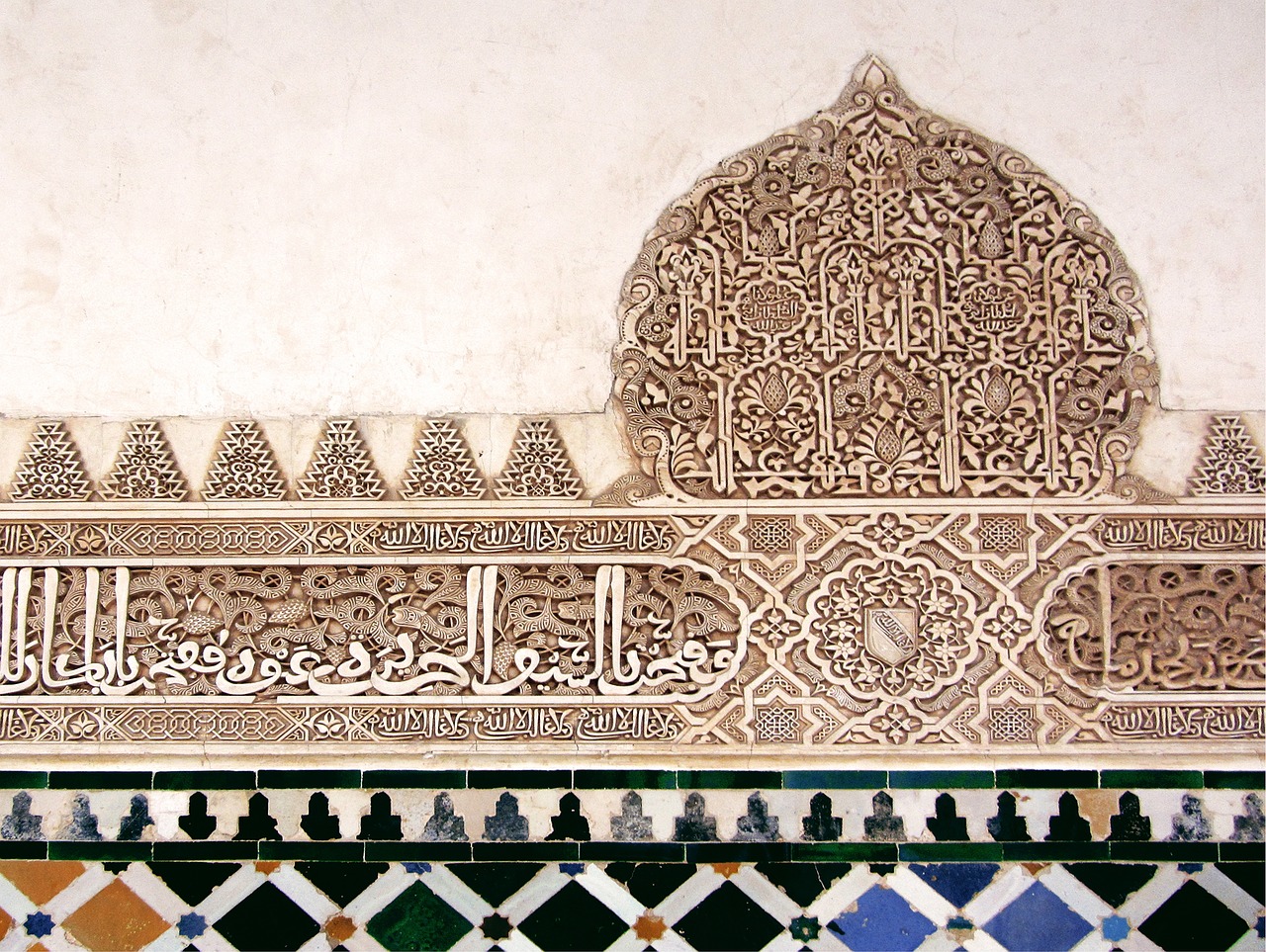
Ibn Khaldun was particularly impressed by Granada’s advanced irrigation systems, architectural wonders, and vibrant intellectual community. He noted the city’s rich cultural heritage, including its Islamic art, literature, and philosophical traditions. His experiences in Al-Andalus further shaped his understanding of history and the cyclical nature of civilizations.
Ibn Khaldun’s observations of the decline of Muslim rule in Spain led him to develop his theory of ‘ascendancy,’ which posits that societies rise and fall based on their ability to maintain social cohesion. This idea has had a lasting impact on historical thought, influencing scholars across the globe.
Ibn Khaldun’s Legacy
Ibn Khaldun’s contributions to history, sociology, philosophy, and economics have had a lasting impact. His theories continue to be studied and debated by scholars across the globe. Moreover, his works serve as a testament to the intellectual vibrancy of the Maghreb and Al-Andalus during the Middle Ages.
As members of the Maghrebi diaspora, we can draw inspiration from Ibn Khaldun’s life and work. By embracing our rich cultural heritage and engaging with the intellectual traditions of our forebears, we can forge a strong connection to our roots.
Whether through reading his works, visiting the cities he traversed, or engaging in scholarly discussions about his ideas, there are countless ways to connect with Ibn Khaldun today. Let us continue his legacy by pursuing knowledge, fostering intellectual curiosity, and striving for social progress.
You might also enjoy
Related Articles
- Unveiling Ibn Khaldun’s Journey through Maghreb and Al-Andalus: A New Biography
- Travel Advisory for a Safe Journey Within the MENA Region: A Comprehensive Guide for Maghrebi Diaspora Readers
- Savoring Amy Dell’s Saturday Sauce, Deli Food, and Tunisian Tuna Toast: A Culinary Journey for the Maghrebi Diaspora
- Celebrating Ramadan with Traditional Tunisian Desserts: A Delicious Journey for the Maghrebi Diaspora
- Exploring North African Youth Culture through Moroccan Photography: A Visual Journey for the Maghrebi Diaspora