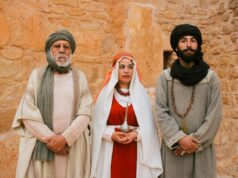
Exploring Morocco’s Amazigh Revival: Identity and Cultural Heritage
Welcome to this journey of discovery, dear readers! As we delve into the profound and captivating story of Morocco’s Amazigh revival, let us embark on an educational and enlightening exploration that celebrates the rich cultural heritage and identity of the indigenous Amazigh people. For generations, their roots have run deep in North Africa, predating Arab and Islamic influences. The Amazigh, also known as Berbers, have a long-standing history dating back to ancient times, with their language – Tamazight – being one of the oldest in the world.
Throughout history, the Amazigh people have faced various challenges and periods of marginalization. However, the 20th century marked a significant turning point, with the emergence of movements advocating for the recognition and preservation of their cultural identity. This momentum gained traction in Morocco during the late 1970s and early 1980s, following the country’s adoption of a new constitution that granted official status to Tamazight as one of the country’s national languages.
The Roots of the Amazigh Revival
The Amazigh people have a long history of resilience and perseverance in the face of adversity. Despite facing numerous challenges, they have continued to preserve their cultural heritage and language. In recent years, there has been a concerted effort to recognize and celebrate this rich cultural identity.
This revival has seen significant progress in various areas, including education, art, and politics. For instance, Tamazight is now taught as a compulsory subject in schools across the country, and efforts are underway to develop bilingual education programs that cater to both Amazigh and Arabic-speaking students. Moreover, Tamazight language resources have expanded significantly, with numerous dictionaries, textbooks, and publications now available.
The Evolution of Amazigh Language Education
One key aspect of the Amazigh revival has been the advancement of language education. In recent years, there has been a concerted effort to integrate Tamazight into Morocco’s educational system. Today, Tamazight is taught as a compulsory subject in schools across the country, and efforts are underway to develop bilingual education programs that cater to both Amazigh and Arabic-speaking students.
These initiatives aim to preserve and promote the rich linguistic heritage of the Amazigh people. Moreover, they serve not only to educate the younger generation but also to foster a sense of cultural identity and belonging among Amazigh communities.
The Artistic Expression of Amazigh Identity
Art and culture have played a crucial role in the revival of Amazigh identity. From music and poetry to traditional crafts, various artistic expressions serve as vehicles for preserving and showcasing Amazigh heritage. One example is Aissawa music, a genre that originated among the Amazigh communities of the Middle Atlas region. This spiritual and rhythmic form of music has gained international recognition and serves as an important symbol of Amazigh identity.
Another example can be found in traditional crafts such as weaving, pottery, and jewelry-making. These artisanal skills have been passed down through generations, and contemporary artists continue to revive and innovate these practices while maintaining their cultural significance.
The Political Landscape of Amazigh Rights
Political advocacy has also been a crucial component of the Amazigh revival. Organizations such as the Amazigh Kinguistry movement and the Amazon Association for Human Rights (ADH) have been instrumental in promoting Amazigh rights and pushing for greater representation within Moroccan politics.
In recent years, the Moroccan government has taken steps to address some of the concerns raised by these organizations. For example, the creation of regional Amazigh language academies and the establishment of an Amazigh advisory council demonstrate a commitment to promoting and protecting Amazigh culture and identity.
The Future of the Amazigh Revival
The Amazigh revival is an ongoing movement that continues to evolve and adapt. As we look ahead, it’s essential to recognize the significant progress made in recent years while acknowledging the challenges that still lie ahead.
One key challenge is ensuring that the Amazigh language maintains its vitality within a rapidly changing global landscape. This requires ongoing efforts to develop resources, promote education, and foster cultural exchange.
Another challenge is addressing the socio-economic disparities faced by many Amazigh communities. Efforts to improve access to education, employment opportunities, and healthcare are essential for ensuring a sustainable future for the Amazigh people.
Call to Action
As members of the Maghrebi diaspora, we have an opportunity and responsibility to support and engage with the ongoing Amazigh revival. This may involve learning more about Tamazight language and culture, advocating for Amazigh rights, or supporting organizations that work towards these goals.
By doing so, we not only contribute to the preservation and celebration of Morocco’s rich cultural heritage but also help foster a more inclusive and diverse society that values and respects all of its citizens. Let us join hands in this effort to promote understanding, unity, and cooperation among Amazigh communities around the world.
You might also enjoy
Related Articles
- Exploring Amazigh Culture in Morocco: Revival and Identity Shift
- Unveiling the Judeo-Amazigh Cultural Substratum in North Africa: A Deep Dive for Maghrebi Diaspora Readers
- Exploring the ‘St Tropez of North Africa’: Essaouira, Morocco – A Budget Travel Guide
- Reviving Amazigh Culture in Morocco: A Guide for Diaspora
- Exploring the ‘Beurcore’ Movement: Navigating Fashion, Culture, and Identity