Managing Halal Food Stocks During Ramadan: An Expert Guide for Maghrebi Diaspora Readers
Welcome to our comprehensive guide on managing Halal food stocks during the holy month of Ramadan. As members of the Maghrebi diaspora, we understand the importance of maintaining tradition while navigating new environments. This guide is designed to provide valuable insights and tips to help you manage your Halal food inventory effectively.
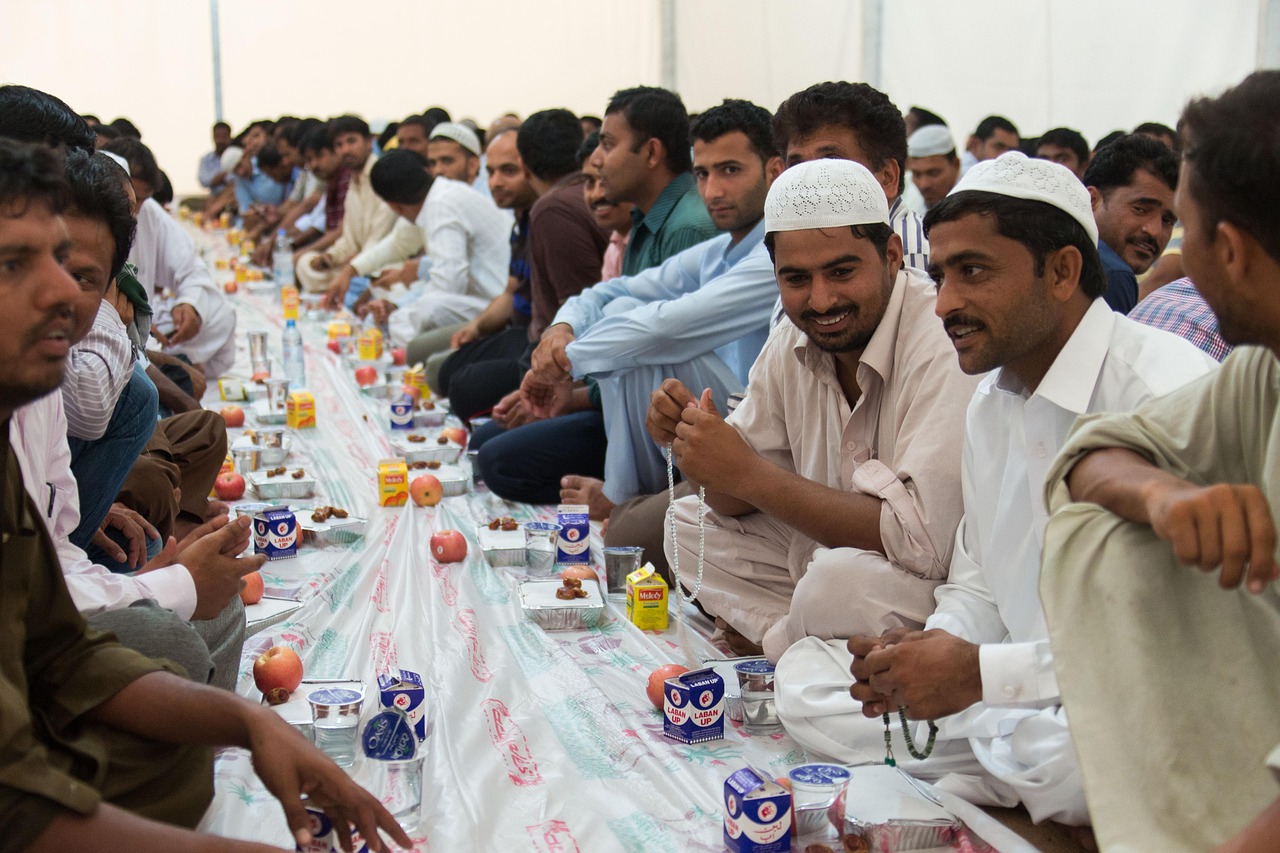
As we embark on this sacred journey together, it’s crucial to assess your family’s or community’s needs during Ramadan. Consider factors such as the number of individuals to cater for, dietary preferences, and meal frequency. This will help you determine the right quantity and variety of Halal food products needed.
For instance, if you’re hosting Iftar gatherings or Suhoor meals with friends and neighbors, you may need to adjust your inventory accordingly. Coordinating with others can help reduce overall costs and ensure a more efficient use of resources. Perhaps you have a friend who’s an excellent cook and is willing to share some of their favorite recipes with you.
Additionally, consider using inventory management software to keep track of your stock levels. This will enable you to make informed decisions about purchases, minimize waste, and avoid running out of essential items during the fasting period. You can also use this tool to monitor your expenses and adjust your budget accordingly.
Understanding Your Inventory Needs
To start, it’s crucial to assess your family’s or community’s needs during Ramadan. Consider factors such as the number of individuals to cater for, dietary preferences, and meal frequency. This will help you determine the right quantity and variety of Halal food products needed.
For example, if you have a large family or are hosting Iftar gatherings, you may need to stock up on staple items like dates, nuts, and dried fruits. On the other hand, if you’re catering to specific dietary needs, such as gluten-free or vegan options, you’ll want to ensure that your inventory includes suitable alternatives.
Take into account any food allergies or intolerances within your household or community. This will help you avoid accidents and ensure that everyone has access to safe, Halal-certified meals during Ramadan.
Shopping Strategies for Ramadan
Effective shopping strategies can help save time, money, and stress during Ramadan. Plan your weekly or bi-weekly grocery trips wisely by making a list of necessary items and sticking to it.
Take advantage of bulk discounts when available, but remember not to buy more than you need to avoid waste. You can also consider shopping at ethnic food stores that cater specifically to the Maghrebi community for a wider selection of Halal products.
Lastly, don’t forget to stock up on essentials like dates, water, and other traditional Ramadan foods like harissa, couscous, and dried fruits. These items are often in high demand during the month and can be more expensive when bought closer to Iftar.
Proper Food Storage During Ramadan
Proper food storage is essential for maintaining the quality and safety of your Halal food inventory. Store perishable items in refrigerators, freezers, or cold rooms as needed to prevent spoilage.
Utilize airtight containers to keep dry goods fresh. Place opened bags of rice, flour, or spices in resealable bags to minimize exposure to air and moisture.
Keep an eye on expiration dates and discard items that have passed their due date. Regularly check your inventory for any signs of mold, insects, or other contaminants and remove affected products promptly.
Preparing Halal Meals Efficiently
Meal preparation during Ramadan can be time-consuming, but there are ways to streamline the process.
Batch cooking is a useful technique that involves preparing large quantities of meals in advance. This can save you time and effort during the fasting hours when energy levels may be low.
Utilize freezer-friendly containers and label each dish with its ingredients, cooking instructions, and date prepared for easy reference later on.
Managing Food Waste During Ramadan
Food waste is an unfortunate reality during Ramadan. To minimize waste, plan your meals carefully to avoid excess food preparation. Portion control can also help reduce leftovers and ensure that everyone gets a fair share.
Leftover food can be repurposed into new dishes or frozen for future use. Consider composting organic waste instead of sending it to landfill, as this is both eco-friendly and beneficial for your garden or plants if you have any.
Encourage your family members or community to participate in reducing food waste during Ramadan. This shared responsibility can help create a more sustainable and efficient environment.
Conclusion: Embracing Efficiency During Ramadan
Managing Halal food stocks effectively during Ramadan is essential for maintaining tradition, preserving the quality of your meals, and ensuring that everyone in your community has their needs met. By employing these tips, you can make the most of this holy month while enjoying delicious, Halal-certified meals with loved ones.
We hope this guide has been helpful for our Maghrebi diaspora readers. Share your own tips and experiences in the comments below, and remember to continue embracing the joy and spirituality of Ramadan while prioritizing efficiency and sustainability in your food management practices.
You might also enjoy
Related Articles
- Paris Baguette Singapore: A Comprehensive Guide to Their New Halal-Certified Outlets for Maghrebi Diaspora Readers
- Understanding Harissa: A Comprehensive Guide for Maghrebi Diaspora Readers
- Ramadan Recipe: Easy Tunisian Stuffed Olives – A Taste of Home for Maghrebi Diaspora
- The Evolution of Halal Skincare in the Booming Beauty Industry: A Journey for Maghrebi Diaspora
- A Guide to North African Restaurants in Marseille: A Taste of Home for Maghrebi Diaspora