Exploring Judeo-Amazigh Cultural Substratum: An Integrated Analysis of North African Ethno-Religious Synthesis
Welcome to this captivating journey into the world of Judeo-Amazigh cultural substratum, where Jewish and Berber (Amazigh) cultures have been intertwined for centuries. As we delve into this fascinating topic, we’ll explore the historical context that has shaped this unique synthesis, from the early days of Jewish settlement in North Africa to the present day.
The Historical Context: Jews in North Africa
Jews have been an integral part of North African society since ancient times. They arrived in Egypt during Pharaonic rule and remained there even after the destruction of the First Temple in Jerusalem by Nebuchadnezzar II in 586 BCE, which led to a significant Jewish diaspora.
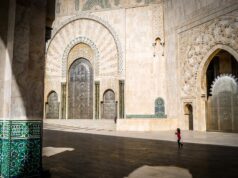
The Middle Ages saw North Africa emerge as a major center for Jewish learning, with cities like Fez, Marrakesh, and Tunis becoming hubs of intellectual activity. The region’s rich cultural mix is evident in the synagogues that still stand today, which often blend Islamic and Jewish architectural styles.
However, the rise of Islam and subsequent Arab conquest in the 7th century led to significant changes in the religious landscape. Many Jews converted to Islam, although a substantial number continued to practice Judaism in secret, often leading double lives to avoid persecution.
The Berber (Amazigh) Presence
The Berbers, also known as Amazigh, are an ethnic group indigenous to North Africa, with a history dating back over 5,000 years. Despite being overshadowed by the Arab conquest and subsequent Islamic expansion, the Amazigh culture has remained vibrant, especially in remote mountainous regions.
The Amazigh language, Tamazight, has been written in various scripts, including the Libyan, Tuareg, and Tifinagh alphabets. The development of these scripts reflects the Berbers’ resilience and adaptability in the face of cultural shifts.
It is essential to note that Amazigh identity is not solely defined by language but also by shared customs, beliefs, and a strong sense of community. This cultural richness has contributed significantly to the Judeo-Amazigh cultural substratum.
The Synthesis: Judeo-Amazigh Cultural Interaction
Over centuries, interactions between Jews and Berbers have led to a unique synthesis of cultures. This can be seen in various aspects of life, including language, music, folklore, and cuisine. For instance, Judeo-Amazigh dialects are spoken by some Jewish communities in Morocco and Algeria.
These dialects incorporate both Hebrew and Tamazight words, reflecting the blending of the two cultures. Musically, Jewish and Berber traditions have often intertwined, with instruments, rhythms, and melodies shared between the two communities. This fusion can be heard in genres like chaabi, gnawa, and raï.
Religious Syncretism: The Kabbalah and Sufism
The religious syncretism between Judaism and Sufism (a mystical form of Islam) is another fascinating aspect of the Judeo-Amazigh cultural substratum. Both Kabbalah, a form of Jewish mysticism, and Sufi thought emphasize the interconnectedness of all things and the pursuit of divine knowledge.
This shared philosophical ground has facilitated dialogue and mutual understanding between Jewish and Sufi communities. In some cases, this syncretism has led to the creation of unique religious practices. For example, the Bnei Ishak, a Moroccan Jewish sect, incorporates elements of Sufi spirituality in their rituals.
Preservation and Revival: The Future of Judeo-Amazigh Culture
As we explore the rich tapestry of Judeo-Amazigh cultural substratum, it is crucial to consider its future. Many Jewish communities in North Africa have faced challenges, including emigration and assimilation.
However, there are signs of revival. Efforts to document, preserve, and promote the region’s Jewish heritage are underway, both by local organizations and international initiatives. Similarly, the Berber language and culture are gaining recognition, with Tamazight being recognized as an official language in Morocco since 2011.
As members of the Maghrebi diaspora, it is our responsibility to engage with this heritage, learn from it, and support its preservation. By doing so, we can ensure that the unique Judeo-Amazigh cultural substratum continues to enrich our collective identity for generations to come.
You might also enjoy
Related Articles
- Exploring Moroccan Jewish Culture: A Comprehensive Ethnographic Analysis
- Exploring Visual Art & Cultural Production in the Middle East and North Africa: A Journey through Time for the Maghrebi Diaspora
- Exploring the Cultural Identity of Maghrebi Diaspora in France – Analysis
- Exploring Moroccan Jewish Heritage Through Ethnographic Photography
- Unveiling Moroccan Jewish Culture: An Ethnographic Analysis of Traditions