Moroccan Jewish Cuisine: A Culinary Journey through Ethnographic Lens
Welcome to this delectable journey through the rich and diverse culinary tradition of Moroccan Jewish cuisine! As we delve into the flavors, ingredients, and cultural influences that shape this unique culinary heritage, we’ll explore how it has evolved over time, reflecting the history and heritage of the Moroccan Jewish community.
Origins and Evolution
The origins of Moroccan Jewish cuisine can be traced back thousands of years to the Phoenician, Roman, and Berber settlers who inhabited North Africa. As these cultures merged with the arrival of Sephardic Jews expelled from Spain in 1492, followed by the Mizrahi Jewish communities from the Middle East and North Africa, a captivating fusion of flavors emerged.
This culinary legacy was shaped by the historical context of Morocco’s strategic location at the crossroads of trade routes, which brought together ingredients, techniques, and influences from Arabic, Berber, Andalusian, and Mediterranean cuisines. Moroccan Jewish cooking emphasizes the use of fresh, locally-sourced ingredients, spices, and preservation techniques, creating a symphony of tastes that remains unparalleled.
Throughout history, Moroccan Jewish cuisine has evolved to reflect the changing social, economic, and political landscape. While maintaining its unique identity, it has adapted to the availability of ingredients and the influences of neighboring cultures, making it a testament to the resilience and adaptability of the Jewish community in Morocco.
Key Ingredients
Moroccan Jewish cuisine is renowned for its use of fresh herbs, spices, and exotic ingredients. Some key components include cumin, coriander, saffron, paprika, preserved lemons, olives, harissa, and Argan oil.
The emphasis on fresh produce means that seasonal fruits and vegetables play a significant role in Moroccan Jewish dishes. These may include carrots, turnips, potatoes, eggplant, zucchini, and various citrus fruits. The vibrant colors and aromas of these ingredients add depth and variety to the culinary landscape.
Meats such as lamb, beef, chicken, and fish are also essential components of the diet, often cooked with a variety of spices to create flavorful stews and tagines. The rich flavors of these dishes are a testament to the community’s love for hearty, comforting meals that bring people together.
Traditional Dishes
Savoring the flavors of Moroccan Jewish cuisine is a treat for the senses! Some popular dishes include Chicken Pastilla, Harissa-spiced Meatballs (Kefta), B’stilla, and Couscous with Seven Vegetables. Each dish offers a unique window into the community’s culinary heritage.
Chicken Pastilla is a flaky, multi-layered pastry filled with chicken, almonds, and aromatic spices. Harissa-spiced Meatballs are tender meatballs infused with the fiery flavors of harissa, a chili paste common in North African cuisine. These dishes showcase the community’s love for bold flavors and textures.
B’stilla is a complex dish made from layers of crispy pastry, chicken, spices, and almonds. Couscous with Seven Vegetables is a vegetarian delight that showcases the freshness and variety of Moroccan produce. These dishes demonstrate the community’s appreciation for simple yet satisfying meals.
Ceremonial Breads and Pastries
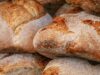
Bread plays an essential role in Moroccan Jewish cuisine, with various traditional recipes passed down through generations. Some notable examples include M’smen (a layered flatbread), Khubz (round bread), and Baghrir (a crepe-like pancake). These breads serve as the foundation for many meals and are often enjoyed with family and friends.
For special occasions and holidays, elaborate pastries are prepared to celebrate the joyous moments shared by the community. One such example is M’hanncha, a spiral-shaped pastry filled with almond paste that resembles a snake. These sweet treats add an element of whimsy and delight to celebrations.
Preserving Cultural Heritage
As Moroccan Jewish communities continue to evolve and disperse around the world, it is essential to preserve and celebrate this rich culinary heritage. By sharing recipes, traditions, and stories, we can ensure that future generations will appreciate and embrace the unique flavors and values of Moroccan Jewish cuisine.
We invite you to explore, learn, and enjoy the delights of Moroccan Jewish cuisine. By doing so, you become part of a centuries-old tradition that unites us all in our shared love for food, culture, and human connection. Join us on this culinary journey as we celebrate the diversity and richness of Moroccan Jewish cuisine!
You might also enjoy
Related Articles
- Exploring Moroccan Jewish Culture Through an Ethnographic Lens – Analysis
- Exploring Moroccan Jewish Culture Through an Ethnographic Lens – An In-Depth Analysis
- Reviving Traditional Berber Cuisine for Yennayer 2026: A Culinary Journey Back Home
- Exploring Moroccan Jewish Heritage Through Ethnographic Photography
- Unveiling Moroccan Jewish Culture: An Ethnographic Analysis of Traditions