Tracing the Enduring Legacy of Al-Andalus in North African Art, Music, and Architecture
The rich cultural heritage of Al-Andalus continues to influence the art, music, and architecture of contemporary North Africa. For over seven centuries, from the 8th to the 15th century, Al-Andalus referred to the Islamic kingdoms that flourished in the Iberian Peninsula during this period. As a result of its political, cultural, and economic exchanges with neighboring North African regions, the influence of Al-Andalus can still be observed in Morocco, Tunisia, Algeria, and Libya.
Artistic Exchanges: A Tapestry of Influences
The artistic collaboration between Al-Andalus and North Africa produced a unique blend of styles that can be seen in various art forms such as ceramics, metalwork, calligraphy, and textiles. This exchange was facilitated by the constant flow of scholars, artisans, and merchants between both regions.
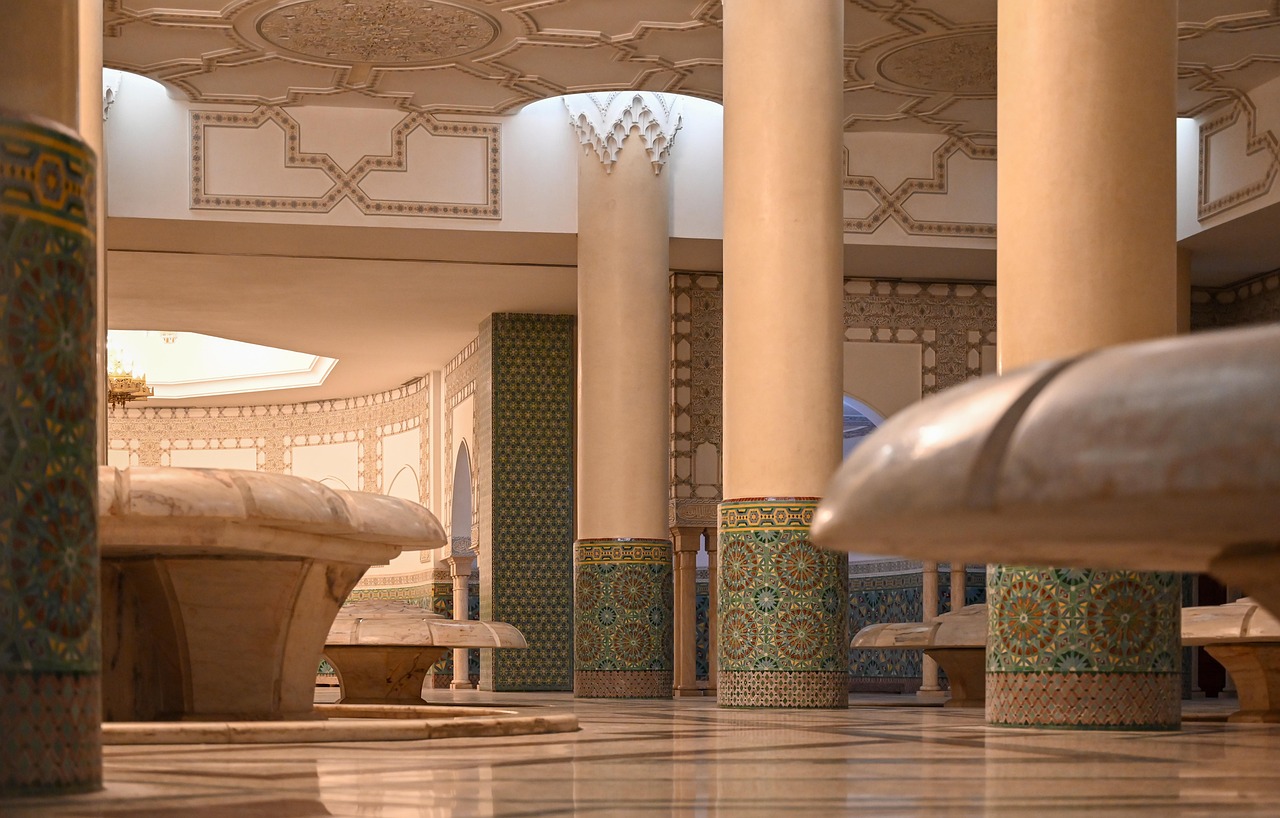
One striking example is the Marinid dynasty’s intricate zellige tilework, which adorns many buildings throughout Morocco. This technique originated in Al-Andalus and was brought to North Africa by Muslim scholars and artisans during the 13th and 14th centuries. The zellige tiles are characterized by their vibrant colors, geometric patterns, and Islamic calligraphy.
Similarly, the distinctive Islamic calligraphy used in both regions shares a common visual language and is characterized by its elegance, complexity, and spiritual significance. This artistic exchange not only enriched the cultural heritage of each region but also fostered a sense of unity among Muslim communities across the Mediterranean. The calligraphic traditions of Al-Andalus are still celebrated today through the work of contemporary artists like Hassan Hajjaj, who merges elements of Andalusian and Maghrebi culture in his vibrant photographic works.
Melodious Connections: Music and Poetry
The musical traditions of Al-Andalus have left an indelible mark on North African music, particularly in Andalusian classical music (Al-Andalusiya) and its modern derivatives. The oud (lute), rabab (spike fiddle), and qraqeb (castanets) are shared between both regions, while traditional musical forms like Al-Andalusiya’s muwashshahat poetry and its North African counterpart, Malhun, share similar poetic structures and themes.
The Andalusian Orchestra of Tarifa, based in southern Spain, has been instrumental in preserving these musical traditions and promoting cultural exchange between Spain and North Africa. The orchestra’s performances often feature a blend of traditional Andalusian instruments and modern elements, reflecting the evolving nature of this rich cultural heritage.
Architectural Harmony: Palaces, Mosques, and Fortresses
The architectural legacy of Al-Andalus can be seen in many iconic North African structures like the Koutoubia Mosque and Bahia Palace in Marrakech. Both buildings display a striking blend of Andalusian, Moorish, and indigenous Maghrebi architectural elements.
The Koutoubia Mosque’s iconic minaret, for example, shares similarities with the Giralda tower in Seville, Spain. The intricate decorative elements, elaborate courtyards, and defensive structures characteristic of both Al-Andalus and North Africa are a testament to the enduring architectural legacy of this shared cultural heritage.
Reviving a Shared Legacy: Cultural Preservation and Revitalization
- Restoration Projects: Organizations such as the World Monuments Fund have worked on the preservation of Al-Andalus’ architectural legacy in North Africa, including the restoration of the Koutoubia Mosque and the Ait Ben Haddou Kasbah.
- Festivals and Events: Cultural festivals like Fes Festival of World Sacred Music and the Marrakech Biennale celebrate the shared cultural heritage between Al-Andalus and North Africa, fostering an appreciation for this rich legacy among local communities and visitors alike.
- Artistic Collaborations: Artists from both regions collaborate to create works that reflect and celebrate their shared history. Hassan Hajjaj’s vibrant photographic works, for example, merge elements of Andalusian and Maghrebi culture in a celebration of this rich cultural heritage.
Join the Journey: Embracing Our Shared Legacy
As we delve deeper into understanding our shared cultural heritage, let us remember that the legacy of Al-Andalus serves as a powerful reminder of the unity and cooperation between Muslim communities across the Mediterranean. By celebrating this rich history, we can foster mutual respect, collaboration, and appreciation for each other’s diverse cultures.
This shared cultural heritage is not only a testament to the enduring power of art, music, and architecture but also a symbol of the strong bonds that unite us as human beings. As we continue to explore and celebrate this rich legacy, let us strive to build bridges between our communities, fostering greater understanding, cooperation, and mutual respect.
You might also enjoy
Related Articles
- Exploring the Legacy of Al-Andalus in North Africa: A Cultural Journey for Maghrebi Diaspora Readers
- Anticipating the North Africa Eclipse of 2027: A Comprehensive Guide for the Maghrebi Diaspora
- Highlighting ‘Beurcore’ Culture Through Art and Storytelling: A Spotlight on Sara Sadik
- Discovering North African Cuisine in Marseille: A Culinary Journey for Maghrebi Diaspora
- Exploring the Culture of the Amazigh People in ‘Welcome to 2976