Reviving Egypt’s Endangered Languages: A Focus on Copts, Nubians, and Berbers
Egypt, a tapestry of cultures and languages woven together over thousands of years, is home to numerous indigenous communities that have played a significant role in shaping its history and identity. However, these languages are facing extinction as they struggle against the dominance of Arabic and English. As we navigate this complex cultural landscape, it’s essential to acknowledge the significance of preserving Egypt’s endangered languages – Coptic, Nubian, and Berber – for future generations.
The Copts: The Indigenous Christians of Egypt
The Coptic community, the indigenous Christian population in Egypt, has its roots firmly planted in ancient Egyptian soil. Their language, Coptic, evolved from the Egyptian language and served as the liturgical language of the Coptic Orthodox Church for centuries. With a rich history dating back to the 4th century AD, Coptic is an ancient language with a complex script that has been largely phased out in daily life.
Today, only about 20% of the Copts can read and write Coptic, making it one of Egypt’s most endangered languages. Efforts are underway to integrate Coptic into schools’ curricula, promote its use in religious ceremonies, and create digital platforms for learning. This revival is crucial not just for the Coptic community but also for Egypt as a whole, as preserving this ancient language helps maintain the country’s cultural diversity and fosters a deeper understanding of its history.
From the ancient hieroglyphics to modern-day worship services, Coptic has played a significant role in Egyptian culture. By reviving this language, we can connect with our heritage and honor the sacrifices made by those who came before us.
Nubians: A Bridge Between Africa and the Middle East
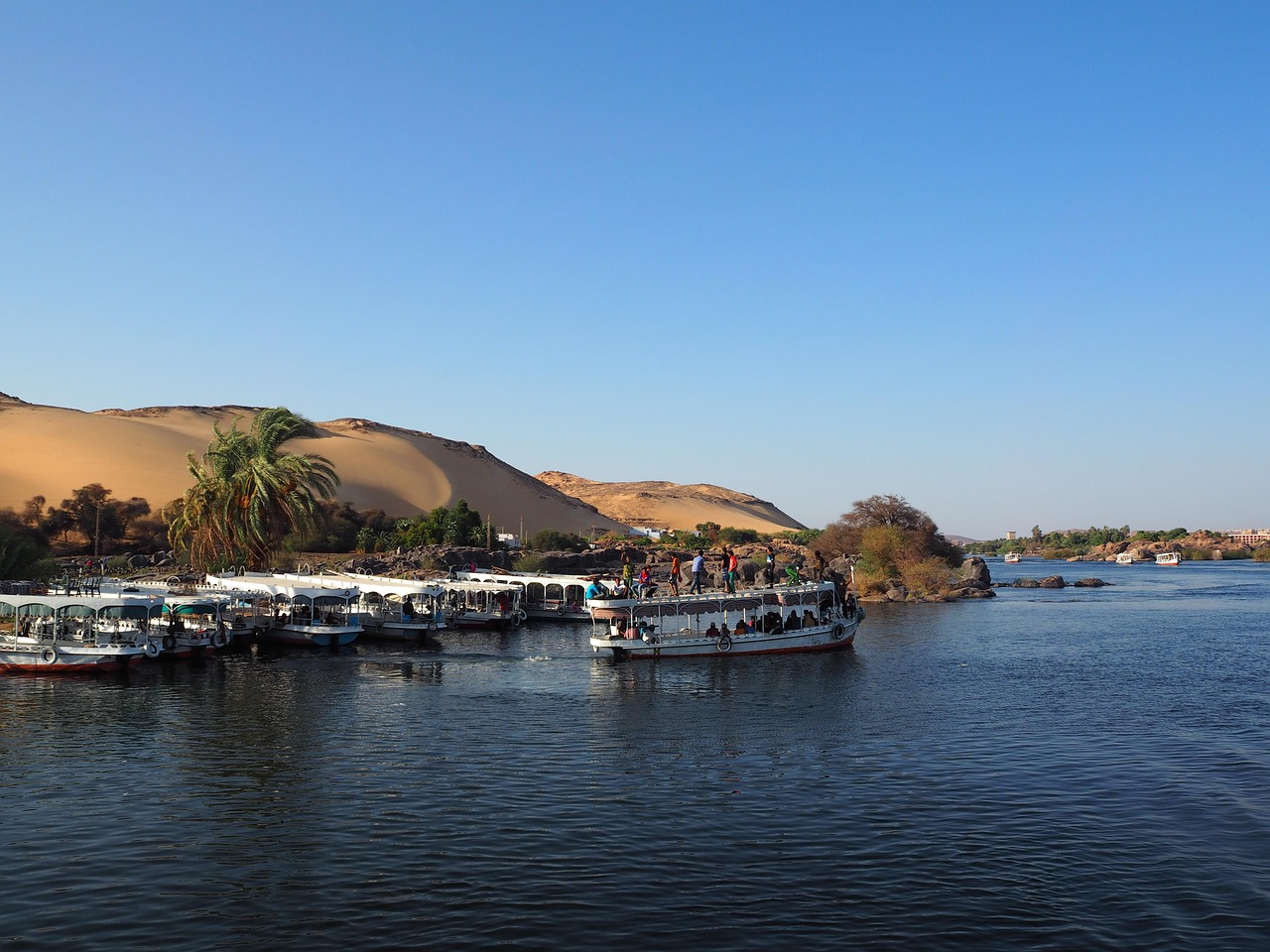
The Nubian community resides primarily along the Nile River, straddling both Egypt and Sudan. Their languages – Nobiin, Masalit, and Dongolawi – are a testament to their rich cultural heritage. With a history that spans thousands of years, the Nubians have been instrumental in shaping the region’s history and identity.
Nubian languages face threats from Arabic and English influence, urbanization, and lack of official recognition. To combat this, initiatives such as creating bilingual education programs and promoting Nubian language use in media are underway. This preservation is crucial for maintaining the unique identity of this ancient culture and offering a valuable insight into the cultural exchange between Africa and the Middle East throughout history.
The Nile River has long been the lifeblood of Egyptian civilization, and the Nubians have played a significant role in its history. By preserving their languages, we can honor their contributions and celebrate our shared cultural heritage.
Berbers: The Indigenous People of North Africa
The Berbers, also known as Amazigh, are the indigenous people of North Africa, with significant populations in Egypt’s western desert. Their language, Tamazight, is part of the Afro-Asiatic family and has been spoken for thousands of years.
Berber languages face threats from Arabic dominance and assimilation policies that discourage their use. To combat this, efforts are being made to promote Berber culture in schools, provide Berber language classes, and create Berber-language media platforms. This preservation is essential for upholding the identity and rights of the Berbers, as well as understanding the rich cultural history of North Africa.
The western desert of Egypt has long been home to the Berbers, who have played a significant role in shaping the region’s culture and history. By reviving their languages, we can honor their contributions and celebrate our shared cultural heritage.
Preserving Language Diversity: A Call to Action
As members of the Maghrebi diaspora, it is our responsibility to support initiatives aimed at preserving Egypt’s endangered languages. This can be achieved by advocating for language policies that promote linguistic diversity, supporting community organizations focused on preservation efforts, and encouraging learning and use of these languages within our own communities.
We have a unique opportunity to make a difference in the lives of our ancestors and future generations. By working together, we can create a brighter future where cultural heritage is celebrated and preserved for generations to come.
Conclusion
Egypt’s endangered languages are a testament to the country’s rich cultural history and diversity. By preserving these languages, we ensure that future generations can continue to learn from and celebrate Egypt’s unique cultural heritage. It is our collective responsibility to support initiatives aimed at reviving Coptic, Nubian, and Berber languages, safeguarding them for future generations.
As we move forward, it is crucial that we prioritize the preservation of these endangered languages. By doing so, we can honor our ancestors, celebrate our shared cultural heritage, and ensure a brighter future for all Egyptians.
You might also enjoy
Related Articles
- Reviving Morocco’s Amazigh Culture: A Guide for Language and Identity
- Reviving Algerian Radio Through English Language and Archive Digitization
- Reviving the Yabrak Tradition: A Unique Blend of Tunisian and Marseille Culture for Passover
- Reconnecting with Our Roots: A Journey Through Algeria’s Rich Culture and Heritage
- Highlighting Sara Sadik’s Portrayal of ‘Beurcore’ Culture Through Art: A Deep Dive into Her Masterpieces