Exploring UNESCO World Cultural Heritage: Culinary Traditions from the Maghreb
Welcome to our culinary journey through the rich and diverse heritage of the Maghreb! As members of the Maghrebi diaspora, we’re delighted to embark on this tantalizing adventure together. The Maghreb, comprising Morocco, Algeria, Tunisia, Libya, and Mauritania, is home to a unique blend of flavors, techniques, and ingredients that have been recognized by UNESCO as part of our world’s intangible cultural heritage.
The Art of Moroccan Tagine: A Symphony of Spices
Tagine is a traditional North African slow-cooked stew named after the earthenware pot in which it’s prepared. The dish is characterized by its complex flavors derived from an intricate blend of spices such as cumin, paprika, saffron, ginger, and coriander. As you step into a Moroccan kitchen, the aroma of sizzling onions, garlic, and spices wafts through the air, teasing your senses and beckoning you to take a bite.
The process of preparing a tagine is a labor of love, often involving the slow braising of meat, vegetables, and aromatic herbs for several hours until they reach a melting texture that dances on your taste buds. Each region in Morocco has its unique variations of tagines, making it an exciting exploration for any food enthusiast. From the sweet and spicy flavors of Marrakech to the rich and savory aromas of Fez, every bite tells a story about the heritage and traditions of this incredible country.
The art of tagine-making is being passed down from generation to generation, with each family adding their own secret spices and techniques to create a dish that tells a story about their heritage. This tradition not only brings families together but also preserves the cultural identity of the Maghreb.
Tunisian Couscous: A Celebration of Community
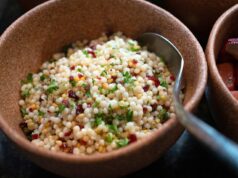
Couscous is another staple in Maghrebi cuisine, particularly popular in Tunisia. This dish is traditionally prepared during festive occasions as a symbol of unity and community. Imagine sitting down with family and friends around the dinner table, surrounded by the warm aroma of steaming couscous and the laughter of loved ones.
The process of making couscous involves steaming tiny semolina granules until they expand into small pearls that are light and fluffy. Served with an assortment of vegetables, meats, and spices, each family’s couscous recipe is as unique as the stories they share during its preparation. Whether it’s a birthday celebration or a simple Sunday dinner, couscous brings people together in Tunisia.
Couscous is a testament to the importance of community in Tunisian culture, where families gather around shared dishes to celebrate life’s milestones and strengthen their bonds. By sharing this dish with others, we’re not just nourishing our bodies but also cultivating meaningful connections with those around us.
Algerian M’hanncha: A Sweet Symphony
M’hanncha is a traditional Algerian pastry that showcases the country’s culinary ingenuity. The dish consists of thin, delicate sheets of pastry filled with a sweet almond filling and rolled into a snake-like shape. As you take your first bite, the flaky crust gives way to a rich, buttery flavor that’s both familiar and exotic.
The process of making M’hanncha is intricate and time-consuming, requiring patience and skill to achieve the perfect texture and taste. The resulting pastries are a visual delight that tantalize the senses before even taking a bite. Whether served as an accompaniment to tea or as a sweet treat on its own, M’hanncha is a symbol of hospitality in Algerian culture.
M’hanncha is often served during celebrations or as an accompaniment to tea, reinforcing its role as a symbol of warmth and welcome in Algerian homes. By sharing this pastry with others, we’re not just satisfying our sweet tooth but also expressing our appreciation for the rich cultural heritage of Algeria.
Call to Action
As members of the Maghrebi diaspora, let us celebrate our shared culinary heritage by cooking and sharing these traditional dishes with our families and friends. By preserving and promoting our unique culinary traditions, we ensure that future generations will continue to appreciate the rich history and culture of the Maghreb.
So why not start your own culinary journey today? Try your hand at making a Moroccan tagine, Tunisian couscous, Algerian M’hanncha, or Mauritanian Thieboudienne. As you cook and share these dishes with others, remember that you’re not just nourishing bodies but also preserving cultural heritage and building meaningful connections with those around you.
You might also enjoy
Related Articles
- Exploring the Legacy of Al-Andalus in North Africa: A Cultural Journey for Maghrebi Diaspora Readers
- Anticipating the North Africa Eclipse of 2027: A Comprehensive Guide for the Maghrebi Diaspora
- Discovering North African Cuisine in Marseille: A Culinary Journey for Maghrebi Diaspora
- Unveiling the Rich Culinary Heritage of Algeria: A Feast for Maghrebi Diaspora Palates
- Efficiently Managing Halal Food Stocks During Ramadan: A Guide for the Maghrebi Diaspora