As the sun sets on another day during Ramadan, families and communities come together to break their fasts with loved ones, feasting on delicious, high-quality halal dishes. Whether you’re part of the Algerian, Tunisian or Moroccan diaspora in England, these tips will help you manage your halal food stocks with ease, ensuring that every Iftar is a memorable one.
Introduction
Ramadan is a sacred month for Muslims around the world, a time to reflect on faith, family and community. For many, the breaking of the fast at sunset is an occasion to gather with loved ones and indulge in a feast of flavorful halal dishes. But preparing enough food for your household can be a daunting task, especially when you’re catering to a diverse range of tastes and dietary needs. Here are some practical tips to ensure that you have everything you need during this holy month.
History
Halal food is any food that meets the Islamic dietary guidelines, which prohibit the consumption of pork and carrion, blood, alcohol, and animal by-products containing enzymes derived from non-halal animals. Ramadan has been a time for communal feasting since ancient times, with the first recorded Iftars taking place in medieval Baghdad, where wealthy patrons would sponsor lavish meals for the needy and poor. Today, halal food plays an integral role in many Muslim communities around the world, bringing people together and fostering a sense of community and togetherness.
Ingredients (serves 6)
- 1.5 kg whole chicken, preferably free-range or organic
- 1 kg boneless lamb shoulder, sourced from a reputable butcher
- 500 g mixed fresh vegetables (such as carrots, courgettes, turnips and peas), washed and chopped
- 400 g canned chickpeas, drained and rinsed
- 3 large tomatoes, peeled and chopped
- 2 large onions, peeled and chopped
- 10 cloves garlic, minced
- 2 tbsp olive oil, extra virgin or cold-pressed
- Salt and black pepper to taste, using a high-quality salt like Himalayan pink or sea salt
- Spices: 1 tsp cumin, 1 tsp coriander, 1 tsp paprika, ½ tsp cinnamon, 2 tbsp ras el hanout, a Moroccan spice blend that adds depth and warmth to the dish
Numbered steps with detail
Prep time: 30 minutes | Cook time: 1 hour 30 minutes | Difficulty: Easy
- Prepare the chicken: Rinse the chicken inside and out, pat it dry with paper towels to remove any excess moisture, then season with salt, pepper and a teaspoon of ras el hanout. Place in a large roasting tray or Dutch oven.
- Marinate the lamb: In a small bowl, combine minced garlic, olive oil, salt, pepper, cumin, coriander and paprika. Mix well to create a smooth paste, then massage it into the lamb pieces, making sure they’re evenly coated. Cover and refrigerate for at least 30 minutes to allow the flavors to meld and the meat to tenderize.
- Prepare the vegetables: Peel and chop the onions and carrots into bite-sized pieces, then cut the courgettes lengthways. Rinse the chickpeas and set them aside with the other vegetables.
- Cook the chicken: Preheat your oven to 180°C (350°F) or 170°C for a convection oven. Roast the chicken in the preheated oven for 45 minutes, or until it’s cooked through and the juices run clear when you insert a skewer into the thickest part of the thigh. Remove from the oven and let rest for at least 10-15 minutes before carving.
- Sear the lamb: In a large frying pan, heat one tablespoon of olive oil over medium-high heat until it starts to shimmer and smoke slightly. Add the marinated lamb pieces and sear on all sides until browned – about 5 minutes total. Transfer the lamb to a plate and set aside.
- Cook the vegetables: In the same pan, add another tablespoon of olive oil. Fry the onions until they’re softened and translucent, then add the carrots, courgettes and chickpeas. Cook for 10-15 minutes, stirring occasionally, until the vegetables are tender but still crisp.
- Finish the lamb: Return the seared lamb to the pan with the vegetables. Add a splash of water if needed, then cover and simmer for 20 minutes, or until the lamb is cooked through and flavorful. Let it rest for at least 10-15 minutes before serving.
Tips
– To keep your halal food fresh for longer, store it in the freezer or refrigerator according to its individual shelf life. – When buying meat, look for a reputable butcher who sources their products from approved suppliers. Consider shopping at local farmers’ markets or specialty stores that cater to Muslim communities.
Variations
For a vegetarian version, omit the lamb and double the amount of vegetables. For seafood enthusiasts, swap the chicken for swordfish or other halal-certified fish like tilapia or cod. You can also add some flavor with herbs like thyme or rosemary.
Serving
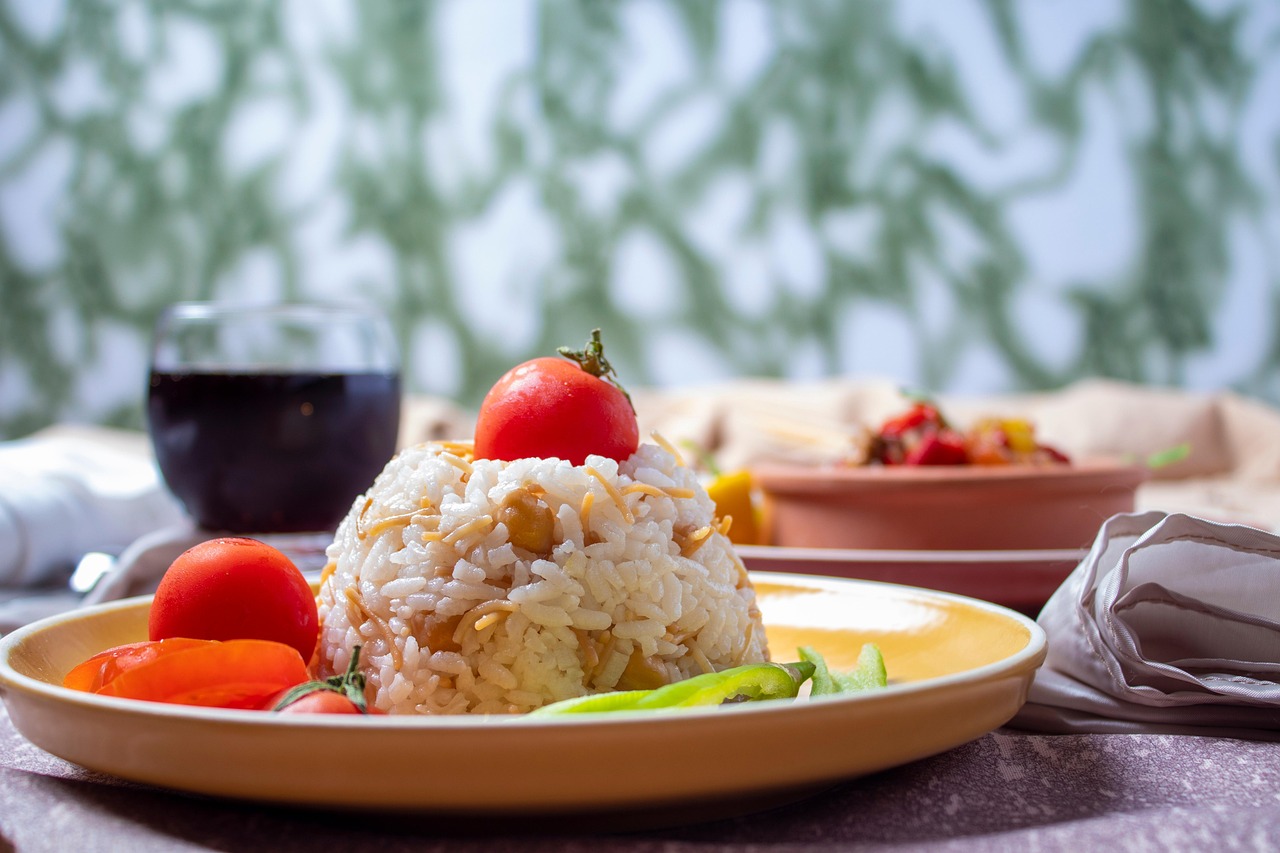
Serve the lamb and vegetables over steaming hot couscous or rice, garnished with chopped fresh parsley and a sprinkle of paprika. A dollop of yogurt on the side is also delightful, adding a tangy contrast to the rich flavors of the dish.
Conclusion
Ramadan is a time to strengthen family bonds, reconnect with your faith and indulge in delicious halal food that brings people together. With these tips for managing your halal food stocks, you can enjoy a stress-free Iftar every night of this blessed month, surrounded by loved ones and the warmth of good company.
You might also enjoy
Related Articles
- Celebrating Ramadan: 5 Tips for Managing Halal Food Stocks for the Maghrebi Diaspora
- Efficiently Managing Halal Food Stocks During Ramadan: A Guide for the Maghrebi Diaspora
- Halal-Certified Tim Hortons Opens in Singapore: A Game Changer for Muslim Community
- A Local’s Guide to Halal Dining in Hong Kong for the Maghrebi Community
- Empowering Modern Muslim Women: A Guide to Fashion and Style for the Maghrebi Diaspora