Exploring Moroccan Jewish Culture Through an Ethnographic Lens – Analysis
In this article, we embark on a fascinating journey to explore the rich and vibrant world of Moroccan Jewish culture. Our goal is to delve into its history, traditions, and contemporary significance, shedding light on the complexities that make it so unique. This exploration will resonate deeply with our Maghrebi diaspora readers, as we seek to foster a greater understanding and appreciation for our shared heritage.
A Brief Historical Overview of Moroccan Jewish Culture
The history of Moroccan Jewish culture stretches back over two millennia, with the first recorded Jewish community appearing during the reign of King Herod in 70 CE. Throughout this period, Jews have played a significant role in the social, economic, and cultural fabric of Moroccan society.
The relationship between Morocco’s Jewish and Muslim populations has generally been harmonious, marked by periods of coexistence characterized by tolerance and mutual respect. This is evident in the country’s diverse religious landscapes, where synagogues and mosques stand side-by-side in many cities. In fact, Marrakech, for example, is home to over 20 synagogues, each with its unique architectural style.
However, the 20th century saw a significant exodus of Moroccan Jews due to factors such as economic hardship, political instability, and increased anti-Semitism. This has led to a dramatic decline in the Jewish population, with estimates suggesting around 2,500 Jews currently living in Morocco, down from a peak population of approximately 270,000 in the 1948 census.
Unique Cultural Practices and Rituals: A Window into Moroccan Jewish Culture
Moroccan Jewish culture is characterized by a rich tapestry of traditions, many of which have been passed down through generations. Some notable practices include the use of music, literature, and art in religious ceremonies, as well as unique customs surrounding weddings, holidays, and daily life.
For example, the Mimouna festival, celebrating the end of Passover, is a joyous occasion marked by food, music, and the exchange of symbolic gifts. This festive atmosphere is a testament to the community’s deep connection with their faith and heritage. Similarly, the Moroccan Jewish community’s vibrant musical traditions, such as those found in Gnawa and Andalusian music, have influenced popular Moroccan music today.
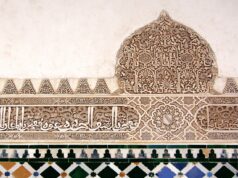
Another unique aspect of Moroccan Jewish culture is the intricate artistry found in Moroccan synagogues. Ornate ceilings, colorful mosaics, and exquisite woodwork reflect the community’s devotion to their faith. In fact, the Ben Ezra Synagogue in Fes is one of the oldest continuously used synagogues in Morocco, dating back to the 14th century.
The Influence of Sephardic Culture on Moroccan Jewish Heritage
Morocco’s Jewish population is predominantly Sephardic – descendants of Jews expelled from Spain and Portugal during the Inquisition in the late 15th century. This has led to a blending of Middle Eastern, North African, and Iberian influences within Moroccan Jewish culture.
One example is the use of Judeo-Spanish (Ladino) dialect, which remains spoken by some older generations in Morocco. The influence of Sephardic culture can also be seen in Moroccan Jewish cuisine, with dishes like b’stilla and harira bearing distinct Iberian flavors.
This fusion of cultures has enriched the diverse fabric of Moroccan society, contributing to its reputation as a melting pot of traditions and influences. In fact, Morocco is often referred to as the “bridge between East and West,” reflecting its unique position at the crossroads of African, European, and Middle Eastern cultures.
The Importance of Preserving Moroccan Jewish Heritage: A Call to Action
As Morocco’s Jewish population continues to dwindle, there is an increasing emphasis on preserving the rich cultural heritage that remains. This includes efforts to restore and protect historic synagogues, as well as initiatives to document oral histories and traditions.
For members of the Maghrebi diaspora, connecting with Moroccan Jewish culture can serve as a means of reconnecting with our roots and understanding the broader history of the region. By supporting these preservation efforts, we contribute to maintaining a vital link between our past and present.
- Support organizations dedicated to preserving Moroccan Jewish heritage
- Learn more about the unique traditions and practices of Moroccan Jewry
- Visit Morocco and explore its rich Jewish history firsthand
Conclusion: Embracing Our Shared Heritage – A Celebration of Moroccan Jewish Culture
In exploring Moroccan Jewish culture through an ethnographic lens, we gain a deeper appreciation for the intricate tapestry of traditions that define our region. As members of the Maghrebi diaspora, it is essential that we continue to celebrate and preserve these shared cultural heritages, fostering a greater understanding and sense of unity among our communities.
You might also enjoy
Related Articles
- Exploring Moroccan Jewish Culture Through an Ethnographic Lens – An In-Depth Analysis
- Unveiling Hak Lmalh: Exploring the Roots and Significance of This Moroccan Tradition
- Revival and Identity Shift: Exploring Morocco’s Amazigh Culture
- An Exclusive Peek into Condé Nast Traveller’s Moroccan Fashion Photoshoot: A Celebration of Maghrebi Culture and Style
- Exploring Happiness Trends, Challenges, and Insights in the Maghreb: A Comprehensive Analysis for the Maghrebi Diaspora