Revisiting the Roots: A Deep Dive into the Traditional Moroccan Harira Soup Recipe
Welcome to a culinary journey through our shared heritage! Today, we’re diving into one of the most iconic dishes in Maghrebi gastronomy – the rich and aromatic Moroccan Harira Soup. This beloved dish transcends borders, uniting us with our roots and reminding us of the warmth and comfort found in a steaming bowl.
Origins: The Roots of Harira
Harira’s origins date back to medieval Morocco, where it was traditionally consumed during the holy month of Ramadan. The name ‘Harira’ comes from the Arabic word ‘al-haraera’, meaning ‘to stimulate or invigorate’. As a nourishing and flavorful soup, Harira serves as an essential break-fast meal, replenishing the body after a day of fasting.
Over time, Harira has evolved to incorporate various regional influences, yet it maintains its essence as a nutrient-dense, fragrant, and satisfying dish. In Morocco, Harira is often served with a variety of accompaniments, such as crusty bread, couscous, or pastilla, each adding its unique texture and flavor profile.
Key Ingredients: A Symphony of Flavors
At the heart of Harira lies a harmonious blend of ingredients that dance together in a symphony of flavors. Some essential components include lentils, chickpeas, and vegetables such as carrots, onions, celery, and turnips. The broth is bolstered by tomato paste, spices like cumin, paprika, and coriander, as well as fresh herbs like parsley, cilantro, and mint.
The aromatic properties of Harira are further enhanced by the addition of preserved lemons, saffron, or a hint of cinnamon. These subtle nuances add depth and complexity to the dish, making it a true reflection of Maghrebi cuisine’s rich heritage.
Lastly, Harira is traditionally seasoned with harissa – a fiery North African paste made from chilies, garlic, olive oil, and spices. This versatile condiment adds a burst of heat that complements the dish beautifully, leaving a lasting impression on the palate.
Preparation: Bringing it All Together
Preparing Harira involves several steps, starting with sautéing aromatics like onions and garlic in oil until they become fragrant. Next, add the spices and cook them for a minute or two to release their flavors.
Following this, lentils, chickpeas, and vegetables are added, along with the tomato paste, broth, and any additional seasonings like saffron or preserved lemons. Bring the soup to a boil, then reduce the heat and let it simmer until the lentils and vegetables are tender.
A few minutes before serving, stir in fresh herbs and a generous spoonful of harissa. Adjust seasonings as needed, and your Harira is ready to be enjoyed! As you take that first sip, allow yourself to be transported back to the bustling souks of Morocco, where the scent of spices and the warmth of hospitality fill the air.
Garnishes: The Final Touch
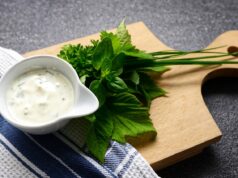
The finishing touches on Harira are just as essential as the ingredients themselves. A sprinkle of freshly chopped cilantro and parsley adds a pop of color and freshness, while a drizzle of olive oil brings out the rich flavors of the soup.
A dollop of creamy labneh or yogurt provides a tangy contrast, balancing out the savory notes of the dish. Some cooks also like to garnish their Harira with crunchy fried onions or crispy chickpeas for added texture and crunch.
The beauty of Harira lies in its adaptability, so feel free to customize the garnishes to your taste preferences. Whether you’re a traditionalist or an innovator, Harira invites you to add your own unique touch, making it a truly personal and meaningful experience.
Serving & Enjoying: A Celebration of Tradition
Harira is traditionally served hot, with freshly baked bread on the side. It can be enjoyed as a standalone meal or paired with other dishes such as couscous or pastilla. During Ramadan, it’s common to break the fast with a bowl of Harira, sharing it with family and friends.
Regardless of whether you’re celebrating a special occasion or simply enjoying a comforting meal, Harira invites us to connect with our roots and cherish the shared culinary heritage that binds us together. As we sit around the table, spoon in hand, let the aroma of Harira transport you back to the warm embrace of Morocco.
Call to Action: Embrace Your Heritage, Share the Love
We hope this deep dive into Moroccan Harira Soup has inspired you to reconnect with your roots and share the flavors of our shared heritage. Invite friends and family over for a traditional Maghrebi meal and watch as the aroma of Harira fills your home, transporting everyone back to the warm embrace of Morocco.
As we close this culinary journey, remember that Harira is more than just a recipe – it’s an invitation to share in the love, warmth, and hospitality that defines Maghrebi culture. Share your own Harira stories, traditions, and experiences with us, and let’s come together to celebrate our shared heritage.
You might also enjoy
Related Articles
- Cooking Authentic Moroccan Harira Soup at Home: A Guide for the Maghrebi Diaspora
- Moroccan Harira Soup Recipe: A Comforting Classic
- Moroccan Harira Soup Recipe: A Comforting Ramadan Meal
- Moroccan Harira Soup Recipe: A Comforting Classic
- Handmade Moroccan Lanterns: A Guide to Fair Trade and Marrakesh-inspired Decor for Maghrebi Diaspora Readers