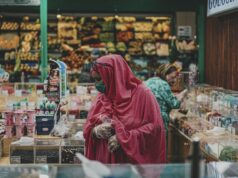
Embracing Tradition and Modernity in Maghrebi Style: A Journey through Modest Fashion
Welcome to this fascinating exploration of the unique blend of tradition and modernity that defines Maghrebi style within the realm of modest fashion. As we embark on this journey, we’ll delve into the rich cultural heritage of our region, discovering how it continues to evolve amidst the fast-paced world of contemporary design.
The Roots of Maghrebi Modest Fashion
Our exploration begins by tracing the historical foundations of Maghrebi modest fashion, which originated in the regions of North Africa – Morocco, Algeria, Tunisia, and Libya. For centuries, these countries have been known for their intricate designs, vibrant colors, and attention to detail that can be traced back to Berber, Arabic, and Ottoman influences.
Throughout history, modest fashion in the Maghreb has been an integral part of daily life, reflecting the cultural and religious values of its people. From the flowing djellabas (traditional robes) of Morocco to the elegant jebbas (tunics) and boubouchar (hooded cloaks) of Algeria, these clothing items have evolved over time but never lost their essential characteristics.
The most iconic example of Maghrebi modest fashion is the hijab – the veil worn by Muslim women in public. In North Africa, the hijab has been a long-standing tradition for centuries and has undergone numerous transformations to cater to modern sensibilities while maintaining its cultural significance.
Let’s take a closer look at some of the traditional clothing items that have played a significant role in Maghrebi modest fashion. For instance, the Moroccan kaftan – a long, flowing robe adorned with intricate embroidery and delicate lacework – has been a staple in many North African cultures for centuries.
Another example is the Algerian jebba, which often features bold geometric patterns inspired by traditional Maghrebi motifs. These designs not only add aesthetic value but also serve as a means of storytelling, conveying cultural values and historical significance.
The Intersection of Tradition and Modernity
As time progressed, Maghrebi modest fashion began to merge with global trends, giving birth to a unique fusion of tradition and modernity. This blending of styles can be observed in the emergence of contemporary designers who reinterpret classic pieces for a younger, more cosmopolitan audience.
One such example is Moroccan designer Hafsah Aneela Bashir, whose work marries traditional North African aesthetics with contemporary minimalism. By blending elements like intricate embroidery and delicate lacework with clean lines and neutral colors, she creates a modern interpretation of Maghrebi modest fashion that resonates with a global audience.
Another designer worth mentioning is the Tunisian-born Azzedine Alaïa, whose work has been celebrated worldwide for its timeless elegance and exquisite craftsmanship. Alaïa’s designs often feature bold geometric patterns inspired by traditional Maghrebi motifs, while also incorporating innovative fabric treatments and cutting techniques that push the boundaries of fashion.
The fusion of tradition and modernity is not limited to individual designers; it can be seen in the way Maghrebi modest fashion has adapted to contemporary trends. For instance, the rise of athleisure wear has led to the creation of sporty-modest clothing lines that blend traditional designs with modern comfort.
Sustainable Practices in Modest Fashion
In recent years, there has been a growing awareness of the environmental impact of the fashion industry. As such, many Maghrebi designers have turned their attention to sustainable practices that minimize waste and promote ethical production methods.
One notable example is Moroccan designer Noura Berrada, who creates stunning hand-embroidered pieces using recycled fabrics sourced from vintage clothing stores. By giving new life to pre-loved materials, she not only preserves the traditional craft of embroidery but also reduces the environmental footprint associated with textile production.
Sustainable practices are not limited to individual designers; they can be seen in the way Maghrebi modest fashion has adapted to contemporary trends. For instance, the rise of slow fashion has led to a shift towards more mindful consumption and reduced waste.
The Digital Revolution and the Rise of Online Platforms
With the advent of the digital age, the fashion industry has undergone a seismic shift in how it connects with consumers. In the Maghrebi context, this transformation has been marked by the rise of online platforms that showcase and sell contemporary modest fashion designs.
One such platform is Souk Furnishings, an online marketplace that caters to both local and international clients. By offering a diverse selection of handmade, ethically produced items, the platform serves as a digital souk – a traditional North African marketplace – that connects designers with customers around the world.
A Call to Action
As we come to the end of our journey through Maghrebi modest fashion, it is essential to remember that these designs are more than just clothes; they are a testament to our shared cultural heritage. By supporting contemporary designers and sustainable practices, we can ensure that this rich tradition continues to thrive for generations to come.
Embrace your roots and join us in celebrating the beauty of Maghrebi modest fashion. Let’s continue to support the incredible talent that emerges from our homeland, both locally and abroad, and help to preserve this vital aspect of our cultural identity for future generations.
You might also enjoy
Related Articles
- Eid Fashion for Women and Children: Modest Style and Trends – A Guide for Maghrebi Diaspora Readers
- Unraveling the Rise of Modest Fashion in Western Academia: A New Era for the Maghrebi Diaspora
- Embracing Modesty: Exploring Modern Muslim Fashion Trends in Western Academia for Maghrebi Diaspora
- Embracing Modest Fashion: Maghrebi Designers Shine in Western Academia
- Modern Muslim Fashion at DAZ Hijab: A Beacon for the Maghrebi Diaspora in Florida