Celebrating the Culinary Heritage of South Tunisia: An Interview with Malek Labidi
In this captivating article, we embark on a flavorful journey to explore the rich culinary traditions of South Tunisia through an engaging interview with renowned chef and culinary historian, Malek Labidi. As members of the Maghrebi diaspora, our connection to our ancestral lands runs deep, and understanding their culinary heritage is a profound way to celebrate our roots. From the aromatic spices to the hearty stews, each dish tells a story of resilience, community, and cultural identity.
The Enigmatic Allure of South Tunisian Cuisine
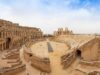
Malek Labidi shares his passion for the unique flavors and ingredients that define South Tunisia’s cuisine, which stands apart from its northern counterpart. The region’s rugged terrain, comprising vast desert landscapes, fertile oases, and a coastline dotted with picturesque fishing villages, fosters an array of culinary delights that are as diverse as they are delicious. The combination of bold spices, fresh herbs, and tender meats creates a truly distinct flavor profile that is both familiar and exotic.
- Harissa: A fiery chili paste, ubiquitous in Tunisian cuisine, originates from the south. Labidi explains how it is traditionally prepared using fresh red peppers, garlic, and coriander. The pungent aroma of harissa wafts through the air, teasing the senses and beckoning you to take a bite.
- Brik: One of South Tunisia’s most iconic dishes, this crispy pastry stuffed with tuna, harissa, and a boiled egg offers a tantalizing taste of the region’s flavors. The combination of crunchy pastry, spicy harissa, and creamy tuna is a match made in heaven.
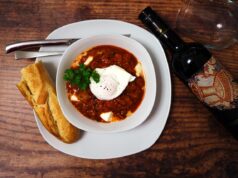
- Fish Soup (Soupe de Poisson): This fragrant seafood stew is a must-try for any visitor to the southern coast. Labidi discusses the importance of fresh, locally-caught fish in achieving the perfect soup. The rich aroma of simmering fish and spices fills the air, making your mouth water in anticipation.
The Influence of Bedouin and Berber Cultures
Labidi sheds light on the profound impact that the region’s nomadic populations, namely the Bedouins and Berbers, have had on its culinary traditions. These communities, with their deep connections to the land and their unique cultural practices, imparted a rich tapestry of flavors and cooking techniques. From the delicate pastries to the hearty stews, each dish reflects the people’s resourcefulness, adaptability, and love for good food.
- M’hanncha: A delicious pastry made from almonds, semolina, and saffron, M’hanncha is steeped in Berber heritage. Labidi reveals the secrets behind crafting this delightful dessert. The sweet aroma of almond and saffron fills the air, beckoning you to take a bite.
- Zaalouk: This popular Tunisian dip features eggplant, tomatoes, and olive oil, with a distinctive smoky flavor imparted by charring the vegetables over an open fire. The dish’s origins can be traced back to the Bedouin people. The smoky aroma of grilled eggplant and tomatoes fills the air, drawing you in.
- Couscous: A staple food across North Africa, couscous is a semolina-based dish that is prepared by steaming the grains over a pot of simmering stock. Labidi discusses the various regional variations on this beloved dish. The fluffy texture and nutty flavor of couscous make it a comforting and satisfying meal.
The Role of Preservation in Celebrating South Tunisian Cuisine
As globalization threatens to homogenize culinary traditions, Labidi is committed to preserving the authentic flavors and cooking techniques of South Tunisia. He shares his experiences working with local communities to document their unique recipes and practices. From the intricate preparations to the hearty stews, each dish tells a story of resilience, community, and cultural identity.
- Field Research: Labidi describes his journeys through remote villages, where he seeks out elders who can share their knowledge of traditional cooking methods and ingredients. The rich aroma of spices and herbs fills the air as you imagine the stories being shared around the kitchen table.
- Cooking Classes: The chef hosts immersive culinary experiences that offer participants the chance to learn about and prepare authentic South Tunisian dishes. The sizzle of vegetables, the crackle of pastry, and the aroma of spices create a sensory feast.
- Documentation: Labidi is working on a comprehensive book that will serve as a resource for future generations, ensuring the preservation of South Tunisia’s culinary heritage. The thought of having this rich cultural legacy at your fingertips is a treasure trove of flavors and memories.
The Maghrebi Diaspora and Our Connection to South Tunisian Cuisine
As members of the Maghrebi diaspora, we have a unique opportunity to celebrate and preserve our cultural heritage. By learning about and supporting the culinary traditions of our ancestral lands, we can strengthen our connection to them and share their rich history with future generations. The stories of our ancestors’ struggles and triumphs come alive through the aromas, flavors, and textures of these beloved dishes.
Join the Celebration
To learn more about Malek Labidi’s work and South Tunisian cuisine, visit his website at https://www.maleklabidi.com. Share your own experiences with Maghrebi cuisine by tagging us on social media using the hashtag #MaghrebFood. Let the aromas of Tunisia fill your senses, and join the celebration of this rich cultural heritage.
You might also enjoy
Related Articles
- Cooking Up Heritage: A Guide to UNESCO-Recognized Maghreb Cuisine for Diaspora Enthusiasts
- Celebrating Eid al-Fitr in Style: A Guide for Maghrebi Diaspora in the UK
- Reviving Morocco’s Rich Artisanal Heritage: A Celebration for Maghrebi Diaspora
- Preserving Jewish Algerian History Through Personal Stories: A Call to Action for Maghrebi Diaspora
- Teaching Arabic to Children Born in France: A Comprehensive Guide for the Maghrebi Diaspora