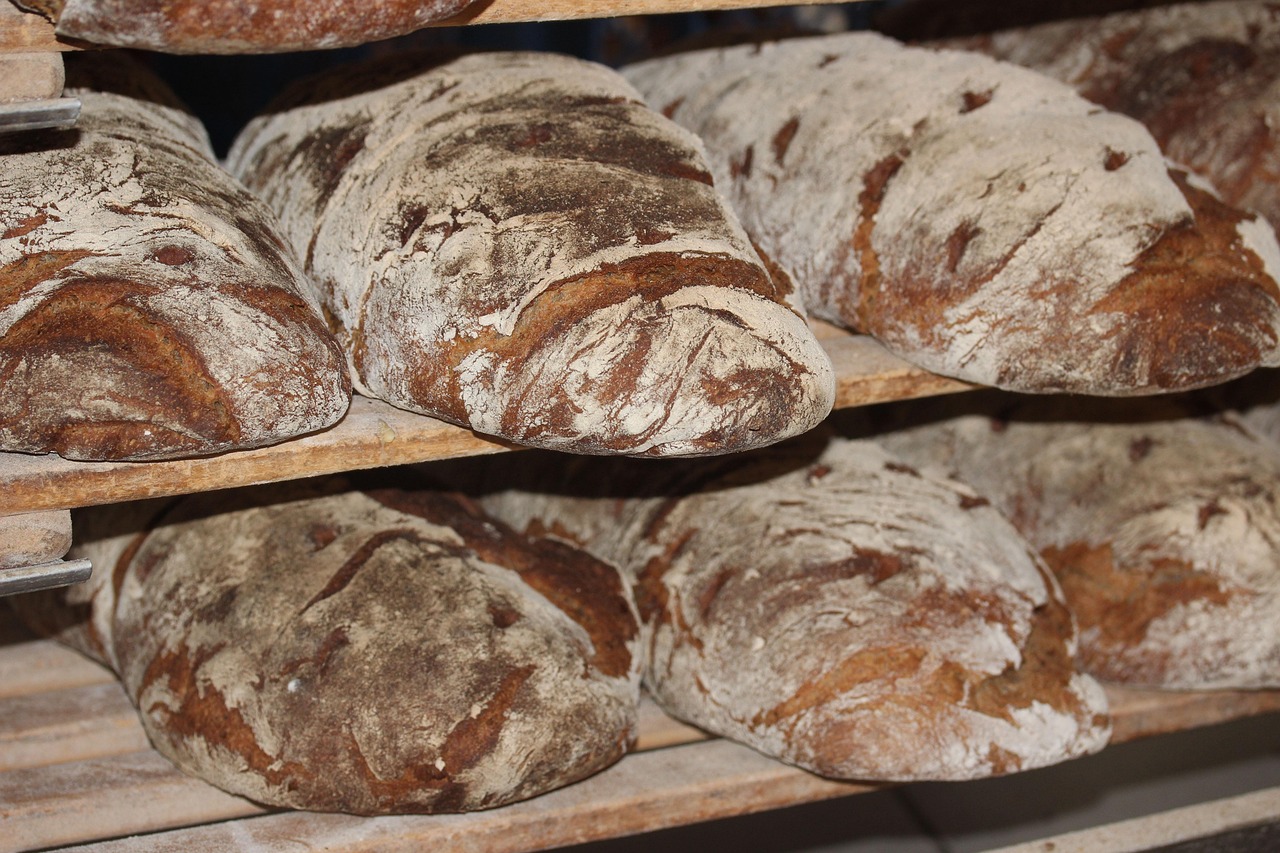
Harcha Recipe: A Delicious Moroccan Semolina Bread Perfect for Suhoor
As the sun sets on a bustling Ramadan night, our homes are filled with the savory aromas of traditional Maghrebi dishes. Among these is Harcha, a beloved semolina bread that’s perfect for suhoor, the pre-dawn meal that gives us sustenance and energy to face another day of fasting. In this recipe, we’ll guide you through the process of preparing this delicious Moroccan treat that’s sure to become a staple in your household.
Ingredients
- Semolina: 500 grams – You can find semolina at most Middle Eastern or North African markets, or substitute it with fine cornmeal or farina if needed.
- Water: 400 ml – Adjust the amount of water according to your desired consistency. Some prefer a thicker batter, while others like it slightly thinner.
- Salt: 1 teaspoon – A pinch of salt enhances the flavor and helps bring out the natural sweetness in the semolina.
- Baking Powder: 2 teaspoons – This leavening agent will help give your Harcha a light, airy texture.
- Olive Oil: 3 tablespoons, for frying – Use a high-quality extra virgin olive oil to add depth and richness to the dish.
- Optional: Honey or butter for serving – Feel free to get creative with your toppings. A drizzle of honey and a pat of butter can be a match made in heaven, but you can also try other sweet or savory options like chopped nuts, dried fruits, or even a sprinkle of cinnamon.
Preparation
Step 1: In a large mixing bowl, combine the semolina, salt, and baking powder. Whisk until well combined, making sure there are no lumps or pockets of dry ingredients.
Step 2: Gradually add water while stirring with a wooden spoon or spatula until the mixture forms a thick porridge-like consistency. You might need to adjust the amount of water depending on your environment and personal preference.
Step 3: Let it rest for about 10 minutes to allow the semolina to absorb the water, much like bread dough would rise after being left to proof. This step is crucial in helping the Harcha retain its texture and structure during cooking.
Cooking
Step 4: Heat olive oil in a non-stick frying pan or a cast-iron skillet over medium heat. Once the oil is hot, carefully pour it into a shallow pool in the center of the pan to prevent the Harcha from cooking too quickly.
Step 5: Using two spoons, scoop small portions of the semolina mixture and shape them into round flat cakes. Aim for about 1/4 cup of batter per cake, as this will ensure even cooking and help you achieve the perfect texture. Carefully place these cakes into the hot oil.
Step 6: Cook for about 3-4 minutes on each side until golden brown, adjusting the heat as needed to prevent burning. Repeat with the remaining mixture, working in batches if necessary.
Serving
Step 7: Drain the cooked Harcha on paper towels to remove excess oil, taking care not to break or crumble the delicate cakes.
Step 8: Serve hot with a drizzle of honey and a pat of butter, if desired. Alternatively, let it cool slightly before serving, which can help preserve its crispy texture. You can also serve Harcha as part of a larger meal or as a snack on its own.
Storage
Step 9: Any leftover Harcha can be stored in an airtight container and refrigerated for up to 3 days. Reheat before serving by wrapping the bread in a damp paper towel and microwaving for 10-15 seconds, or by baking it in the oven at 350°F (175°C) for about 5 minutes.
Conclusion
We hope you enjoy this traditional Moroccan recipe! Preparing Harcha for suhoor is not only a delightful experience but also a great way to connect with your roots and keep cultural traditions alive. Share this recipe with your friends and family, and don’t forget to tag us in your photos on social media using #MoroccanCuisine.
You might also enjoy
Related Articles