Eid Prayer 2026: Times, What to Wear, and How to Prepare – A Comprehensive Guide for the Maghrebi Diaspora
As Ramadan comes to a close, the anticipation of Eid Al-Fitr grows. This year, we’re expecting the celebrations to take place on May 3rd (subject to moon sighting). For our Maghrebi diaspora community members, this article serves as a treasure trove of information to help you navigate the excitement and spiritual essence of this special occasion.
Eid Prayer Times
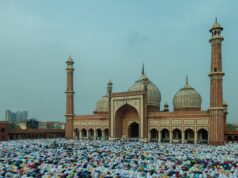
The Eid prayer is an integral part of the celebrations, offering an opportunity for communal worship. Typically held in the early morning hours after the Fajr prayer, please check local mosque announcements for exact timings as they may vary depending on location. It’s crucial to arrive early to secure a spot and ensure a smooth experience, especially at larger congregations. Remember that Eid prayers are obligatory (Wajib) for adult males, while it is recommended (Sunnah) for women and children.
For those observing the prayer from home, you can follow along with the local Imam on live streams or radio broadcasts to stay connected with the global Muslim community during this joyous occasion. Imagine being part of a global celebration, united in faith and spirit!
Preparing for Eid: What to Wear
Eid is a time to dress up and showcase your best attire. Traditional clothing from the Maghreb region, such as Jellaba, Boubou, or Djellaba, are all excellent choices for men. Women can wear beautiful Tunisian Jebbas, Moroccan Diras, or Algerian Houariria dresses that exude elegance and sophistication.
When choosing your attire, remember to prioritize modesty and respectability. Avoid excessive jewelry and makeup, as the focus should be on spirituality rather than material displays. For both men and women, clean, pressed, and comfortable clothing are essential for a peaceful and enjoyable prayer experience.
- Men: Opt for traditional Maghrebi attire like Jellaba or Boubou, or go for a suit and tie if you prefer. White is traditionally considered the color of Eid, but other light colors are also acceptable.
- Women: Choose elegant Tunisian Jebbas, Moroccan Diras, or Algerian Houariria dresses in pastel colors or floral patterns that make you feel confident and beautiful. Modest jewelry and makeup are recommended to maintain a sense of simplicity and piety during the prayer.
Preparing for Eid: Food & Decorations
Eid celebrations wouldn’t be complete without delicious food and beautiful decorations. Traditional Maghrebi dishes like couscous, harira soup, m’hanncha, and baklava are popular choices for the Eid meal that will satisfy your taste buds and bring back cherished memories from home.
Transform your home into a warm and welcoming space by adding colorful lanterns (Fenja), Moroccan rugs, and flowers. Remember to maintain cleanliness and orderliness in your house as a sign of respect and gratitude during Eid Al-Fitr celebrations.
- Food: Plan your Eid meal ahead, incorporating traditional Maghrebi dishes that bring back cherished memories from home. Don’t forget to invite friends and family to share the joy and create lasting memories!
- Decorations: Deck out your house with beautiful lanterns, Moroccan rugs, and flowers to create a warm and welcoming atmosphere that reflects the love and joy of Eid Al-Fitr celebrations.
Preparing for Eid: Charity & Acts of Kindness
Eid Al-Fitr is a time to express gratitude, share happiness, and perform acts of kindness. Give generously to charities and support those in need, as it is an essential aspect of the Eid celebration that will bring blessings upon you and your loved ones throughout the year.
Visit the elderly, sick, orphans, and needy within your community during Eid to spread joy and compassion. This act of giving will not only bring happiness to those around you but also strengthen your faith and sense of community.
- Charity: Donate generously to charities that help those in need, both locally and globally. Your contributions can make a significant difference during this blessed time and beyond.
- Acts of Kindness: Visit the elderly, sick, orphans, and needy within your community to spread joy and compassion as an expression of gratitude during Eid Al-Fitr celebrations.
Conclusion
As we eagerly await Eid Al-Fitr 2026, let us prepare ourselves by following the guidelines outlined in this comprehensive guide. Dress modestly and elegantly, engage in charity and acts of kindness, and enjoy traditional Maghrebi food and decorations with friends and family. May this blessed occasion bring peace, joy, and blessings to you and your loved ones.
Call to Action: Share this guide with your fellow Maghrebi diaspora members and help spread the spirit of Eid Al-Fitr 2026. Let’s come together as a community to celebrate, learn, and grow in our faith – and create lasting memories that will be cherished for years to come!
You might also enjoy
Related Articles
- Discovering Essential Oils Used for Beauty in the Maghreb: A Comprehensive Guide for the Maghrebi Diaspora
- Teaching Arabic to Children Born in France: A Comprehensive Guide for the Maghrebi Diaspora
- Caring for Your Hair with Argan Oil: A Comprehensive Guide for Maghrebi Diaspora Readers
- Home Organization: Tips from Maghrebi Women – A Comprehensive Guide for the Maghrebi Diaspora
- Balanced Eating During Ramadan: A Comprehensive Guide for Maghrebi Diaspora