After Eid: The Maghrebi Tradition of Family Visits and What It Means
The Maghreb region, comprising Morocco, Algeria, Tunisia, Libya, and Mauritania, is steeped in a rich cultural heritage that has shaped the lives of its people for generations. One such tradition that stands out is the post-Eid family visits, a heartwarming custom that not only strengthens familial bonds but also reflects deep-rooted values within Maghrebi society.
This cherished tradition, which takes place after the celebration of Eid Al-Fitr, marks the end of Ramadan and serves as an opportunity for families to come together, share in each other’s company, and reminisce about the past year. These visits are a time-honored practice that embodies the spirit of generosity, warmth, and hospitality that defines Maghrebi culture.
As families gather at each other’s homes, they indulge in traditional dishes, sweet treats, and warm greetings, fostering a sense of unity and togetherness. The atmosphere is filled with laughter, stories, and the sharing of blessings, as family members catch up on each other’s lives and share in the joyous atmosphere that follows the holy month.
The Post-Eid Family Visits: An Overview
The post-Eid family visits are a time-honored tradition that has been passed down through generations. They serve as an opportunity for families to come together, strengthen their bonds, and create lasting memories.
These visits typically take place in the days following Eid Al-Fitr and are characterized by generous hospitality. Hosts go out of their way to ensure that guests feel welcome and well-fed, often preparing traditional dishes and sweets that have been passed down through generations.
The Role of Food in Post-Eid Family Visits
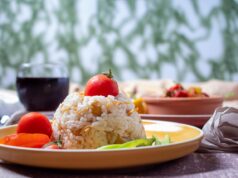
Food plays a significant role in post-Eid family visits, as it serves as a way to nourish both the body and the soul. Traditional dishes such as couscous, harira, b’stilla, and msemen are prepared with great care to ensure that guests are treated to a memorable feast.
The meals served during these visits are not just about satisfying hunger; they also symbolize the importance of togetherness and the generosity of the host. The act of breaking bread together is seen as a way to strengthen bonds and create lasting memories.
Moreover, food offerings often include traditional Maghrebi sweets like chbika, khobz el ghazal, and sfaxi, which are usually reserved for special occasions such as Eid. These sweet treats not only add a festive touch to the visits but also serve as a reminder of the region’s cultural heritage.
The Importance of Giving and Receiving Gifts
Gift-giving is an integral part of post-Eid family visits, as it serves as a way to show appreciation for family members and strengthen relationships. Small tokens, such as fruits, dates, sweets, or even new clothing, are exchanged between family members during these visits.
The act of giving and receiving gifts carries several meanings within Maghrebi culture. On one hand, it signifies the spirit of generosity and goodwill that is encouraged during Ramadan. On the other hand, it serves as a way to show appreciation for family members and strengthen relationships.
These gifts are often accompanied by heartfelt wishes for well-being and prosperity in the coming year, further emphasizing the importance of personal connections and mutual support within Maghrebi families.
Preserving Cultural Identity Through Tradition
The post-Eid family visits are a testament to the resilience and adaptability of Maghrebi cultural traditions. Despite diaspora, migration, and modernization, these visits continue to thrive as a way for Maghrebis to maintain their cultural identity and preserve their heritage.
For those living abroad, maintaining this tradition serves as a connection to their roots, providing a sense of belonging and continuity amidst the challenges of adapting to a new environment.
Moreover, these visits also serve as an opportunity for Maghrebis to share their traditions with others, fostering a greater understanding and appreciation for the region’s culture within host communities.
A Call to Action
As we celebrate Eid this year, let us remember the importance of family, tradition, and unity. For those who can, continue to participate in the post-Eid family visits, whether in person or virtually. For those who have lost touch with their roots, reach out to loved ones and reconnect, preserving the rich cultural heritage that binds us all.
You might also enjoy
Related Articles
- A Modern Maghrebi Pregnancy and Motherhood Guide: Embracing Traditions while Navigating Modernity
- Couscous Royale: A Maghrebi Feast for Family and Community
- Unveiling the Tradition of ‘The Right to Salt’ in Eid Celebrations Across the Maghreb: A Cultural Connection for the Diaspora
- Rediscovering Our Roots: The Return of Young French Jews to Their Maghrebi Culture
- Managing the Family Budget: Practical Tips for Maghrebi Diaspora Readers