Exploring the Legacy of Al-Andalus in North Africa: A Cultural Journey for Maghrebi Diaspora Readers
Welcome, dear readers! Today, we embark on a fascinating cultural exploration that connects our roots to the rich and diverse history of Al-Andalus – a period that profoundly influenced North Africa. As members of the Maghrebi diaspora, understanding this legacy can help us appreciate our shared heritage and celebrate its enduring impact.
Let’s begin by delving into the world of Al-Andalus, which flourished from 711 to 1492 AD. This Islamic territory in Iberia (modern-day Spain and Portugal) was marked by remarkable achievements in various fields, including art, literature, science, and architecture. As we explore this legacy, we’ll discover how it continues to shape North Africa’s cultural identity.
The Rise and Fall of Al-Andalus: A Brief Overview
Al-Andalus, meaning ‘land of the Vandals,’ was a region that defied boundaries. It was a melting pot where Muslims, Christians, and Jews coexisted, fostering a unique cultural landscape. The period’s Golden Age (10th to 12th centuries) saw an explosion of artistic innovation, intellectual progress, and architectural splendor.
The fall of Al-Andalus began in the late 15th century when Christian forces led by Ferdinand II of Aragon and Isabella I of Castile retook Granada, the last Muslim-held city. This event marked the end of Islamic rule in Iberia, leading to the expulsion and forced conversion of countless Muslims.
As a result, many refugees fled northwards to North Africa, carrying with them knowledge, culture, and artistic traditions that would shape the region for centuries to come. It’s essential to acknowledge this complex history and its lasting impact on our shared cultural heritage.
The Influence of Al-Andalus on Architecture
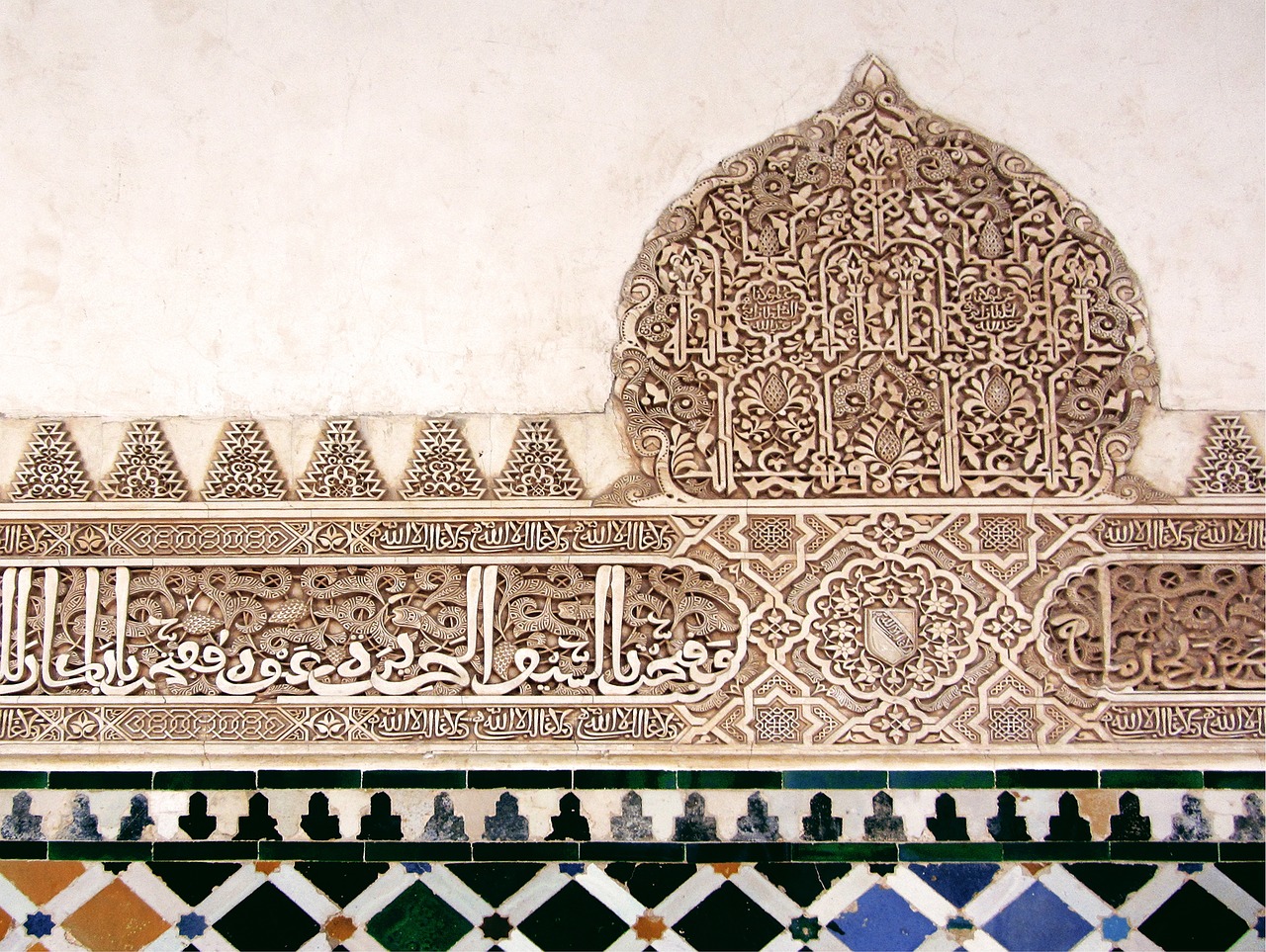
One of the most tangible legacies of Al-Andalus is its architectural influence. The iconic Alhambra in Granada is a prime example, with intricate geometric patterns and breathtaking courtyards that have captivated visitors for centuries.
The architectural styles developed during this period spread to North Africa, where they can still be seen in the stunning kasbahs (fortified cities) and mosques of Morocco, Algeria, and Tunisia. The Koutoubia Mosque in Marrakech and the Hassan II Mosque in Casablanca are just a few examples that showcase this architectural legacy.
This cultural exchange had far-reaching consequences, connecting North Africa with other Islamic artistic traditions from the Middle East and Central Asia. As we marvel at these architectural wonders, let’s not forget the historical context that gave rise to such masterpieces.
The Legacy of Al-Andalus in Literature
Al-Andalus was a hub for literature and poetry, particularly during its Golden Age (10th to 12th centuries). Many famous poets, like Ibn Zaydun, Ibn Quzman, and Ibn al-Khatib, wrote in both Arabic and Andalusi dialects, enriching the literary landscape of North Africa.
The genre of Muwashshah – a poem that combines Arabic verse with Spanish lyrics – is a unique example of Al-Andalus’ cultural fusion. This style can still be found in modern Maghrebi poetry today, testifying to the region’s enduring literary legacy.
Moreover, Al-Andalus played a significant role in preserving classical works from the Greek and Roman periods, which were later translated into Arabic and had a profound impact on scholarship in North Africa. This intellectual exchange helped shape the region’s literary identity and continues to influence its writers today.
The Impact of Al-Andalus on Science and Medicine
Al-Andalus was not only a center for the arts but also an influential hub for scientific advancements. The region made significant contributions to mathematics, astronomy, and medicine – fields that greatly impacted North Africa as well.
For instance, the works of Al-Zarqali (Azarquiel), a renowned astronomer and mathematician from Toledo, were studied in North Africa. His innovations contributed to the development of more accurate astronomical instruments and calendars.
In medicine, Al-Andalus was home to prominent physicians like Avenzoar (Ibn Zuhr), who wrote extensively on topics such as surgery, pharmacology, and pathology. His works were widely read in North Africa and influenced the region’s medical practices.
The Cultural Exchange Between Al-Andalus and North Africa
Beyond direct influences, the exchange between Al-Andalus and North Africa was a two-way street. The region shared its own artistic traditions, literary works, and scientific knowledge with Al-Andalus, contributing to the rich cultural tapestry of both.
- Berber motifs: Berber designs – characterized by geometric patterns and spirals – were integrated into the architectural style of Al-Andalus. This fusion can be seen in the Alhambra’s Patio de los Arrayanes, among other examples.
- Maghrebi literature: Maghrebi oral storytelling traditions, such as Awsat (short stories) and Maqamat (essays), were popular in Al-Andalus. These narratives showcased the region’s cultural identity and continued to influence its literature.
- Medical practices: Maghrebi medical practices, like those involving local plants and healing techniques, were known in Al-Andalus and contributed to the region’s diverse therapeutic knowledge.
Connecting with Our Shared Cultural Legacy
Understanding the legacy of Al-Andalus is essential for Maghrebi diaspora readers, as it helps us appreciate our shared heritage and fosters a deeper connection to our roots.
By exploring the various ways in which Al-Andalus has influenced North Africa – from architecture and literature to science and medicine – we can better understand the rich cultural history that binds us together. Let’s continue to celebrate this legacy and embrace the shared traditions that make us who we are today.
You might also enjoy
Related Articles
- Discovering North African Cuisine in Marseille: A Culinary Journey for Maghrebi Diaspora
- Exploring Happiness Trends, Challenges, and Insights in the Maghreb: A Comprehensive Analysis for the Maghrebi Diaspora
- Beef-and-Couscous-Stuffed Baby Bell Peppers: A Taste of North Africa for Maghrebi Diaspora
- Discovering the Vibrant History and Culture of the Tuareg People: A Journey Through Time
- The Amazigh Cultural Renaissance in Morocco: A New Chapter for the Maghrebi Diaspora