Revival of Moroccan Design: A Deep Dive into Morocco’s Artistic Renaissance
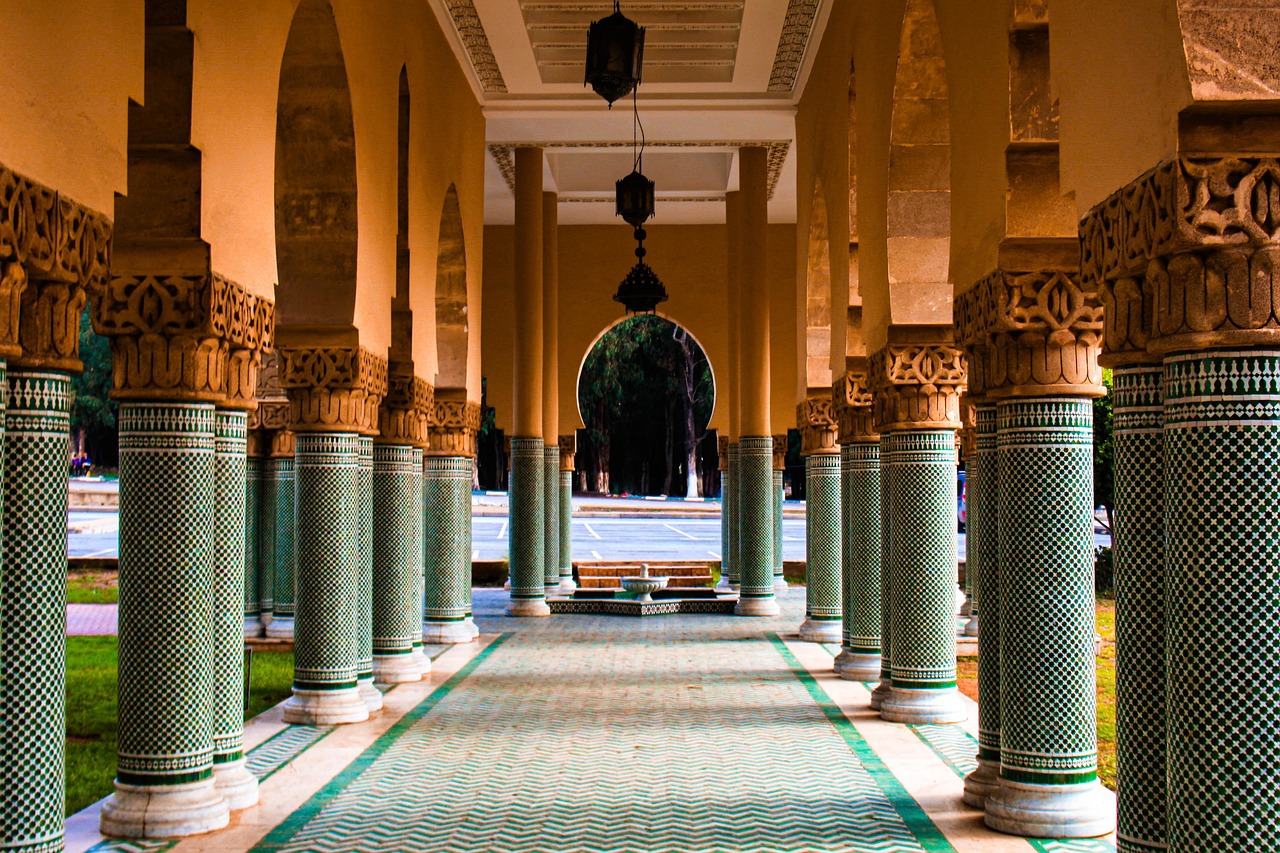
As we step into the enchanting world of Moroccan design, we’re transported to a realm where ancient traditions meet modern innovation. The creative revival that has taken hold of Morocco has captured the attention of the global design community, and for good reason. The country’s rich cultural heritage and artistic traditions have been rekindled, resulting in a renaissance that celebrates Moroccan craftsmanship and innovation. From the intricate tilework that adorns the walls of ancient mosques to the vibrant textiles that tell stories of the desert, Moroccan design is a true reflection of the country’s unique cultural identity.
The Roots of Moroccan Design: A Blend of Cultures
Moroccan design’s roots are deeply entwined with the country’s complex history, a rich tapestry of Berber, Arab, and European influences that have blended together over the centuries. The result is a unique aesthetic that is both familiar and exotic, a true reflection of the country’s cultural melting pot.
Berber rugs, for instance, showcase geometric patterns that have been passed down through generations, telling stories of the desert and the nomadic tribes that once roamed it. Arab influences are evident in the opulence and symmetry found in the architecture and decorative arts, while European influences have contributed to the modernization and adaptation of traditional Moroccan design.
A perfect example of this cultural fusion can be seen in the city of Marrakech, where the ancient Medina coexists with contemporary design, creating a fascinating juxtaposition of old and new. The narrow alleys and bustling souks of the Medina are a treasure trove of Moroccan design, with artisans and merchants selling everything from intricately woven textiles to beautifully crafted metalwork.
The Revival of Moroccan Design: A Modern Perspective
The revival of Moroccan design can be traced back to the 1990s, when the country’s artisans began to gain recognition for their exceptional craftsmanship. This recognition led to collaborations with international designers, who sought to incorporate Moroccan design elements into their own work.
One of the most significant figures in this movement is designer and artist Hicham Lahlou, who has been instrumental in bringing Moroccan design to the global stage. His work often combines traditional techniques with modern aesthetics, creating pieces that are both timeless and contemporary. His designs have been featured in top design publications and have been exhibited in museums around the world.
Another notable contributor is the brand Ammar, which specializes in handcrafted Moroccan rugs and textiles. By using traditional techniques while adapting to modern trends, they have managed to appeal to a wider audience, both locally and internationally. Their designs are sought after by interior designers, architects, and design enthusiasts around the world.
The Impact of the Revival on Moroccan Artisans
The revival of Moroccan design has had a profound impact on the country’s artisans. By gaining recognition and collaborating with international designers, these artisans have been able to generate income and preserve their traditional crafts. This newfound attention has also brought new challenges, however, as the demand for Moroccan design has grown, so too has the risk of mass production and the loss of authenticity.
Organizations such as the Marrakech Design Week have been established to promote ethical production and support local artisans. This annual event brings together designers, artisans, and design enthusiasts from around the world to celebrate Moroccan design and promote its preservation.
Moroccan Design in the Global Design Landscape
Moroccan design is no longer a hidden gem; it has taken its place on the global design stage. International designers and consumers alike are drawn to the country’s rich cultural heritage and unique aesthetic. This newfound attention has opened up opportunities for collaboration and growth, as Moroccan design becomes an integral part of the global design landscape.
However, as with any trend, there is a risk of cultural appropriation. It is essential that Moroccan design is respected and celebrated for its authenticity and that the artisans who create these pieces are given the recognition they deserve.
To ensure the longevity of Moroccan design, it is crucial to support local artisans, attend events like the Marrakech Design Week, and educate ourselves about the history and significance of Moroccan design. By doing so, we can ensure that the revival of Moroccan design continues to thrive and that its beauty is preserved for generations to come.
Call to Action: Embrace Moroccan Design
The revival of Moroccan design offers a unique opportunity to immerse ourselves in a rich cultural heritage while supporting local artisans. Let us celebrate Moroccan design, embrace its beauty, and continue to cultivate its growth.
Join us in supporting Moroccan design by seeking out authentic pieces, attending events, and educating yourself about the cultural significance of this artistic renaissance. Together, we can ensure that the revival of Moroccan design continues to thrive and that its beauty is preserved for generations to come.
In this journey, we can discover the intricate patterns and vibrant colors of Moroccan design, and learn about the artisans who bring these designs to life. By embracing Moroccan design, we can honor the cultural heritage of this beautiful country and celebrate its unique aesthetic.
You might also enjoy
Related Articles
- Exploring Morocco’s Design Renaissance: A Guide for Travelers
- Embracing the Moroccan Design Renaissance: A Guide to the Latest Trends
- Reviving Moroccan Design: A Look at the Current Renaissance
- Exploring Contemporary Muslim Fashion Trends in Morocco: A Deep Dive
- Yennayer 2026: A Deep Dive into the Vibrant Berber Culture