Exploring the Culinary Heritage of South Tunisia: A Journey with Malek Labidi
The Enchanting Landscape of South Tunisia
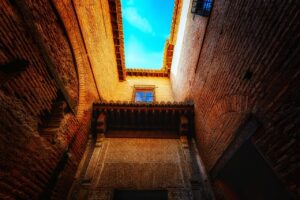
South Tunisia is a region that embodies the perfect blend of history, culture, and breathtaking landscapes. Steeped in tradition and heritage, this enchanting land has long been a beacon for travelers and food enthusiasts alike. This article invites the Maghrebi diaspora to embark on a gastronomic journey through this captivating terrain, led by the skilled culinary historian, Malek Labidi. As we delve into the world of Tunisian cuisine, we’ll explore the diverse terrain, from the sun-kissed sands of the Sahara to the ancient cities of Douz, Matmata, and Tozeur.
Malek Labidi’s extensive knowledge of Tunisian cuisine has made him an invaluable guide for those seeking to immerse themselves in the rich tapestry of South Tunisia’s gastronomy. His deep understanding of the region’s history, culture, and foodways has earned him a reputation as a leading authority on Tunisian cuisine. With his guidance, travelers can gain a deeper appreciation for the region’s culinary heritage, as well as experience the warmth and hospitality of the Tunisian people.
The Bedouin Cuisine: A Symphony of Flavors
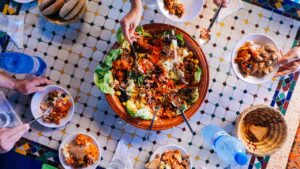
The Bedouin cuisine of South Tunisia is a testament to the region’s nomadic heritage, characterized by simple, hearty dishes that make use of the ingredients readily available in the desert. One such dish is the Sfouf, a vibrant yellow semolina cake flavored with saffron and turmeric, and traditionally served with cream or honey. Another is the Bsissa, a succulent meat and vegetable stew slow-cooked over an open fire, a perfect example of Bedouin cuisine’s emphasis on slow-cooking and communal dining.
Malek Labidi’s tours often include visits to Bedouin camps, offering travelers a unique opportunity to learn about and participate in the preparation of these traditional dishes, as well as gain insights into the Bedouin culture and lifestyle. Imagine sitting around a campfire, surrounded by the stars, as you learn the secrets of traditional Bedouin cooking. It’s an experience that will leave you with a deeper appreciation for the region’s culinary heritage and the people who have preserved it.
The Berber Cuisine: A Blend of Flavors and Traditions
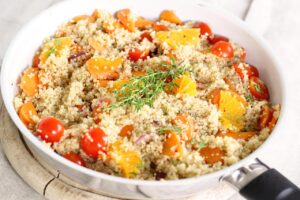
The Berber people, the indigenous inhabitants of North Africa, have left an indelible mark on the culinary landscape of South Tunisia. One of the most iconic Berber dishes is Couscous, a steamed mixture of semolina granules, cooked with vegetables, meat, and a flavorful broth. Each region has its own distinct version of Couscous, with South Tunisia’s being characterized by its use of local herbs and spices.
Another essential Berber dish is M’hanncha, a sweet, coiled pastry filled with almond paste and dusted with cinnamon and powdered sugar. These dishes, along with many others, showcase the Berber people’s deep connection to the land and their ability to create mouthwatering dishes using local ingredients. As we explore the Berber cuisine, we’ll delve into the region’s rich cultural heritage, and gain a deeper appreciation for the people and traditions that have shaped it.
The Jewish Cuisine: A Fusion of Cultures
The Jewish community of Tunisia has made significant contributions to the country’s culinary heritage, particularly in South Tunisia, where a large Jewish population has historically resided. One such dish is the Harissa, a fiery red paste made from chili peppers, garlic, and olive oil, that is an essential ingredient in Tunisian cuisine. The Jewish community’s influence on Harissa can be seen in its use of a variety of spices, such as cumin, coriander, and caraway.
Another example is the Makroudh, a dessert consisting of date filled pastry, that is a staple during festive occasions. This dish, like many others, is a testament to the rich cultural exchange that has shaped Tunisia’s culinary landscape. As we explore the Jewish cuisine, we’ll gain a deeper understanding of the region’s complex cultural heritage and the people who have shaped it.
The Date Oasis of Tozeur: A Gastronomic Paradise
Tozeur, nestled in the heart of the date palm oasis, is a gastronomic paradise that is home to some of the world’s most delicious dates. Visitors to Tozeur can embark on a tour of the date palm groves, where they can learn about the cultivation and harvesting of dates, as well as sample a wide variety of dates, each with its own unique flavor profile.
The region’s dates are not only enjoyed as a sweet treat but are also used extensively in local cooking, such as in the Makroudh and the traditional drink, Fenouj, a concoction made from date pulp and water. As we explore the date oasis of Tozeur, we’ll gain a deeper appreciation for the region’s unique agricultural heritage and the people who have preserved it.
Call to Action: Join Malek Labidi on a Culinary Journey through South Tunisia
We invite the Maghrebi diaspora to join Malek Labidi on a gastronomic adventure through the enchanting landscapes of South Tunisia. Experience the region’s rich culinary heritage firsthand, learn about its history and culture, and immerse yourself in the flavors and traditions that have been passed down through generations.
Whether you’re a food enthusiast, a culture lover, or simply seeking an unforgettable travel experience, a culinary tour with Malek Labidi promises to be a journey you’ll never forget. So why not join Malek Labidi on this culinary journey and discover the rich flavors and traditions of South Tunisia for yourself?
You might also enjoy
Related Articles
- Celebrating Tunisian Culinary Heritage: Malek Labidi’s Archive Project
- Reviving the Flavors of South Tunisia: Malek Labidi’s Preservation Crusade
- Exploring Amazigh Culture: Challenges, Future Prospects, and a Call to Action for the Maghrebi Diaspora
- Exploring the Cultural Connection of Maghrebi Diaspora in France: A Deep Dive into Our Roots and Future
- Cooking Up Culture: A Guide to Bahraini Cuisine