Unveiling the Elegance and Modesty: Exploring Muslim Fashion at de Young’s Exhibit
A Glimpse into the Rich History of Muslim Fashion
In the heart of San Francisco, the de Young Museum is currently hosting an extraordinary exhibit that showcases the beauty and modesty of Muslim fashion. This exhibit is a unique opportunity for our Maghrebi diaspora community to delve into the rich history and cultural diversity of Islamic clothing, and we encourage everyone to seize this chance. With over 100 garments on display, the exhibit is a visual celebration of the artistic and spiritual significance of Muslim clothing, spanning centuries and offering a captivating glimpse into the past and present of Muslim fashion.
The exhibit, titled ‘The Hammer: Style, Status, and Faith in Muslim Fashion’, is a culmination of years of research and curation, bringing together a wide range of garments from different Muslim-majority countries. From the intricate embroidery on traditional Maghrebi garments like the jellaba and burnous, to the vibrant colors and delicate beadwork of modern designs, the exhibit is a testament to the skill and dedication of the artisans who create these garments.
As the Maghrebi diaspora, we can appreciate the representation of our own cultural heritage in this exhibit, as it includes traditional Maghrebi garments like the jellaba and burnous, and showcases the influence of Maghrebi design elements on Muslim fashion worldwide. Visitors can appreciate the way in which traditional designs have evolved over time, incorporating new materials and techniques while still maintaining their cultural significance.
The Artistry and Skill in Muslim Fashion
One of the most striking aspects of the exhibit is the intricate craftsmanship that goes into each piece. The exhibit highlights the skill and dedication of the artisans who create these garments, showcasing the way in which patterns and motifs are used to express faith, honor tradition, and communicate status. Some patterns hold specific meanings, such as the eight-pointed star, which represents the eight pillars of Islam. Other patterns, such as the arabesque, are used for their aesthetic appeal and to emphasize the flowing, organic forms found in Islamic art.
Visitors to the exhibit can appreciate the sheer artistry and skill involved in creating these garments, and gain a newfound respect for the artisans who dedicate their lives to this craft. By witnessing the intricate embroidery, vibrant colors, and delicate beadwork, visitors can gain a deeper understanding of the cultural and spiritual significance of Muslim clothing.
The Evolution and Adaptation of Muslim Fashion
As Muslim communities have spread across the globe, so too has the evolution and adaptation of Muslim fashion. The exhibit showcases how different cultures have influenced Muslim clothing, from the incorporation of Western styles into traditional Maghrebi garments, to the blending of Indian and Middle Eastern elements in South Asian Muslim fashion. Visitors can see how these influences have resulted in the creation of unique and innovative designs that reflect the diversity of Muslim cultures.
The exhibit also highlights the role of technology in the modernization of Muslim fashion. Advances in textile production and digital design have made it possible for designers to create beautiful, functional, and fashionable garments that adhere to religious and cultural norms of modesty. Visitors can see how technology has enabled designers to create garments that are both stylish and modest, making it easier for Muslim women to dress in a way that is both fashionable and faithful to their beliefs.
The Significance of Modesty in Muslim Fashion
One of the most important aspects of Muslim fashion is modesty, which is rooted in Islamic values and beliefs. The exhibit emphasizes the importance of modesty in Muslim clothing, and how it serves as a visible expression of faith and a means of maintaining social order. Visitors can see how modesty is expressed through a wide range of garments, from the hijab, the headscarf worn by many Muslim women, to long-sleeved shirts and loose-fitting pants.
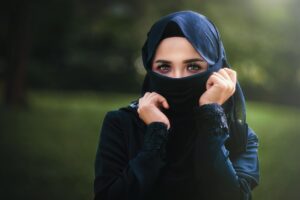
Modesty in Muslim fashion is not just about covering the body, but also about expressing humility, respect, and piety. The exhibit includes a section dedicated to the hijab, the headscarf worn by many Muslim women, and explores the diverse reasons why women choose to wear it. Visitors can see how the hijab has become a powerful symbol of Muslim identity and a means of asserting modesty and faith in a way that is both personal and cultural.
The exhibit also highlights the ways in which modesty can be expressed through fashionable and stylish garments. Visitors can see how designers have created modern, fashion-forward clothing that adheres to religious and cultural norms of modesty, demonstrating that modesty and style are not mutually exclusive. By witnessing the beauty and elegance of Muslim fashion, visitors can gain a deeper understanding of the cultural and spiritual significance of modesty in Muslim clothing.
A Call to Action: Supporting Muslim Artisans and Fashion
As we reflect on the beauty and significance of Muslim fashion, it’s important to remember that these garments are not just works of art, but also the fruits of the labor of skilled artisans. Many of these artisans face challenges in preserving their craft in the face of globalization, industrialization, and the rise of fast fashion. We encourage our Maghrebi diaspora community to support Muslim artisans and fashion by seeking out ethically-produced, sustainable, and culturally-authentic clothing.
By doing so, we can ensure the continued survival and flourishing of this rich and meaningful tradition. We can also promote greater understanding and appreciation of Muslim fashion, and challenge the dominant narratives that often portray Muslim clothing as being dull, conservative, or oppressive. By embracing the beauty and elegance of Muslim fashion, we can work towards a more inclusive and diverse fashion industry that celebrates the cultural and spiritual diversity of Muslim cultures.
You might also enjoy
Related Articles
- Exploring the Waves of Contemporary Muslim Fashion at the de Young Museum: A Celebration of Maghrebi Heritage and Diasporic Identity
- Discovering Maghrebi-Inspired Fashion at de Young’s ‘Contemporary Muslim Fashions’ Exhibit: A Celebration of Cultural Richness
- Embracing Modest Style: A Glimpse into the ‘Contemporary Muslim Fashions’ Exhibit at de Young
- Rediscovering the Elegance and Modesty of Muslim Fashion in the Maghreb: A Journey Through Time and Culture
- Unveiling the Best Travel Rewards for Exploring the Middle East and North Africa: A Comprehensive Guide for the Maghrebi Diaspora