Introduction
When King Muhammad VI ascended the throne in 1999, he set Morocco on a new trajectory of cultural, social, and economic transformation. His reign has been marked by a strong emphasis on education, reforms, and cultural preservation, which have far-reaching implications for the Maghrebi diaspora.
This article delves into the cultural transformation and reforms under King Muhammad VI, shedding light on his vision for Morocco and its potential impact on the Maghrebi diaspora. We’ll explore the ways in which his initiatives have revitalized Moroccan culture, reformed education, fostered economic growth, promoted human rights, and strengthened regional cooperation.
1. Cultural Revival and Preservation
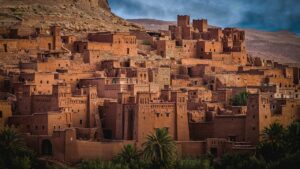
Morocco has experienced a cultural renaissance under King Muhammad VI, with a renewed focus on preserving and promoting its rich heritage. The King has prioritized the importance of maintaining Morocco’s cultural identity, particularly in the face of globalization. He has implemented policies to protect and promote traditional crafts, music, and languages, as well as UNESCO World Heritage sites.
This cultural revitalization has not only enriched Morocco’s cultural landscape but also has significant implications for the Maghrebi diaspora. By preserving and promoting Moroccan culture, the diaspora can maintain a strong connection to their homeland. For instance, the preservation of traditional crafts, such as tapestry weaving and pottery, has allowed Moroccan artisans to share their skills with the diaspora, fostering a sense of cultural continuity.
The King’s emphasis on cultural preservation has also led to the establishment of cultural centers and museums, which provide a platform for the diaspora to engage with Moroccan culture and learn more about their heritage. The National Museum of Morocco, for example, is a hub for cultural exchange, featuring exhibits on Moroccan history, art, and culture.
2. Education Reforms
Education reforms have been a cornerstone of King Muhammad VI’s agenda, aimed at equipping Moroccans with the skills necessary to compete in the global economy. The reforms have focused on improving access to education, particularly for girls and women, increasing the quality of teaching, and enhancing the relevance of curricula to the needs of the modern job market.
The Maghrebi diaspora stands to benefit significantly from these education reforms. A well-educated Morocco will not only boost the country’s economy but also provide a skilled workforce for diaspora members seeking to contribute to their homeland. The increased focus on STEM education, for example, has created opportunities for diaspora professionals to return to Morocco and share their expertise, contributing to the country’s economic development.
Moreover, the reforms have led to the establishment of vocational training programs, which provide diaspora members with the skills needed to excel in Morocco’s growing industries, such as tourism and renewable energy. The increased emphasis on vocational training has also helped to bridge the skills gap between Morocco and the diaspora, fostering a more inclusive and integrated community.
3. Economic Reforms
King Muhammad VI has also implemented economic reforms aimed at fostering growth, creating jobs, and reducing poverty. These reforms include measures to attract foreign investment, develop infrastructure, and promote entrepreneurship.
The Maghrebi diaspora can benefit from these economic reforms by investing in their homeland, contributing to its development, and potentially reaping the benefits of a growing Moroccan economy. The reforms have created opportunities for diaspora entrepreneurs to start businesses in Morocco, leveraging their skills and expertise to drive innovation and job creation.
Furthermore, the increased focus on infrastructure development has improved connectivity between Morocco and the diaspora, making it easier for diaspora members to travel to and from Morocco. The expanded transportation networks have also facilitated the movement of goods and services between Morocco and the diaspora, fostering trade and economic cooperation.
4. Human Rights and Democracy
Under King Muhammad VI, Morocco has made strides towards greater democracy and respect for human rights. The Constitution was amended to provide for a bicameral parliament, and the King has shown a commitment to protecting the rights of Moroccans, particularly in areas such as gender equality and freedom of expression.
These developments towards greater democracy and respect for human rights are significant for the Maghrebi diaspora, as they contribute to a more open and inclusive Morocco that values the rights and voices of all its citizens. The increased emphasis on human rights has also created opportunities for diaspora organizations to engage in advocacy and social activism, working to promote positive change in Morocco.
Moreover, the reforms have led to the establishment of institutions dedicated to promoting human rights, such as the Moroccan Human Rights Commission. This commission provides a platform for diaspora organizations to engage with Moroccan authorities, advocating for the rights of Moroccans and promoting social justice.
5. Regional Cooperation and Diplomacy
King Muhammad VI has also prioritized regional cooperation and diplomacy, seeking to strengthen Morocco’s ties with its neighbors and the international community. This focus on diplomacy has resulted in Morocco’s enhanced role in regional and international organizations, as well as increased foreign investment and diplomatic ties.
The Maghrebi diaspora can benefit from these diplomatic efforts by engaging with their homeland on a global stage and contributing to Morocco’s role in regional and international affairs. The increased focus on diplomacy has created opportunities for diaspora organizations to engage with Moroccan authorities, advocating for the interests of Moroccans and promoting cooperation between Morocco and the diaspora.
Conclusion
King Muhammad VI’s cultural transformation and reforms have ushered in a new era for Morocco, one characterized by a renewed focus on culture, education, economic development, human rights, and diplomacy. These reforms hold significant implications for the Maghrebi diaspora, offering opportunities for engagement, investment, and contribution to their homeland’s development.
We encourage members of the diaspora to stay informed about these developments and consider how they can contribute to Morocco’s continued progress. By engaging with their homeland and supporting its growth, diaspora members can help build a brighter future for Moroccans and the Maghrebi diaspora.
You might also enjoy
Related Articles
- Muhammad VI’s Reforms and Their Impact on Moroccan Culture: A Journey of Transformation
- Exploring Amazigh Culture in Morocco: Challenges, Future Prospects, and a Call to Action for the Maghrebi Diaspora
- Unveiling the Best Travel Rewards for Exploring the Middle East and North Africa: A Comprehensive Guide for the Maghrebi Diaspora
- The Rising Influence of the Maghrebi Diaspora in the Music Industry: A New Era of Musical Expression
- Halal Fest 2026: Celebrating Flavor, Culture, and the Maghrebi Diaspora