Exploring North African Christian Heritage: A Journey Through Egyptians and Phoenicians
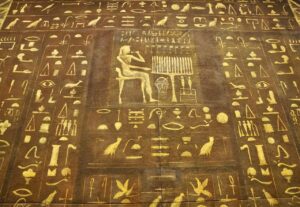
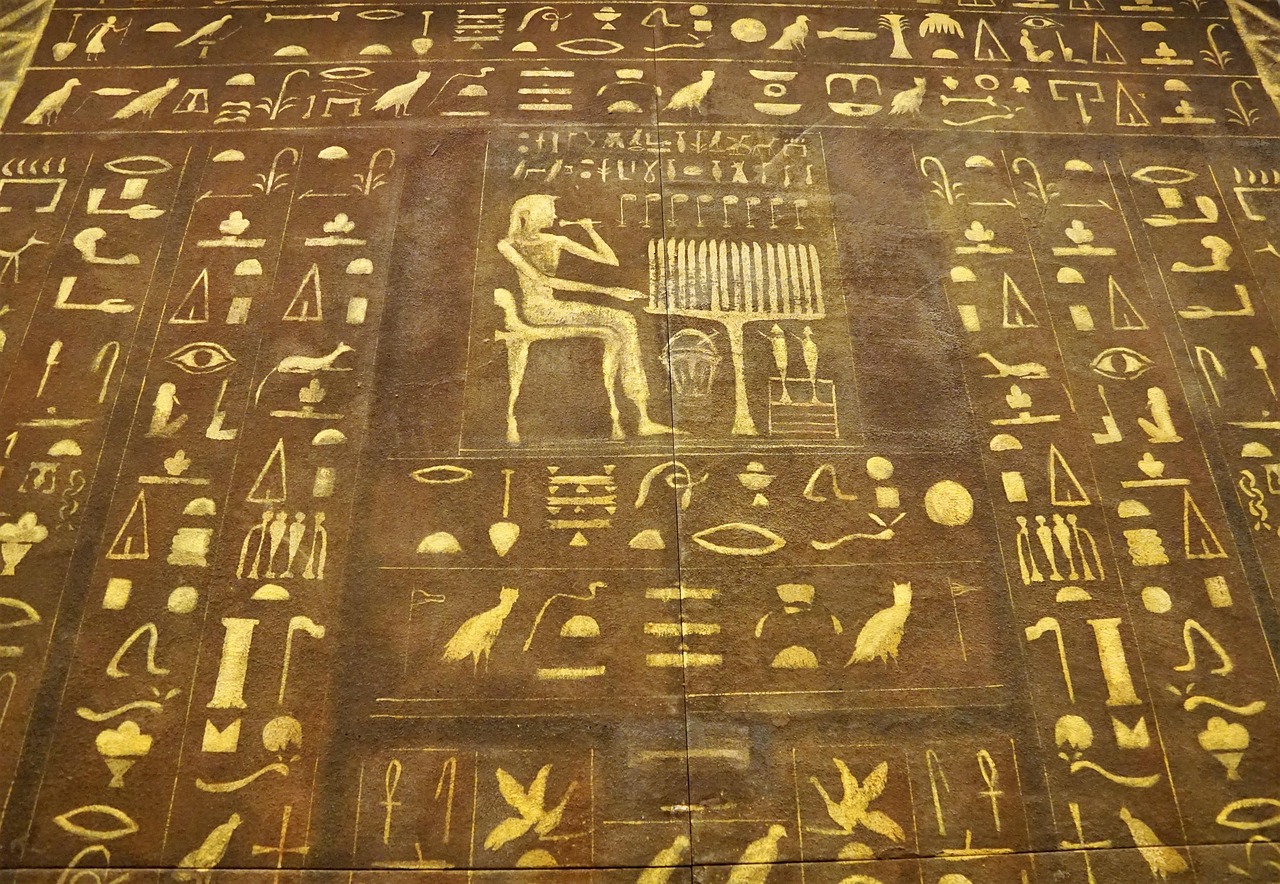
As we embark on this fascinating journey through the rich Christian heritage of North Africa, we’re reminded of the profound impact that the Egyptians and Phoenicians had on the development of Christianity. For centuries, these ancient civilizations played a significant role in shaping the faith, leaving behind a treasure trove of cultural and historical artifacts that continue to captivate us today. As members of the Maghrebi diaspora, reconnecting with our roots is essential, and understanding the historical role of these ancient civilizations will undoubtedly deepen our appreciation of our shared cultural identity.
Egyptian Christian Origins: The Beginnings of a Spiritual Legacy
It all began with the arrival of Saint Mark in Alexandria around 43 AD, marking the start of Egyptian Christian heritage. This pivotal moment would go on to shape the course of Christian history, as the city quickly became a center for Christian learning, attracting scholars from all over the Mediterranean. By the fourth century, Christianity had become the dominant religion in Egypt, and Alexandria became a major hub for the production of Christian texts, including the famous Peshitta version of the Bible. The Egyptian Coptic Orthodox Church, one of the oldest Christian churches in the world, emerged during this period, playing a crucial role in preserving the Christian faith during periods of persecution.
One of the most striking aspects of Egyptian Christian heritage is the Coptic language, which evolved from the ancient Egyptian language and was used for liturgical purposes. Today, some Egyptians still speak the Coptic language, a testament to the enduring legacy of this ancient civilization. The Monastery of Saint Anthony, located in the Egyptian desert, has been a center of Christian asceticism since the third century, attracting pilgrims from around the world who seek to connect with the spiritual practices that have shaped Christian thought.
Phoenician Influence: Spreading the Christian Gospel across North Africa
The Phoenicians, an ancient civilization that originated from modern-day Lebanon, played a crucial role in spreading Christianity throughout North Africa. As skilled seafarers and traders, they connected the Mediterranean world through their extensive network of colonies, including Carthage in present-day Tunisia. Christianity reached Carthage around the third century, and the city soon became a significant center for the faith. Saint Cyprian, a prominent early Christian leader, lived and worked in Carthage, leaving behind a legacy of influential writings that greatly impacted the development of Christian theology.
Under the influence of the Vandal Kingdom, which ruled North Africa between the fifth and seventh centuries, Carthage became an important center for Christian scholarship, with numerous schools and libraries dedicated to the study of Christian texts. The Phoenician contribution to North African Christian heritage is also evident in the famous mosaics found in sites like Dougga, El Djem, and Bulla Regia in modern-day Tunisia. These exquisite mosaics, which date back to the Roman period, often depict Christian themes and demonstrate the syncretism between the various religions that coexisted in North Africa during that time.
Egyptian and Phoenician Artistic Legacy: A Visual Testament to Faith
The artistic legacy of Egyptians and Phoenicians in North Africa can be seen in the numerous churches, monasteries, and mosaics that have survived to the present day. These structures often feature intricate carvings, frescoes, and mosaics that reflect the deep spiritual beliefs of the communities that built them. One of the most famous examples is the Basilica of Saint Victor in Carthage, which dates back to the fifth century. The basilica’s beautiful mosaics depict various Christian themes, including the Last Supper, the Crucifixion, and the Annunciation. The basilica also houses the tomb of Saint Cyprian, making it an essential pilgrimage site for many Christians.
Another important site is the Monastery of the Apostles in Qal’at al-Mukarram, Egypt, which was built in the seventh century and features a series of stunning frescoes depicting the lives of various Christian saints. These artistic treasures not only provide a glimpse into the spiritual practices of our ancestors but also serve as a testament to the enduring power of faith.
Preserving Our Christian Heritage: The Role of the Maghrebi Diaspora
As members of the Maghrebi diaspora, it is essential that we work to preserve and promote the rich Christian heritage that our ancestors left behind. This can be achieved through various means, such as supporting archaeological digs, sponsoring restoration projects, and organizing cultural events that celebrate our shared past. By doing so, we not only enrich our own cultural identity but also contribute to the global understanding of the diverse history of Christianity. Let us continue to honor our ancestors and ensure that their legacy lives on for generations to come.
Call to Action
Join us in preserving and celebrating the rich Christian heritage of North Africa by supporting cultural initiatives, visiting historic sites, and sharing your knowledge with others. Together, we can ensure that the legacy of the Egyptians and Phoenicians endures and continues to inspire us all. Let us work together to preserve this cultural treasure trove, allowing future generations to appreciate the profound impact that our ancestors had on the development of Christianity.
You might also enjoy
Related Articles
- Dave Patera’s Maghrebi Food Journey: A MasterChef’s Discovery of North African Culture
- Exploring North Africa: A Cultural Travel Guide for the Maghrebi Diaspora
- Exploring the Judeo-Amazigh Cultural Substratum in North Africa: A Deep Dive for the Maghrebi Diaspora
- Savoring North African Flavors: A Culinary Journey at Kayma in San Francisco
- Debunking the Myth of ‘Khawa Khawa’ in North African Culture: Unveiling the Truth Behind the Misconceptions