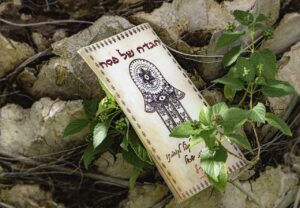
As the sweet aroma of freshly baked matzo wafts through the air, Marseille comes alive for Passover. For the city’s vibrant Tunisian Jewish community, the eight days of the holiday are an opportunity to celebrate their heritage with a unique twist on traditional dishes. This year, let’s embark on a journey to explore the story of Passover in Marseille, and learn how to prepare a delightful Tunisian treat, Yabrak, that will become a new family favorite. With its rich flavors and delicate texture, this savory pastry is sure to transport your taste buds to the heart of the city’s Tunisian Jewish community.
History and Origins
The Jewish community in Marseille has a rich and storied history dating back to the 1st century BC. Despite facing centuries of persecution, the community has persevered and thrived, creating a vibrant cultural tapestry that continues to enrich the city today. During Passover, the community comes together to commemorate the Exodus of the Israelites from Egypt, and to celebrate their freedom and resilience. As the scent of freshly baked matzo fills the air, the community gathers to share in the traditional Seder meal, a sacred ritual that honors the past while looking towards the future.
As we explore the story of Passover in Marseille, we’re reminded of the community’s deep roots in Tunisia. The city’s vibrant quarter is home to a rich tapestry of cultures, with the scent of spices and freshly baked bread wafting through the air. It’s a place where tradition and innovation blend seamlessly together, where the sounds of Arabic and Hebrew fill the air, and where the warmth of hospitality is always just a step away.
Introduction to Yabrak
One of the most cherished traditions in Tunisian Jewish cuisine is Yabrak, a savory pastry filled with a fragrant mix of vegetables, pine nuts, and spices. Often served during Passover, Yabrak is a delicious reminder of the community’s roots in Tunisia, and a perfect dish to share with family and friends. In this recipe, we’ll guide you through the steps to create an authentic Yabrak that will transport you to the heart of Marseille’s Tunisian quarter.
Yabrak is more than just a dish – it’s a symbol of community and tradition. As you gather around the table to share this delicious treat, you’ll be reminded of the warmth and hospitality that defines the city’s Tunisian Jewish community. With its rich flavors and delicate texture, Yabrak is a true reflection of the community’s cultural heritage, and a dish that’s sure to become a new family favorite.
Ingredients (makes 12-16 pieces)
Making Yabrak is a labor of love, but the result is worth every minute. You’ll need a few specialty ingredients to create the perfect filling, but don’t worry – we’ll walk you through where to find them.
- 500 g phyllo dough – available in the freezer section of most Middle Eastern grocery stores
- 4 medium zucchini – finely chopped
- 4 medium carrots – finely chopped
- 3 medium bell peppers – finely chopped
- 2 medium onions – finely chopped
- 120 g pine nuts
- 2 tbsp ras el hanout
- 1 tbsp ground cumin
- 1 tbsp paprika
- 2 tbsp olive oil
- Salt and black pepper to taste
- 12-16 dried grape leaves – available at Middle Eastern grocery stores or online
Step-by-Step Instructions
Prep time: 30 minutes | Cook time: 45 minutes | Difficulty: Medium
- Sauté the vegetables: heat olive oil in a large skillet over medium heat. Add the onions, zucchini, carrots, and bell peppers. Cook until softened, about 10 minutes. Stir in pine nuts, ras el hanout, cumin, paprika, salt, and pepper. Cook for another 5 minutes, until fragrant.
- Prepare the phyllo dough: lay out a sheet of phyllo dough on a clean, floured surface. Brush lightly with water, and top with another sheet of dough. Cut the dough into 3-inch squares.
- Wrap the filling: place a spoonful of filling in the center of each square. Fold the corners in to form a triangle, then roll the triangle up to encase the filling. Repeat until all the dough and filling is used.
- Steam the yabrak: place the grape leaves in the bottom of a steamer basket or large pot with a steamer insert. Arrange the yabrak triangles on top, tightly packed but not overlapping. Steam over boiling water for 20-25 minutes, until the pastry is tender and the filling is cooked through.
Tips for Success
Yabrak may seem daunting, but with a few simple tips, you’ll be able to create delicious results every time.
- Use a clean, dry surface when working with phyllo dough to prevent sticking.
- Be careful not to overfill the yabrak – a spoonful or two of filling is enough.
- Cover the prepared yabrak with a damp cloth to prevent them from drying out while you work.
Variations
Yabrak can be customized to suit your tastes. Try adding chopped olives, feta cheese, or even ground lamb to the filling for a heartier version.
Serving and Presentation
Serve Yabrak warm or at room temperature, as a delicious side dish or light main course. Arrange the yabrak on a platter, garnished with fresh herbs if desired. A drizzle of harissa on the side adds a spicy kick.
Conclusion
Passover in Marseille is a celebration of tradition and community, and Yabrak is the perfect dish to share with loved ones. With its rich flavors and delicate texture, this Tunisian treat is sure to become a family favorite. So gather your ingredients, roll up your sleeves, and prepare to transport your taste buds to the heart of the city’s Tunisian Jewish community.
You might also enjoy
Related Articles
- Yabrak: A Passover Tradition in Tunisian Marseille
- Savoring Spring: Yabrak, A Traditional Tunisian Dish for Passover
- Celebrating Ramadan with a traditional Amazigh recipe: Yennayer feast
- Reviving Traditional Maghrebi Cuisine: A Look at Ramadan Recipes
- Discovering a New Chapter: Museum of Moroccan Jewish Culture in Fez