Introduction
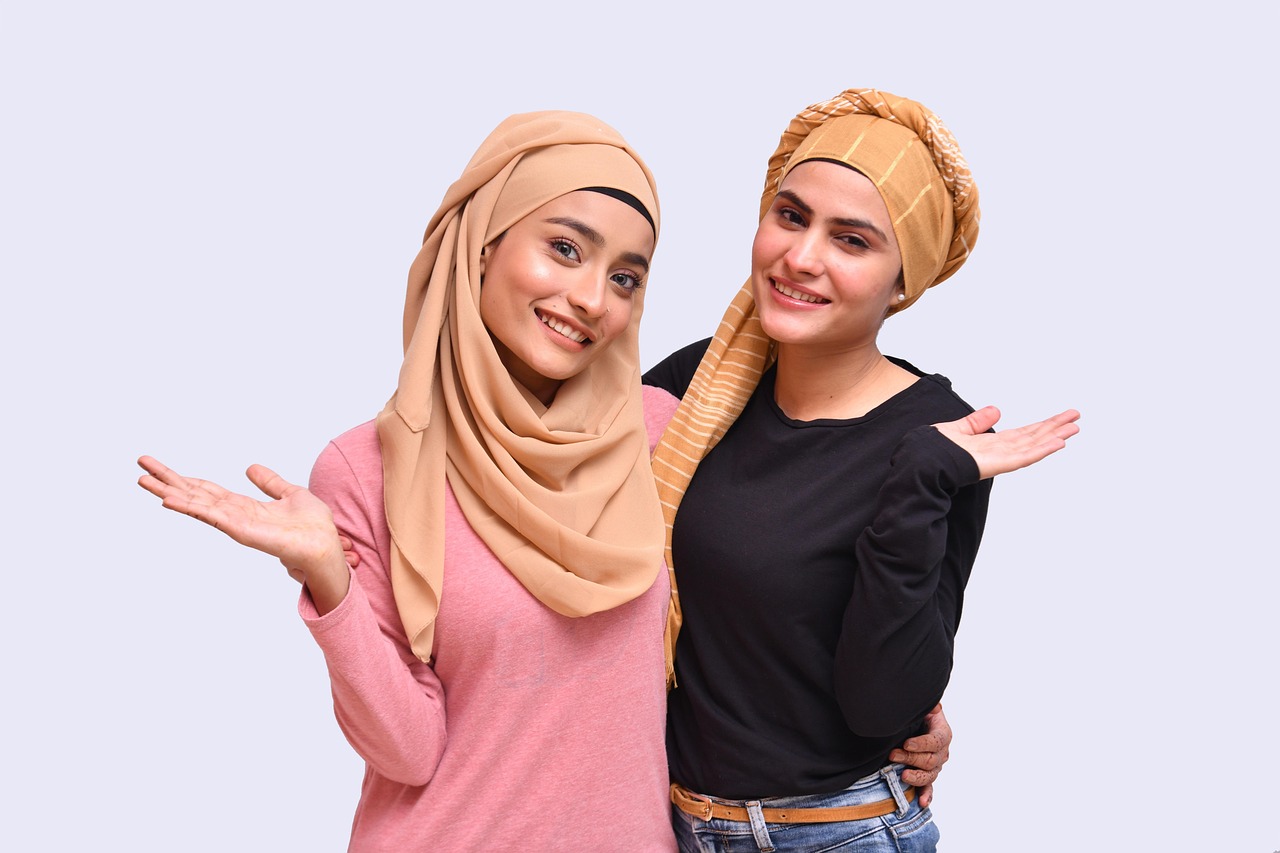
The world of fashion is constantly evolving, and the styles of contemporary Muslim women, particularly within the Maghrebi diaspora, are playing a significant role in shaping the concept of modest fashion. This article delves into the transformative impact of these trends, celebrating their cultural richness and empowering influence. From traditional attire to modern designs, the fusion of heritage and innovation is redefining the fashion landscape.
As the global fashion industry continues to expand, we are witnessing a surge in the appreciation and adoption of modest styles. This shift is largely attributed to the increasing visibility and influence of Muslim women, who are breaking stereotypes and redefining fashion norms. With their unique blend of cultural heritage and personal expression, Muslim women are making a profound impact on the fashion industry.
1. Traditional Roots: A Legacy of Elegance
The roots of contemporary Muslim women’s fashion can be traced back to the traditional attire of the Maghreb region, encompassing Algeria, Morocco, Tunisia, and Libya. These countries’ rich heritage is reflected in the intricate designs, vibrant colors, and high-quality fabrics that characterize their traditional clothing. From the Algerian jellaba to the Moroccan djellaba, these garments have been passed down through generations, maintaining their cultural significance while adapting to modern times.
Traditional clothing has not only played a significant role in preserving cultural identity but also served as a source of inspiration for contemporary designers. Today, these designs are being infused with modern elements, creating a harmonious blend of tradition and innovation. The fusion of heritage and modernity is giving rise to a new generation of fashion-conscious women who are proud to showcase their cultural roots.
Take, for instance, the iconic Moroccan caftan. This traditional garment has been reimagined by contemporary designers, who are incorporating modern materials and designs while maintaining its cultural essence. The result is a unique blend of tradition and modernity, perfect for the fashion-conscious Muslim woman.
2. The Emergence of Modest Fashion: A Response to Cultural and Religious Values
The growing interest in modest fashion can be attributed to the desire among Muslim women to express their religious and cultural identities through their clothing choices. Modest fashion refers to clothing that adheres to Islamic guidelines, covering the body from head to toe, while still allowing for personal expression and style. This movement has gained momentum as more women seek to maintain their religious commitments while remaining stylish and fashionable.
The Maghrebi diaspora has played a crucial role in this movement, with many designers creating collections that cater to the needs and preferences of Muslim women while staying true to their cultural heritage. From abayas to hijabs, these designs are not only a reflection of cultural identity but also a statement of religious commitment.
The modest fashion movement is not only a response to cultural and religious values but also a reflection of the empowerment and confidence that comes with wearing clothing that aligns with one’s beliefs and values. For Muslim women, modest fashion is a way to assert their identity and express their faith through their clothing choices.
3. The Rise of Social Media: Amplifying the Voices of Muslim Women
The advent of social media platforms has provided a powerful tool for Muslim women to share their fashion choices and inspire others. Platforms like Instagram and Pinterest have created a virtual community where Muslim women can showcase their personal styles, share fashion tips, and connect with like-minded individuals.
This online presence has not only served to counteract negative stereotypes and promote a more accurate and positive representation of Muslim women in the fashion industry but also provided a platform for Muslim women to share their fashion choices and inspire others. From hijab-wearing influencers to modest fashion bloggers, social media has given rise to a new generation of fashion-conscious Muslim women who are breaking barriers and challenging stereotypes.
The rise of social media has also enabled Muslim women to connect with one another, share their experiences, and support each other in their fashion choices. This online community has given rise to a new era of fashion empowerment, where Muslim women are taking control of their fashion choices and expressing their identities through their clothing choices.
4. Collaborations and Partnerships: Bridging the Gap Between Tradition and Modernity
In an effort to cater to the growing demand for modest fashion, numerous fashion brands have partnered with Muslim designers to create collections that are both stylish and modestly-friendly. These collaborations have not only expanded the offerings of mainstream fashion brands but also provided opportunities for Muslim designers to showcase their talent and contribute to the global fashion landscape.
Some notable collaborations include Uniqlo’s partnership with Hana Tajima, a British-Japanese Muslim designer, and the collaboration between Modanisa and Mango to create a modest fashion line. These partnerships have not only given rise to innovative designs but also provided a platform for Muslim designers to share their cultural heritage and showcase their talent.
The rise of collaborations and partnerships has also enabled fashion brands to tap into the growing demand for modest fashion, providing a unique opportunity for Muslim women to express their identities and connect with like-minded individuals. From hijab-wearing models walking the runway to modest fashion weeks being held in various cities, the fashion industry is increasingly embracing and celebrating diversity.
5. Empowerment and Activism: Fashion as a Tool for Change
The contemporary Muslim women’s fashion movement is not just about style; it is also about empowerment and activism. Many Muslim women are using fashion as a platform to challenge societal norms and advocate for their rights. From hijab-wearing models walking the runway to modest fashion weeks being held in various cities, the fashion industry is increasingly embracing and celebrating diversity.
For Muslim women, fashion is not just a means of self-expression but also a tool for empowerment and activism. By wearing clothing that aligns with their beliefs and values, Muslim women are asserting their identity and challenging societal norms. The modest fashion movement is a testament to the power of fashion as a tool for change, providing a platform for Muslim women to express their identities and advocate for their rights.
Conclusion
The impact of contemporary Muslim women’s fashion on modest style is undeniable, as it continues to shape and redefine the fashion industry. The Maghrebi diaspora has played a significant role in this transformation, contributing to the global growth of modest fashion and challenging stereotypes through their fashion choices.
As we move forward, it is essential to continue supporting and celebrating the contributions of Muslim women in the fashion world. Embrace the beauty and diversity of contemporary Muslim women’s fashion, and join the movement towards a more inclusive and representative industry. By doing so, we can create a more equitable and diverse fashion industry that celebrates the cultural richness and empowering influence of Muslim women’s fashion.
You might also enjoy
Related Articles
- Modern Muslim Women’s Fashion: Blending Tradition and Contemporary Style – A Journey for the Maghrebi Diaspora
- Modern Fashion Trends for Maghrebi Women: Balancing Tradition and Contemporary Style
- Modern Muslim Fashion Trends: Influence, Inspiration, and the Evolution of Maghrebi Style
- Exploring the Culinary Heritage of South Tunisia with Malek Labidi: A Gastronomic Journey for Maghrebi Diaspora Readers
- Embracing Modernity: Exploring the Latest Halal Fashion Trends for the Maghrebi Community