Introduction
As we delve into the world of Maghreb weddings, it’s hard not to be fascinated by the rich cultural heritage and the evolving traditions that make these celebrations so unique. As members of the Maghrebi diaspora, we are deeply connected to our roots and eager to understand how these traditions are shaping the future of Maghreb weddings.
Over the years, Maghreb weddings have undergone significant transformations, reflecting the influences of modernity, globalization, and the changing values of society. In this article, we’ll explore the vibrant, diverse, and ever-evolving traditions that make Maghreb weddings truly special.
The Evolution of Maghreb Wedding Attire
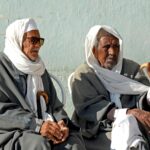
One of the most striking changes in Maghreb weddings is the transformation of wedding attire. In the past, traditional Maghrebi attire was worn by both men and women, with intricate details and bold colors that reflected the region’s rich cultural heritage.
Today, many Maghrebis, especially those living in the diaspora, are choosing to blend traditional attire with modern styles, resulting in stunning, unique ensembles that pay homage to the past while embracing the future. For instance, the Tunisian ‘jebba’ and ‘burnous’, the Algerian ‘djellaba’, and the Moroccan ‘kaftan’ and ‘chaqueté’ continue to be popular choices for both men and women.
These traditional pieces are often paired with contemporary elements, such as tailored trousers, statement jewelry, and designer shoes. In fact, some couples are opting for bespoke wedding attire, designed specifically to reflect their personal style and cultural heritage.
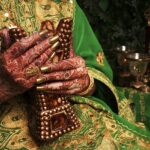
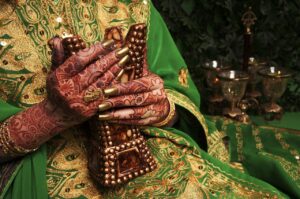
Moreover, the use of colors, fabrics, and embellishments has become increasingly sophisticated, with many couples incorporating intricate embroidery, beading, and other decorative elements into their attire. This blending of traditional and modern styles has resulted in truly unique and breathtaking wedding ensembles.
The Role of Music and Dance in Maghreb Weddings
Music and dance have always played a significant role in Maghreb weddings, serving as a means to celebrate and unite the community. Traditional Maghrebi music, such as raï, chaâbi, and gnawa, continue to be popular choices for wedding receptions.
In recent years, however, the music scene has become more diverse, with couples increasingly opting for a mix of traditional and contemporary tunes, as well as international hits. Moreover, the emergence of DJs and live bands has added a new dimension to the wedding entertainment experience, allowing couples to tailor their music to their personal taste and style.
Dance performances, such as the Raïnaoui, Shawi, and Chaabini, are also an essential part of Maghreb weddings. While these traditional dances remain popular, some couples are incorporating modern dance styles, such as hip-hop and belly dancing, into their celebrations, adding a fresh and dynamic element to the wedding festivities.
The Modernization of Maghreb Wedding Ceremonies
Modern Maghreb weddings have seen a shift towards more streamlined and efficient ceremonies, influenced by the growing emphasis on practicality and convenience.
One notable change is the growing popularity of civil ceremonies, which are becoming increasingly common, especially among urban, educated, and younger Maghrebis. These ceremonies are shorter, simpler, and legally binding, making them a practical choice for many couples.
In addition, the use of technology, such as live streaming and virtual invitations, is becoming more prevalent, allowing couples to share their special day with loved ones who may not be able to attend in person. This has made it easier for families and friends to participate in the celebration, regardless of their location.
The Influence of Western Wedding Traditions
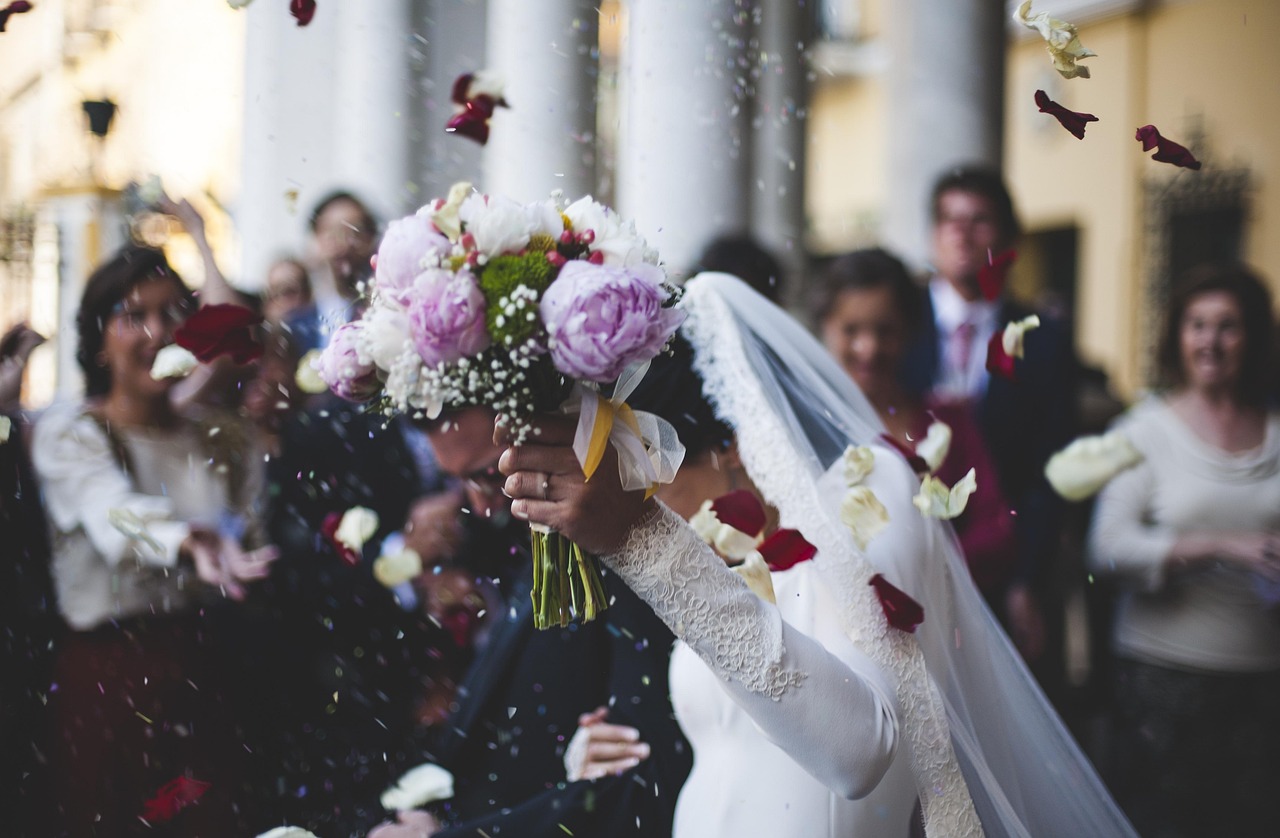
The influence of Western wedding traditions is evident in modern Maghreb weddings. From the white wedding dress to the exchange of wedding rings, many Western wedding customs have been embraced by Maghrebi couples.
However, it’s essential to note that these traditions are often adapted to fit the unique cultural context of the Maghreb. For instance, the ‘koubba’ – a traditional Moroccan wedding tent – is still an integral part of many weddings, even as other Western elements are incorporated.
Moreover, some Maghrebis are actively seeking to preserve and promote their own traditions, viewing them as a valuable and distinct part of their cultural identity. This has led to a renewed focus on cultural heritage and the importance of honoring one’s roots.
Conclusion and Call to Action
The evolution of Maghreb weddings reflects the dynamic and ever-changing nature of the region’s culture. From the transformation of wedding attire to the modernization of wedding ceremonies, these traditions are adapting to the changing values and needs of society while maintaining their rich cultural heritage.
As members of the Maghrebi diaspora, it’s essential that we continue to celebrate and support these traditions, while also embracing the changes that are shaping the future of Maghreb weddings. Let’s keep the conversation going! Share your thoughts, experiences, and memories of Maghreb weddings with us, and let’s work together to preserve and promote this beautiful cultural heritage.
You might also enjoy
Related Articles
- Redefining Maghreb Weddings: A Glimpse into Modern Traditions in France
- Paris Exhibition: Unveiling the Evolution of Maghreb Weddings
- Celebrating North African Culture: Padres’ MENA Heritage Night
- Unveiling the Transformation: Maghreb Weddings in Paris Exhibition
- Rediscovering North African Culture: Ancient Civilizations and Phoenician, Egyptian Influences