


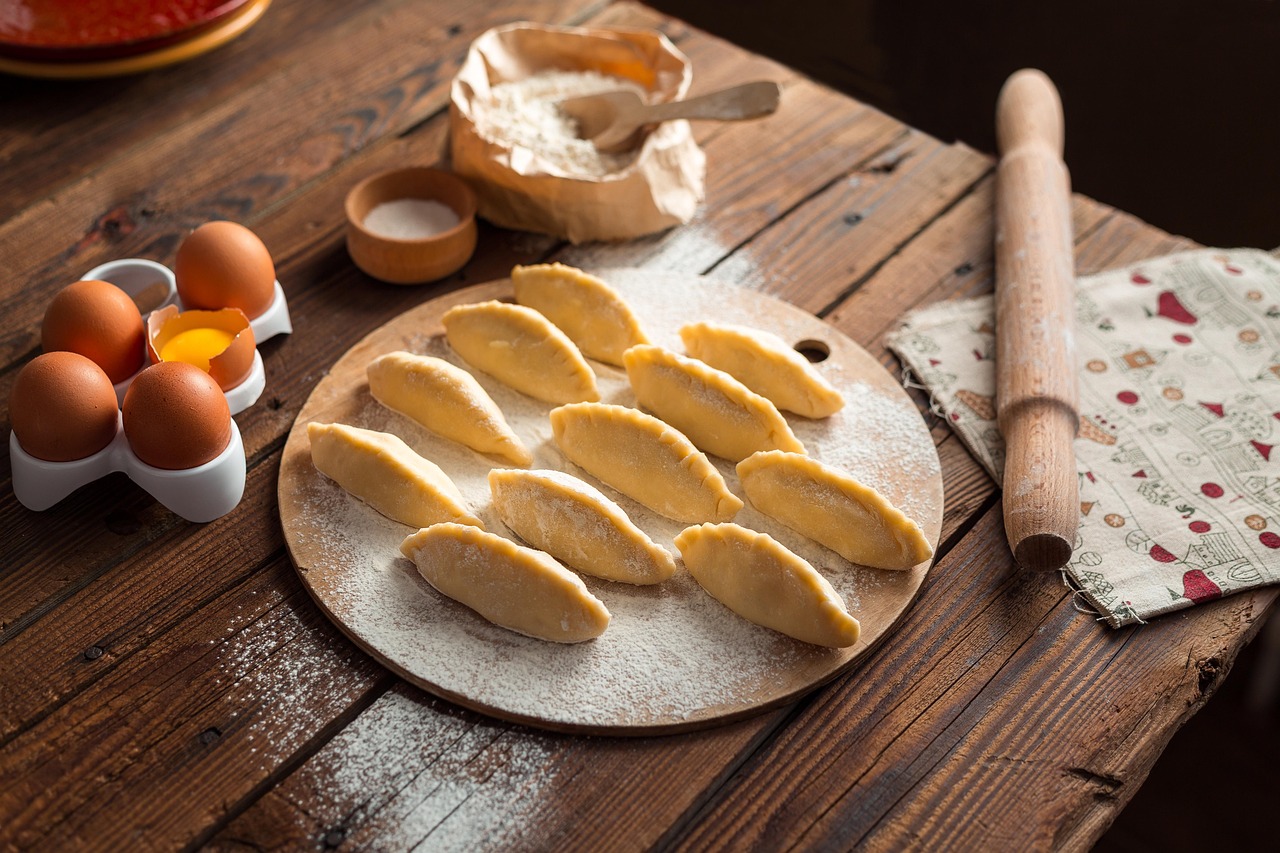
A Yabrak Recipe for a Tunisian Passover in Marseille: A Culinary Journey for the Maghrebi Diaspora
Welcome to a culinary adventure that will transport you to the charming streets of Marseille, where the aromas of North African and French cuisine blend together in perfect harmony. As we explore the intricacies of preparing a Yabrak, a traditional Tunisian dish with a Marseille twist, get ready to embark on a gastronomic journey that will delight your senses and warm your heart.
The Roots of Tunisian Cuisine in Marseille
Marseille, a city that has been shaped by the Mediterranean’s rich cultural heritage, has long been a melting pot of culinary traditions. The Maghrebi diaspora, which has left an indelible mark on the city’s gastronomy, is a testament to the city’s ability to absorb and adapt the flavors of its various cultural influences. The result is a unique blend of Tunisian, French, and Mediterranean flavors that is as vibrant as it is delicious.
Among the many dishes that have been influenced by this cultural exchange, the Yabrak holds a special place in the hearts of Marseillais. This vine leaf-wrapped delight, typically filled with rice, vegetables, and spices, has been adapted to suit the palates of Marseille’s diverse population, resulting in a harmonious blend of flavors that is as refreshing as it is invigorating.
Gathering the Ingredients for a Yabrak
A Yabrak is a dish that requires careful attention to detail, from the selection of the freshest ingredients to the precise wrapping of the vine leaves. For our Passover adaptation, we’ll be using matzo meal instead of rice, ensuring the dish remains kosher for the holiday. Let’s start by gathering the essential ingredients, shall we?
- Matzo meal: The foundation of our dish, replacing the traditional rice.
- Vine leaves: Fresh and preserved, these leaves will serve as the wrapper for our Yabrak. You can find them at your local Mediterranean market or online.
- Olive oil: A staple in both Tunisian and French cuisines, used for sautéing and seasoning. Look for high-quality, extra-virgin olive oil for the best flavor.
- Onions, garlic, and tomatoes: Essential aromatics that contribute to the dish’s flavorful profile. Use a combination of sweet and red onions for added depth.
- Spices: Cumin, coriander, paprika, and turmeric will add depth to the Yabrak. You can adjust the proportions to suit your taste preferences.
- Vegetables: Bell peppers, carrots, and zucchini will add texture and nutrients to our dish. Feel free to use other vegetables of your choice, such as eggplant or mushrooms.
- Preserved lemons: A traditional Tunisian ingredient, adding a unique tanginess to the Yabrak. Look for them at your local Mediterranean market or make your own.
- Salt and pepper: Season to taste. Use freshly ground black pepper for the best flavor.
Preparing the Filling for the Yabrak
Begin by sautéing the onions, garlic, and spices in olive oil until fragrant. The aroma of the spices will fill the air, transporting you to the bustling markets of Tunisia. Add the chopped vegetables and cook until tender, then stir in the matzo meal. The mixture should be well combined and slightly crispy.
Next, add the preserved lemons, salt, and pepper. The tanginess of the lemons will balance out the earthiness of the vegetables, creating a harmonious flavor profile. Taste the filling and adjust the seasoning as needed.
Wrapping and Cooking the Yabrak
Blanch the vine leaves to remove any bitterness, then cool them down. This step is crucial in ensuring the leaves remain tender and pliable. Once the leaves are cool, carefully wrap the filling in the leaves, securing them with toothpicks. You can also use a little bit of water to help the leaves stick together.
Stack the wrapped Yabraks in a pot, arranging them tightly to prevent them from unwrapping during cooking. Pour in enough water to cover the base of the pot, then cover the pot and simmer the Yabraks until the leaves are tender. This may take anywhere from 20 to 30 minutes, depending on the size of your Yabraks.
Serve the Yabraks warm, garnished with fresh herbs if desired. The aroma of the dish will fill the air, transporting you to the charming streets of Marseille. The flavors of the Yabrak will meld together in perfect harmony, a testament to the cultural exchange that defines this dish.
Bringing the Yabrak Tradition to Your Passover Table
The Yabrak is not only a delicious dish but also a testament to the rich cultural exchange that defines Marseille. Prepare this Tunisian-inspired Passover dish and share the flavors of the Maghrebi diaspora with your loved ones. Enjoy your Passover celebration with a twist of Marseille’s multicultural gastronomy, and discover the joy of bringing people together through food.
You might also enjoy
Related Articles
- Celebrating Ramadan with Tunisian Yabrak Recipe in Marseille: A Culinary Journey through the Maghrebi Diaspora
- A Culinary Journey with MasterChef Dave Patera Through Maghrebi Cuisine
- Celebrating Ramadan with Traditional Algerian Chorba Frik: A Culinary Journey for the Maghrebi Diaspora
- Celebrating Culinary Heritage: Diving into Malek Labidi’s Archive of South Tunisian Cuisine
- Empowering Modern Muslim Women’s Fashion: Insights from Contemporary Styles – A Journey for the Maghrebi Diaspora