


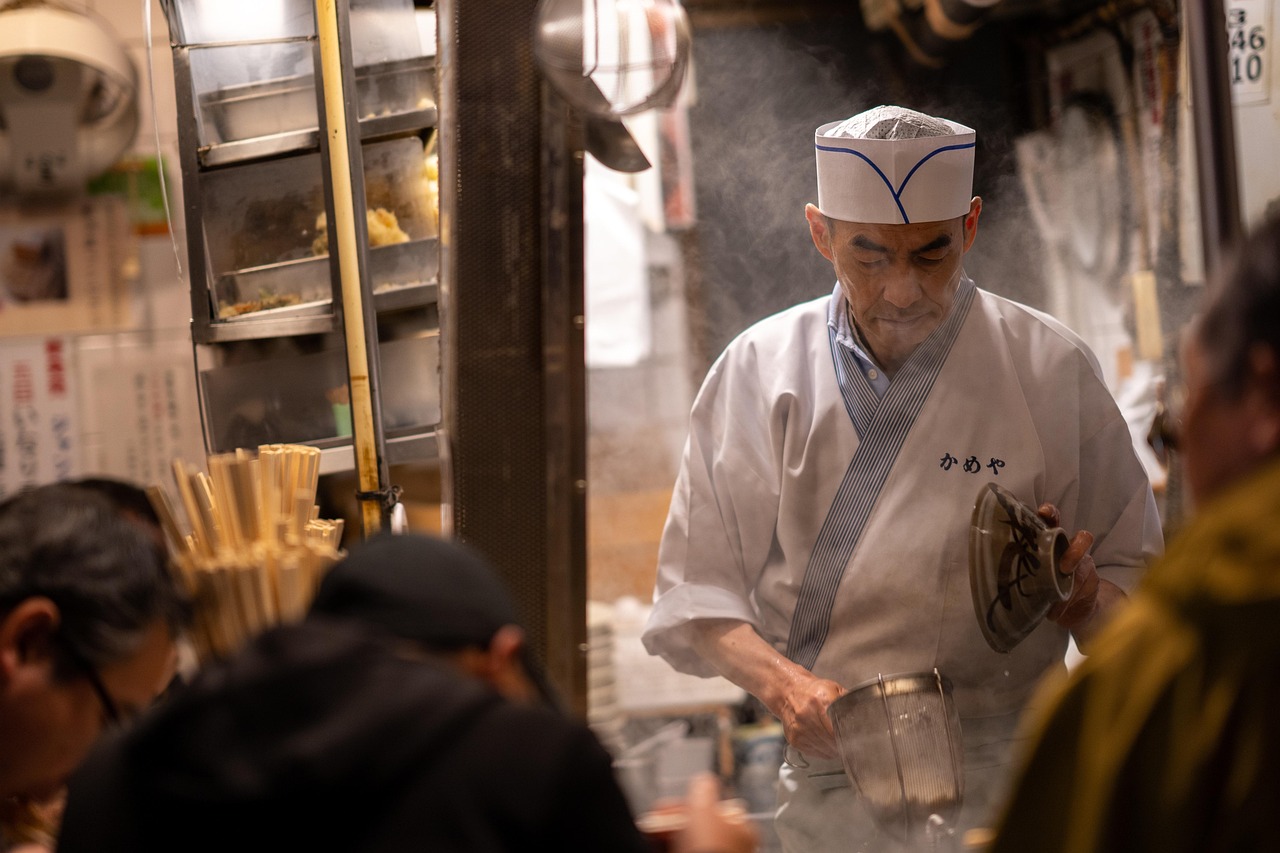
A Culinary Journey Through Tunis: A Local Chef’s Perspective
Welcome, dear Maghrebi diaspora readers, to a virtual tour through the heart of Tunisia, as seen through the eyes of a local chef. As we embark on this culinary journey, I invite you to join me in reconnecting with the rich culinary heritage that binds us all. This journey is not just about exploring the vibrant flavors and traditions of Tunisia, but also about embracing our roots and celebrating the diversity that makes our community so unique.
The Marketplaces of Tunis: A Symphony of Sensory Delights
The markets of Tunis are a sensory feast, where the sights, smells, and sounds of the city come together to create a culinary experience like no other. From the bustling Souk El-Attarine, where the aroma of spices and herbs fills the air, to the vibrant Hara Kebira, where fresh produce and exotic meats are on display, every market in Tunis is a testament to the country’s diverse culinary landscape.
As a chef, I draw inspiration from these markets every day. The ripe tomatoes, succulent olives, and aromatic herbs are woven into the fabric of my dishes, each one a tribute to the land and its people. Whether I’m creating a hearty couscous dish, a flavorful tagine, or a simple salad, the markets of Tunis are always at the forefront of my mind.
A visit to the markets is not complete without a taste of the famous Tunisian street food. The sizzling sounds of sfouf and bourekks being fried, the tantalizing aroma of spiced meats on skewers, and the sweet fragrance of freshly-baked baghrir all promise an unforgettable gastronomic adventure. Whether you’re a foodie, a culture vulture, or simply someone who loves trying new things, the markets of Tunis have something for everyone.
Traditional Tunisian Cuisine: A Symphony of Flavors
Tunisian cuisine is a harmonious blend of Berber, Arab, Ottoman, and French influences, each layer adding its unique flavor profile. At the heart of this culinary symphony are the staples of couscous, harissa, and olives. These ingredients are the building blocks of many traditional dishes, from the classic merguez sausages to the flavorful spiced fish.
Couscous, a semolina granule, is a versatile ingredient that can be served with a variety of vegetables, meats, and spices. Each region in Tunisia has its own unique couscous recipe, making it a true reflection of the country’s cultural diversity. Whether you’re in the north, south, east, or west, couscous is always at the center of the table.
Harissa, a spicy paste made from chili peppers, garlic, and olive oil, is a cornerstone of Tunisian cuisine. Its heat and complexity add depth to many dishes, from the traditional merguez sausages to the flavorful spiced fish. Whether you like it mild or fiery, harissa is the perfect addition to any meal.
Modern Tunisian Cuisine: Innovation and Tradition in Harmony
As a chef, I am constantly seeking ways to innovate while staying true to the roots of Tunisian cuisine. I draw inspiration from the old and the new, blending traditional techniques with modern ingredients to create dishes that excite and delight. Whether I’m adding exotic spices to a traditional tagine or incorporating modern flavors into a classic couscous dish, my goal is to push the boundaries of Tunisian cuisine while still honoring its rich heritage.
One such example is my modern take on Makhoush, a traditional Tunisian dish made with fried flatbread and vegetables. By adding exotic spices and a touch of innovation, I’ve created a dish that is both familiar and unexpected. Whether you’re a fan of traditional cuisine or looking to try something new, my modern Makhoush is sure to impress.
The Art of Tunisian Baklava: A Sweet Tribute to the Past
Baklava, a honey-soaked pastry made with layers of filo and nuts, is a symbol of Tunisia’s rich past. It’s a labor of love, a testament to the skill and dedication of Tunisian bakers. Whether you’re looking for a sweet treat or a special dessert to impress your guests, baklava is the perfect choice.
As a chef, I’ve sought to elevate this humble dessert by experimenting with different nut combinations and honey varieties. The result is a baklava that is at once traditional and unique, a testament to the enduring allure of this sweet treat. Whether you’re a fan of nuts, honey, or just a good dessert, my baklava is sure to satisfy your sweet tooth.
A Call to Action: Embrace Your Roots, Explore Tunisia
I invite you, dear readers, to join me on this culinary journey through Tunisia. Whether you’re planning a visit or simply dreaming of the flavors, let this article serve as a reminder of the rich culinary heritage that binds us all. Embrace your roots, explore Tunisia, and let the flavors of home inspire you. Whether you’re a foodie, a culture vulture, or simply someone who loves trying new things, Tunisia has something for everyone.
So come along with me on this culinary adventure, and let the vibrant flavors and traditions of Tunisia inspire you to explore your own roots and heritage. Who knows? You might just discover a new favorite dish or a hidden talent for cooking. The possibilities are endless, and the journey is waiting for you.
You might also enjoy
Related Articles
- Chef Dave Patera’s Maghrebi Food Journey: A Love Letter to North African Cuisine
- Discovering the Maghreb: Selara Africa’s Comprehensive Travel Guides for the Algerian, Tunisian, and Moroccan Diaspora
- Chef Salam Dakkak’s Guide to a Perfect Bandor Fry: A Delicious Journey Through the Maghrebi Culinary Tradition
- Unveiling the Cultural Fusion of Bahraini Cuisine: A Culinary Journey Worth Exploring
- A Culinary Journey: Algerian Culture, Traditions, and Cuisine