

Reviving Our Roots: A Journey through the Amazigh Culture of Morocco
Welcome, dear Maghrebi diaspora, as we embark on a captivating journey to explore the rich and vibrant world of the Amazigh culture in Morocco. This odyssey will not only enlighten us about the past and present of our shared heritage but also inspire us to shape its future.
The Roots of Amazigh Culture: A Brief History
The Amazigh people have been the indigenous inhabitants of North Africa since prehistoric times, long before the arrival of the Arab conquerors in the 7th century. Their resilience and adaptability have allowed them to preserve their unique traditions and customs throughout the ages, despite the pressures of colonialism and modernization.
From the High Atlas Mountains to the Sahara Desert, Amazigh communities have maintained their distinct identities, each region showcasing its own unique flavors. For instance, the Aït Atta tribe in the Atlas Mountains is renowned for its stunning traditional jewelry, while the Tuareg of the Sahara are famous for their intricate silverwork.
In Morocco, Amazigh culture has been an integral part of the nation’s tapestry for centuries. However, it was only in 2011 that Tamazight, the Amazigh language, was officially recognized as one of Morocco’s two national languages, marking a significant milestone in the journey towards cultural recognition and preservation.
The Tamazight Language: Bridging the Gap between Generations
Tamazight, with its rich phonetic and linguistic diversity, is an essential pillar of Amazigh culture. For far too long, the Tamazight language has been marginalized and neglected, with Arabic dominating the educational and administrative spheres. However, the tide is turning, as Tamazight is increasingly being integrated into schools, media, and public life, ensuring that our native tongue remains strong and vibrant for generations to come.
The revitalization of Tamazight is not just a linguistic movement but a cultural and social awakening. By learning and embracing our native tongue, we reclaim our heritage, strengthen our identity, and pave the way for a more inclusive and harmonious society.
As members of the Maghrebi diaspora, it is our responsibility to support and nurture the growth of Tamazight. By encouraging our children to learn Tamazight, we ensure that our cultural roots remain strong and vibrant for generations to come, bridging the gap between our past and future.
Amazigh Art and Crafts: A Testament to Creativity and Skill
Amazigh art and crafts are a reflection of the beauty and complexity of Amazigh culture. From intricate jewelry to striking pottery, these art forms showcase the skill, creativity, and resourcefulness of the Amazigh people. The stunning earthen city of Aït Benhaddou, a UNESCO World Heritage Site, is a testament to the architectural prowess of the Amazigh people, who have built similar structures throughout the region for centuries.
Another fascinating example of Amazigh art is the traditional Amazigh carpet. These colorful and intricate rugs, woven using techniques passed down through generations, are not only works of art but also symbolize the rich cultural heritage of the Amazigh people. Each carpet is a testament to the skill and patience of the artisans who created them, often taking months or even years to complete.
Amazigh Music and Dance: Beating the Rhythms of Our Hearts
Amazigh music and dance are an essential part of the culture, helping to preserve and transmit the traditions from one generation to the next. The music, with its distinctive rhythms and haunting melodies, speaks to the soul and connects us to our ancestors. The chaabi, a popular genre that blends Amazigh and Arabic influences, is a staple of Amazigh music and dance, often played during traditional performances and celebrations.
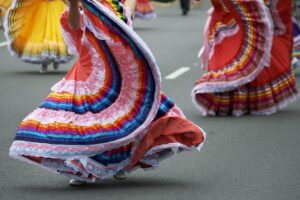
Amazigh dance is a captivating blend of grace, power, and emotion. From the energetic and rhythmic ahwach to the mesmerizing and spiritual lullabies, Amazigh dance is a reflection of the spirit and soul of the Amazigh people. The dance is often performed to the beat of the ghaita, a double-reed horn that produces a powerful and emotive sound, adding depth and complexity to the overall performance.
The Future of Amazigh Culture in Morocco: A Path to Inclusivity
The revitalization of Amazigh culture in Morocco is a crucial step towards creating a more inclusive and harmonious society. By recognizing and celebrating the Amazigh heritage, we create a space for all cultures to flourish and coexist. This cultural renaissance will not only enrich our collective heritage but also pave the way for a more inclusive and harmonious world.
As members of the Maghrebi diaspora, we have a unique opportunity to contribute to this cultural renaissance. By supporting Amazigh artists, learning Tamazight, and promoting Amazigh heritage, we help to ensure that the Amazigh culture continues to thrive and evolve, connecting us to our past, present, and future.
Join us in celebrating and preserving the Amazigh culture of Morocco. Together, we can forge a brighter future for our shared heritage and pave the way for a more inclusive and harmonious world, where our roots remain strong and vibrant for generations to come.
You might also enjoy
Related Articles
- The Amazigh People: Upholding Culture Amidst Challenges in North Africa
- Exploring Amazigh’s Role as the Guardian of Ancient Culture: A Connection to Our Roots for the Maghrebi Diaspora
- Morocco’s 2026 World Cup Kits: A Celebration of Amazigh and Arab Roots
- Embracing Our Roots: The Padres’ MENA Heritage Night – A Celebration for the Maghrebi Diaspora
- Exploring Amazigh Culture’s Challenges and Future Prospects in Morocco