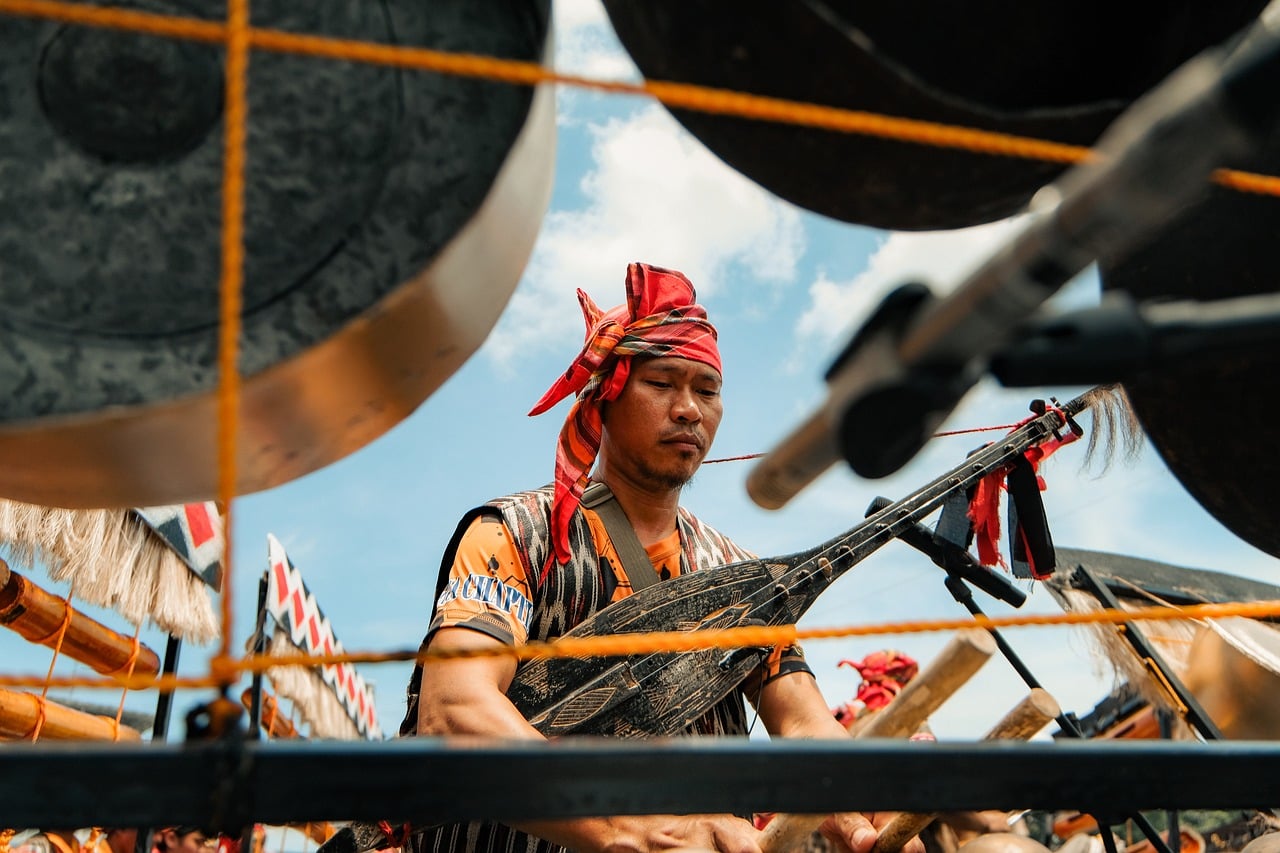
Revival of Amazigh Culture: A Look at the Current Renaissance
Introduction
The Maghrebi diaspora has witnessed a remarkable resurgence of Amazigh culture, a testament to the indomitable spirit of the Amazigh people. This cultural renaissance has its roots in the struggle for recognition and preservation of the Amazigh identity, which has been gaining momentum over the past few decades. As we delve into the revival of Amazigh culture, it becomes clear that this movement is not just a nostalgic longing for a bygone era, but a vibrant and dynamic expression of Amazigh heritage.
This article aims to explore the historical context, recent developments, and the role of the diaspora in this renaissance. We hope to shed light on the significance of this movement and inspire further engagement with our rich Amazigh heritage. By doing so, we can foster a deeper understanding and appreciation for the cultural diversity that defines our world.
The Historical Context: Berbers Before Colonization
Ancient Civilizations
Amazigh civilization predates the arrival of the Arab conquest in the 7th century. Archaeological evidence suggests that Berbers inhabited the Maghreb region as early as 10,000 BC. The Berbers established various ancient civilizations such as Numidia, Mauritania, and the Kingdom of Mauretania, which thrived from the 3rd century BC to the 5th century AD. These ancient civilizations were characterized by their own distinct languages, customs, and traditions, which laid the foundation for the Amazigh culture we know today.
The Berbers’ cultural and linguistic heritage has been shaped by their interactions with various empires and civilizations throughout history. From the Phoenicians to the Romans, the Berbers played a significant role in the Mediterranean world, leaving behind a rich cultural legacy that has been largely overlooked.
Berber Kingdoms and the Islamic Conquest
Following the Islamic conquest, Berbers continued to play a significant role in the region, forming numerous kingdoms and emirates throughout the Middle Ages. Notable among these were the Rustamid and Aghlabid dynasties, which established strong and influential Berber-led states in the Maghreb. The Berbers’ resistance to Arabization and Islamization led to a unique cultural synthesis, which blended Amazigh customs with Islamic influences.
The Berber kingdoms and emirates also played a crucial role in the development of Amazigh literature and poetry. The works of poets like Ibn Khafajah and Ibn Sahl reflect the cultural and linguistic heritage of the Berbers, as well as their struggles against the Arab and Islamic conquests.
Colonialism and the Suppression of Amazigh Culture
The colonization of North Africa by European powers in the 19th and early 20th centuries brought with it the suppression and marginalization of Amazigh culture. The Arabic language, Islam, and French or Spanish were imposed, while the Amazigh language and customs were actively discouraged and punished. This period of colonialism led to the erasure of Amazigh identity and the silencing of Amazigh voices.
The Struggle for Recognition: The Berber Spring and Beyond
The Berber Spring of 1980
The Berber Spring of 1980 marked a turning point in the fight for Amazigh rights. The movement was led by Berber intellectuals who demanded the recognition of Tamazight, the Amazigh language, and the inclusion of Berber history in the national curriculum. This call to action was met with resistance from governments and colonial powers, but it also galvanized the Amazigh community and sparked a movement that would continue to gain momentum over the decades.
The Berber Spring was not just a local phenomenon; it was a global call to action that resonated with Amazigh communities around the world. The diaspora played a crucial role in this movement, providing a platform for Amazigh voices to be heard and for Amazigh culture to be celebrated.
The Tamazight Movement and the Tamazight Constitution
The Tamazight movement continued to gain momentum in the following decades, leading to the inclusion of Tamazight as an official language in the Moroccan constitution in 2011. This was a landmark achievement for the Amazigh people, symbolizing the recognition of their cultural identity and heritage. The Tamazight movement has also led to the establishment of Amazigh-language media, education, and cultural institutions, which have helped to promote the Amazigh language and culture.
The Role of the Diaspora in the Revival of Amazigh Culture
The Maghrebi diaspora has played a crucial role in the revival of Amazigh culture. Diaspora organizations have been instrumental in promoting Tamazight education, organizing cultural events, and advocating for Amazigh rights both locally and internationally. The diaspora has also provided a platform for Amazigh artists, writers, and musicians to showcase their work and share their culture with the world.
The Renaissance of Amazigh Arts and Literature
Literature and Poetry
Amazigh literature has experienced a revival in recent years, with many new works being published in Tamazight. The works explore various themes, from historical accounts and folktales to contemporary issues facing the Amazigh community. This literary renaissance has been characterized by the emergence of new voices, styles, and genres, which reflect the diversity and creativity of Amazigh culture.
The Amazigh literary renaissance has also been marked by the rediscovery of forgotten works and the translation of classical texts into modern Amazigh languages. This has helped to preserve the cultural heritage of the Amazigh people and to promote a sense of continuity with their past.
Music and Dance
Amazigh music and dance have also seen a resurgence, with traditional genres like Chaabi and Rai gaining popularity both within the Maghreb and among the diaspora. These genres often incorporate elements of Tamazight language and culture, reflecting the pride and identity of the Amazigh people. The revival of Amazigh music and dance has also led to the emergence of new styles and fusion genres, which blend Amazigh traditions with global influences.
The Amazigh music and dance renaissance has also been characterized by the emergence of new stars and the recognition of Amazigh cultural heritage by international audiences. This has helped to promote Amazigh culture and to create a sense of global Amazigh identity.
Visual Arts and Cinema
Amazigh visual arts and cinema have also flourished, with artists like Hassan Hajjaj and Nabil Ayouch bringing Amazigh themes and imagery to the forefront of the art world. The Amazigh visual arts and cinema renaissance has been marked by the emergence of new voices and styles, which reflect the creativity and diversity of Amazigh culture.
The Amazigh visual arts and cinema renaissance has also been characterized by the rediscovery of forgotten works and the recognition of Amazigh cultural heritage by international audiences. This has helped to promote Amazigh culture and to create a sense of global Amazigh identity.
The Future of Amazigh Culture: Challenges and Opportunities
Challenges
Despite the progress made in the revival of Amazigh culture, numerous challenges remain. These include the lack of official Tamazight education, discrimination against Amazigh speakers, and the marginalization of Amazigh communities in political and economic decision-making processes. These challenges must be addressed if the Amazigh cultural renaissance is to continue to thrive.
The Amazigh community must also continue to work towards greater unity and cooperation. This can be achieved through the establishment of Amazigh-language media and education, as well as the creation of Amazigh cultural institutions and organizations.
Opportunities
The revival of Amazigh culture also presents numerous opportunities for the Maghreb and its diaspora. By embracing and promoting Amazigh culture, we can foster a more inclusive and diverse society, one that celebrates the rich heritage and contributions of all its people.
The Amazigh cultural renaissance can also provide a platform for intercultural dialogue and exchange. By sharing their culture and heritage with the world, the Amazigh people can help to promote greater understanding and appreciation for the diversity of human experience.
A Call to Action
The revival of Amazigh culture is a movement that affects us all, regardless of our ethnic or linguistic background. We invite the Maghrebi diaspora to engage with this cultural renaissance, to learn about and celebrate our Amazigh heritage, and to work towards a more inclusive and diverse society. Together, we can ensure that the Amazigh voice is heard and that the Amazigh culture continues to thrive.
We believe that the revival of Amazigh culture is not just a matter of cultural preservation, but a vital part of our shared human heritage. By embracing and celebrating our differences, we can build a more inclusive and diverse society that values the contributions of all its people.
You might also enjoy
Related Articles
- Flying to the Middle East and North Africa with Miles: A Comprehensive Guide for the Maghrebi Diaspora
- A Deep Dive into the Integration of Judeo-Amazigh Culture in North Africa
- Maximizing Travel to the Middle East and North Africa with Air Miles: A Guide for the Maghrebi Diaspora
- Exploring the Future Prospects and Challenges of Amazigh Culture in Morocco: A Call to Action for the Maghrebi Diaspora
- A Taste of Home: Authentic North African Chickpea Soup Recipe for Maghrebi Diaspora